
A new API client, Bruno, is making waves for its stark departure from conventional methods. Its core appeal lies in storing API collections as plain text files, deeply integrating with version control systems like Git. This approach allows users to manage their API interactions directly within their existing Git repositories, a move touted to streamline development and reduce security complexities associated with proprietary formats.

Bruno positions itself as a direct alternative to established tools such as Postman and Insomnia. Key differentiators highlighted include:

Git-Friendly Architecture: API collections are stored as human-readable, plain text files (
.brufiles), facilitating straightforward version control.Local-First Operation: All API collection data resides on the user's machine, eliminating the need for cloud synchronization or account creation.
Open-Source Nature: The software is freely available and aims to foster community contributions.
The tool's underlying data format, referred to as "Bru Lang," allows for the definition of requests, variables, and crucially, tests and assertions. These capabilities are demonstrated in guides and tutorials that showcase Bruno's utility for tasks ranging from basic request sending to scripting with pre/post request hooks and managing sensitive information. The structured learning path offered by resources like the "bruno-starter-guide" aims to onboard beginners through progressive challenges, covering aspects such as environment variables, authentication, and collection runners.
Read More: Chrome mimeHandler API lets extensions handle file types
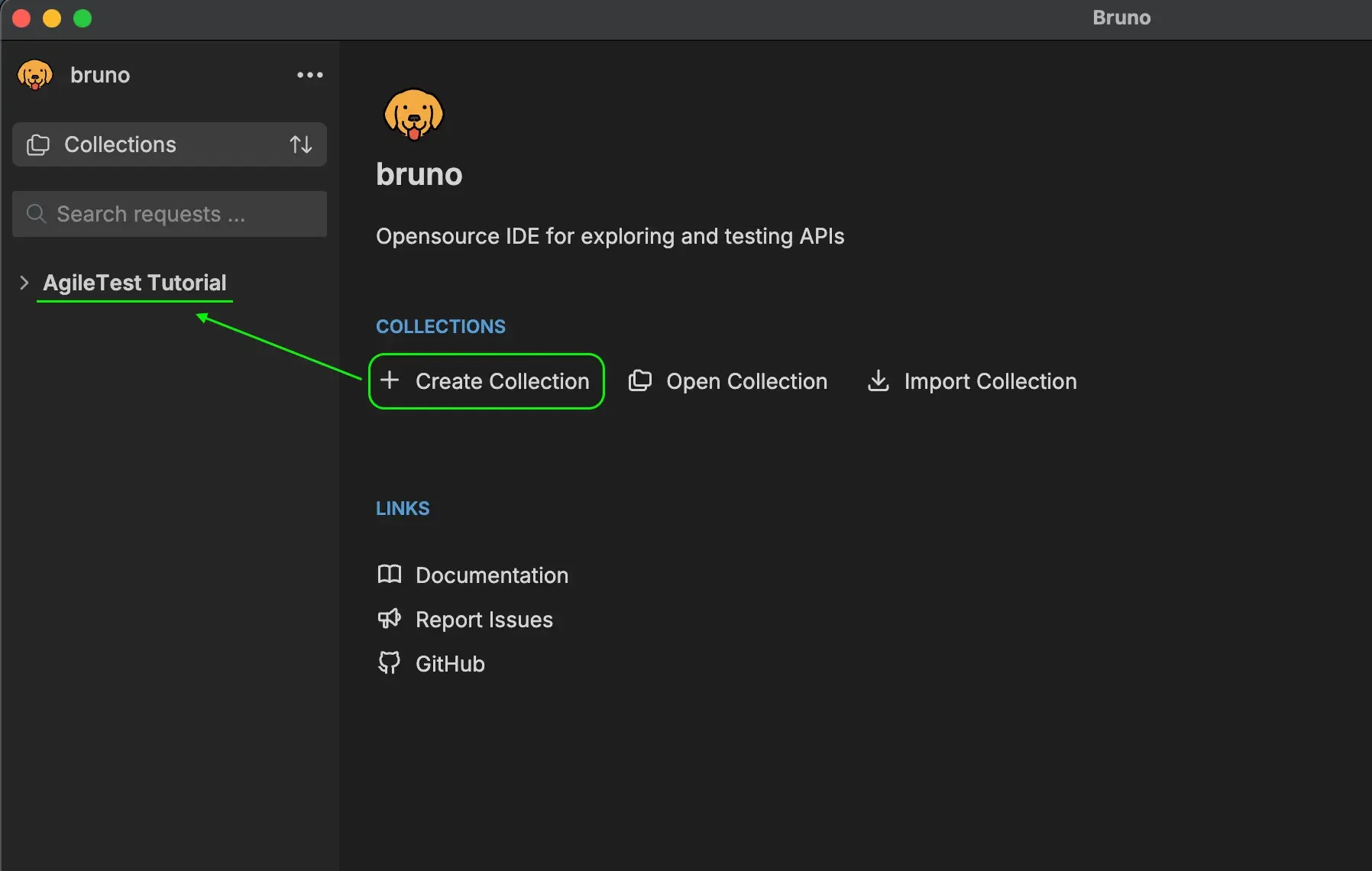
INTEGRATION AND ADOPTION
Sources indicate Bruno is being explored or adopted by various entities, including the 'DHL API Developer Portal' and is discussed in the context of API testing tutorials for beginners. The platform supports importing existing collections from tools like Postman, signaling an effort to ease user transition. While Bruno emphasizes its plain-text, Git-native approach, some sources acknowledge its current limitations in areas such as API load testing and advanced debugging features compared to more mature offerings.
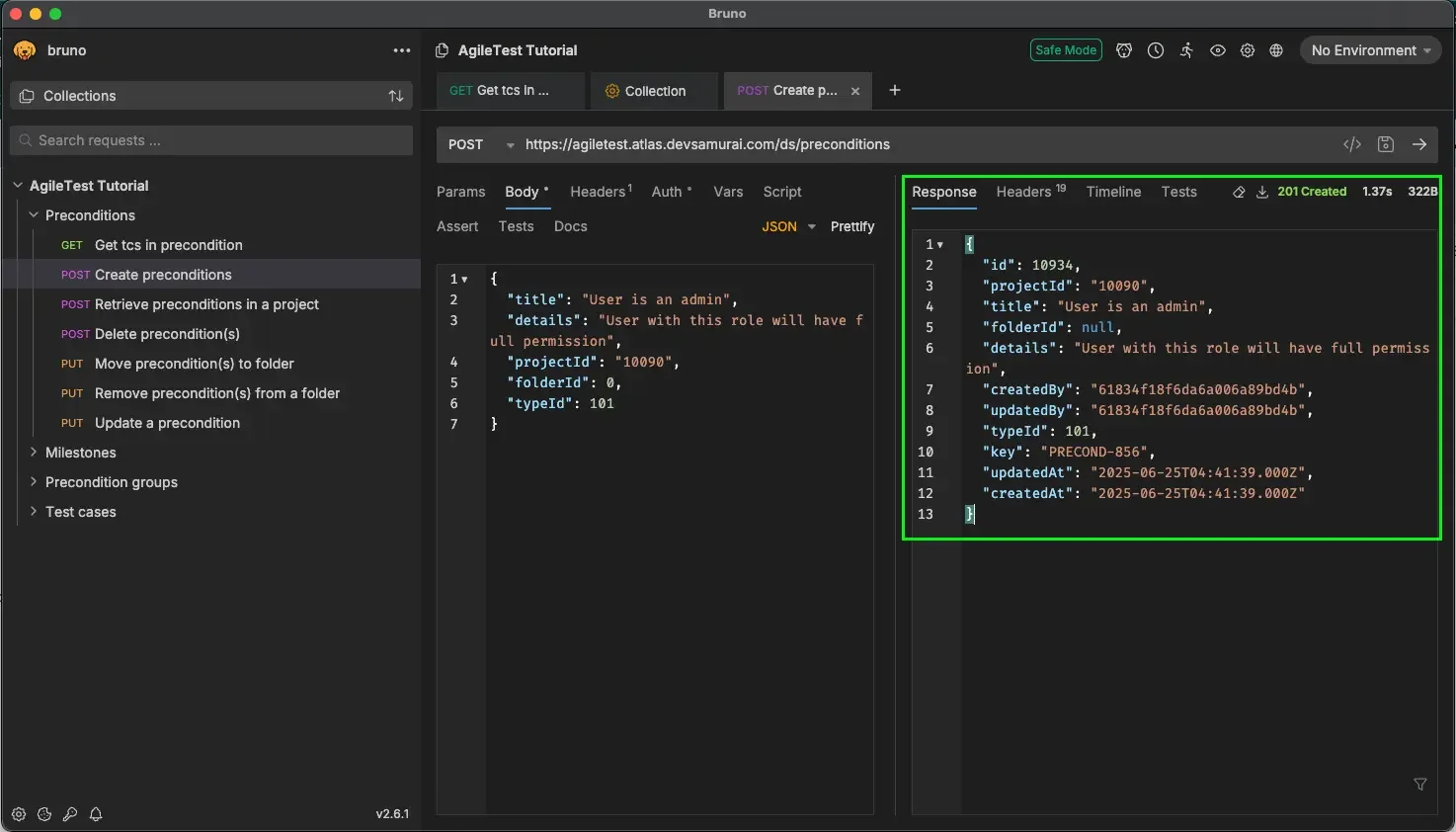
BACKGROUND AND EVOLUTION
The emergence of Bruno coincides with a broader industry trend of exploring decentralized and developer-centric tooling. Unlike tools that often necessitate account creation and store data in proprietary formats, Bruno's philosophy appears rooted in empowering developers with direct control over their workflow and data. The rapid development of its feature set, as evidenced by the availability of guides covering advanced topics like scripting and CLI execution, suggests a project actively seeking to capture a segment of the API client market.
Read More: Why Manual Prompt Editing Is Better For AI Apps In April 2026