


Shifting Focus from Siloed Campaigns to Continuous Customer Engagement
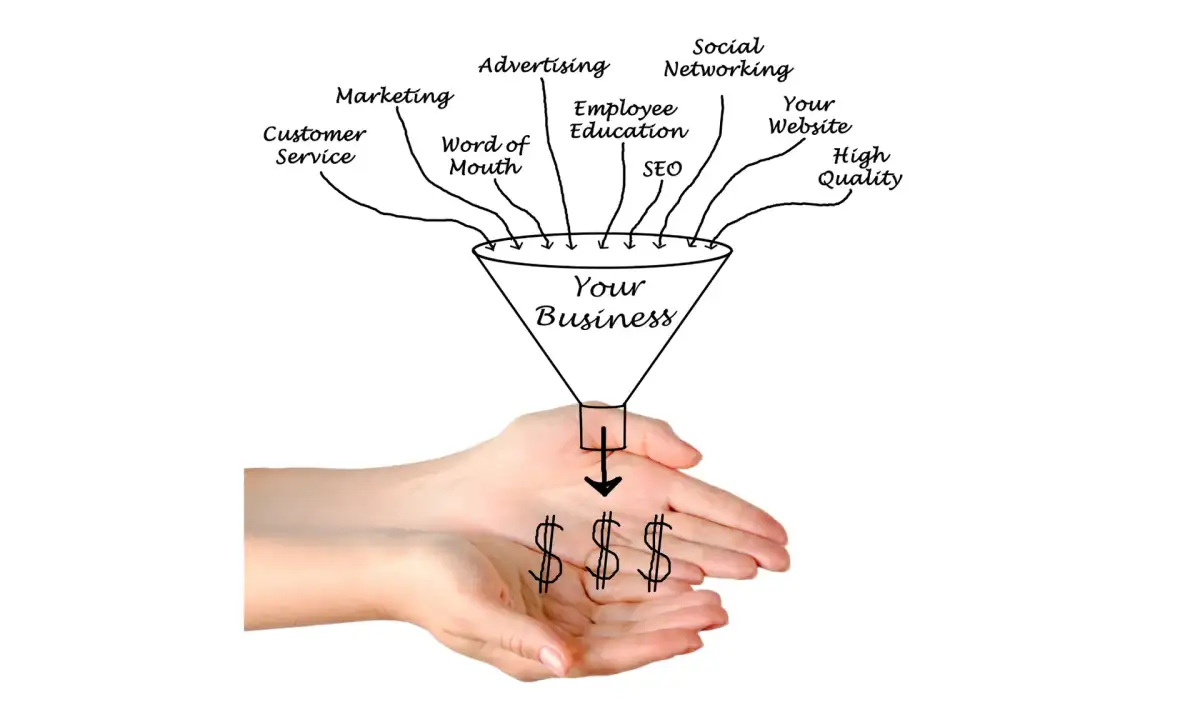
Recent industry discourse, particularly around the Digital Marketing World Forum and numerous marketing publications, underscores a significant, and perhaps overdue, pivot in brand strategy. The concept of a "full-funnel marketing strategy" is no longer a mere campaign tactic but a fundamental reorientation of how businesses must operate. This approach demands a cohesive understanding and orchestration of the entire customer journey, from initial awareness to final conversion and beyond. The push is away from isolated efforts and towards an integrated system where each touchpoint is understood in its contribution to the whole.

Key to this shift is the acknowledgement that customers themselves do not segment their experiences. A brand might be encountered on social media, researched via search engines, and ultimately converted through email. The emphasis is now on leveraging first-party data – information derived from direct interactions and observed behaviours – to move beyond guesswork and inform strategy. This granular insight into customer journeys, their drop-off points, and initial attractors is presented as crucial for effective resource allocation and maximizing return on investment.
Read More: What does 'Pro' mean on products and services today?
Beyond Brand vs. Performance: A Unified Discipline
The long-standing dichotomy between "brand marketing" and "performance marketing" is being dismantled. A core assertion gaining traction is that "all marketing is performance marketing," a notion that necessitates understanding how top-of-funnel activities, often associated with brand building, directly impact bottom-funnel conversions. This perspective allows for a more nuanced optimization of marketing spend across the entire customer lifecycle, with the potential to reinvest savings for incremental gains.

This integrated approach requires a fundamental re-evaluation of creative assets and messaging. Employing distinct yet aligned creative strategies for each stage of the customer journey is highlighted as essential, rather than a one-size-fits-all approach. The implication is that generic or consistent creative across all touchpoints can be a significant misstep in a full-funnel strategy.

Collaboration and Data as Cornerstones
Implementing a successful full-funnel strategy is not an isolated marketing department initiative. It necessitates close collaboration among diverse stakeholders, including brand managers, performance marketing leads, analytics teams, and finance departments. This cross-functional alignment is presented as vital for a holistic understanding of campaign impact and for accurate performance measurement.
Read More: FIFA World Cup 2026 Revenue Reaches $15 Billion With New Ticket Prices
The growing importance of first-party data, particularly in an era of evolving privacy regulations, is a recurring theme. Brands that effectively capture and utilize data from direct customer interactions are better positioned to understand audience behaviour, tailor messaging, and ultimately drive business growth.
Background
The notion of a marketing funnel, broadly categorized into top (awareness), middle (consideration), and bottom (conversion) stages, has been a foundational concept in marketing for years. However, the recent emphasis on a "full-funnel" strategy suggests a more sophisticated understanding of this journey. Publications from entities like McKinsey, dating back to early 2021, have identified the need for such integrated approaches, highlighting that less than a fifth of top marketing executives reported a strong grasp of how their brand-building campaigns performed. The continued discourse and the scheduling of global events like the Digital Marketing World Forum, which convenes thousands of marketing leaders, indicate that this strategic imperative remains a dominant concern within the industry. The drive towards "full-funnel" approaches is framed as a significant shift in marketing operations, rather than a temporary campaign focus.
Read More: Puffery Claims Boost Demand Even With Lots of Info


