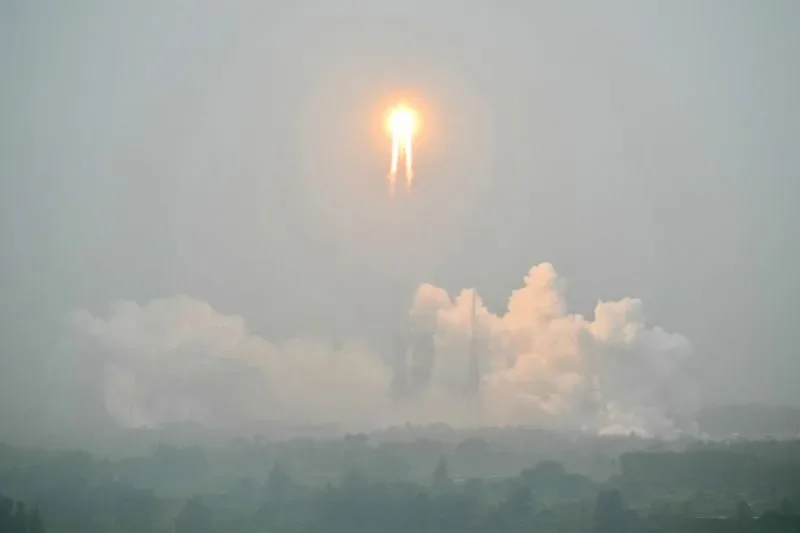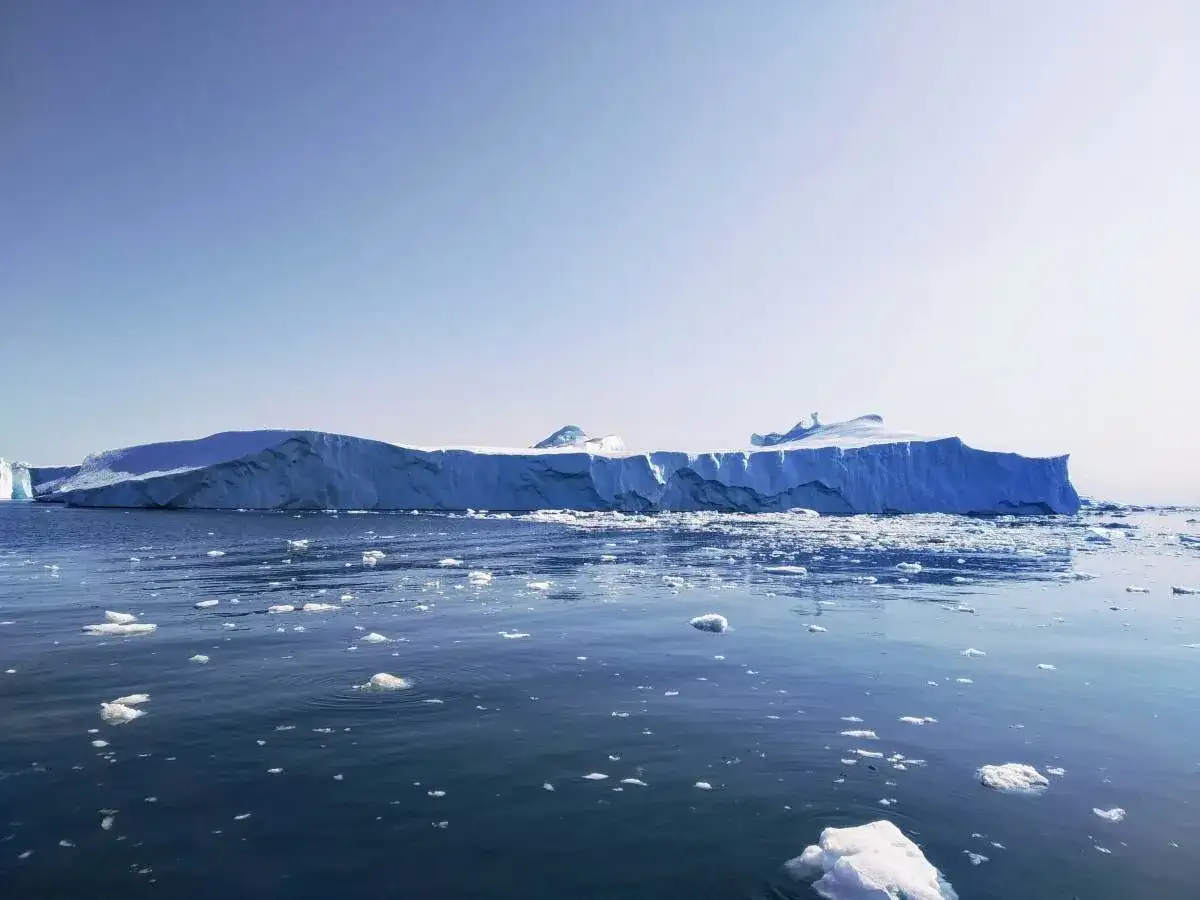
Recent scientific findings suggest the Greenland Ice Sheet exhibits complex and previously unobserved behaviors deep within its structure. Investigations into these phenomena, including unusual water flows and seismic activity, are reshaping our understanding of how the ice sheet functions and its potential impact on global sea levels.
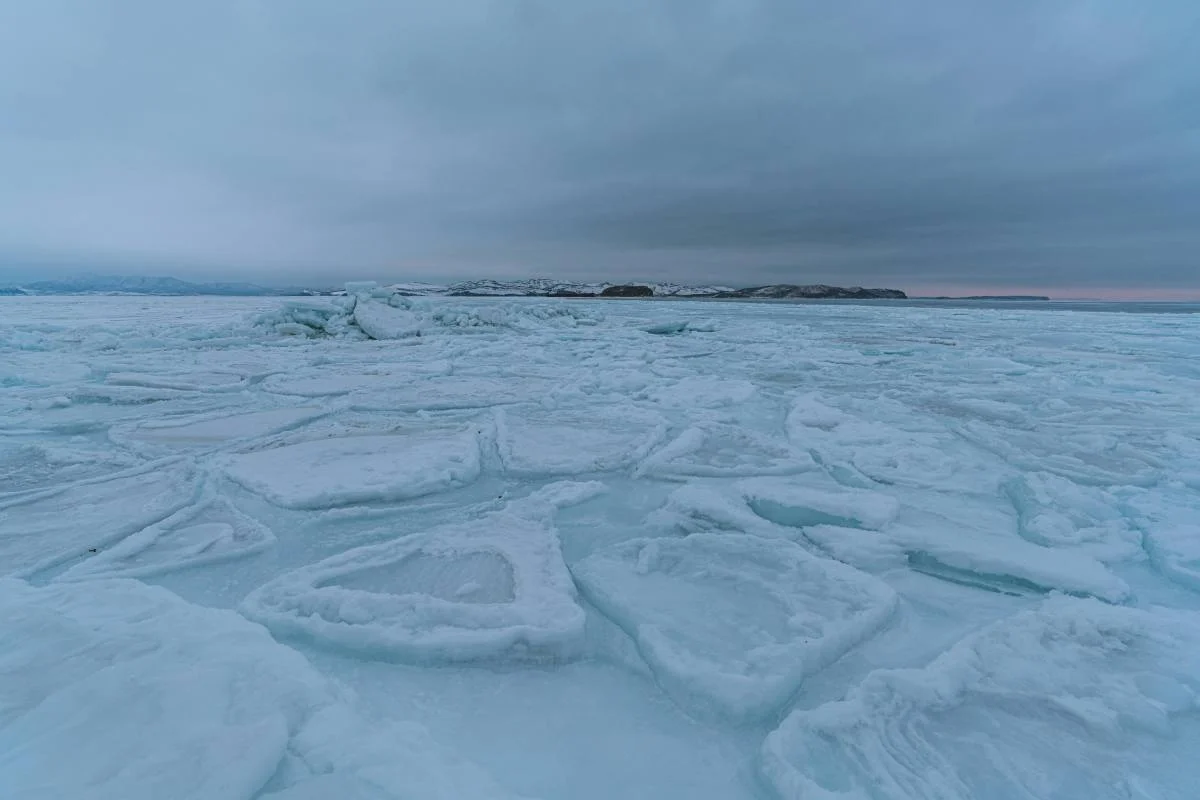
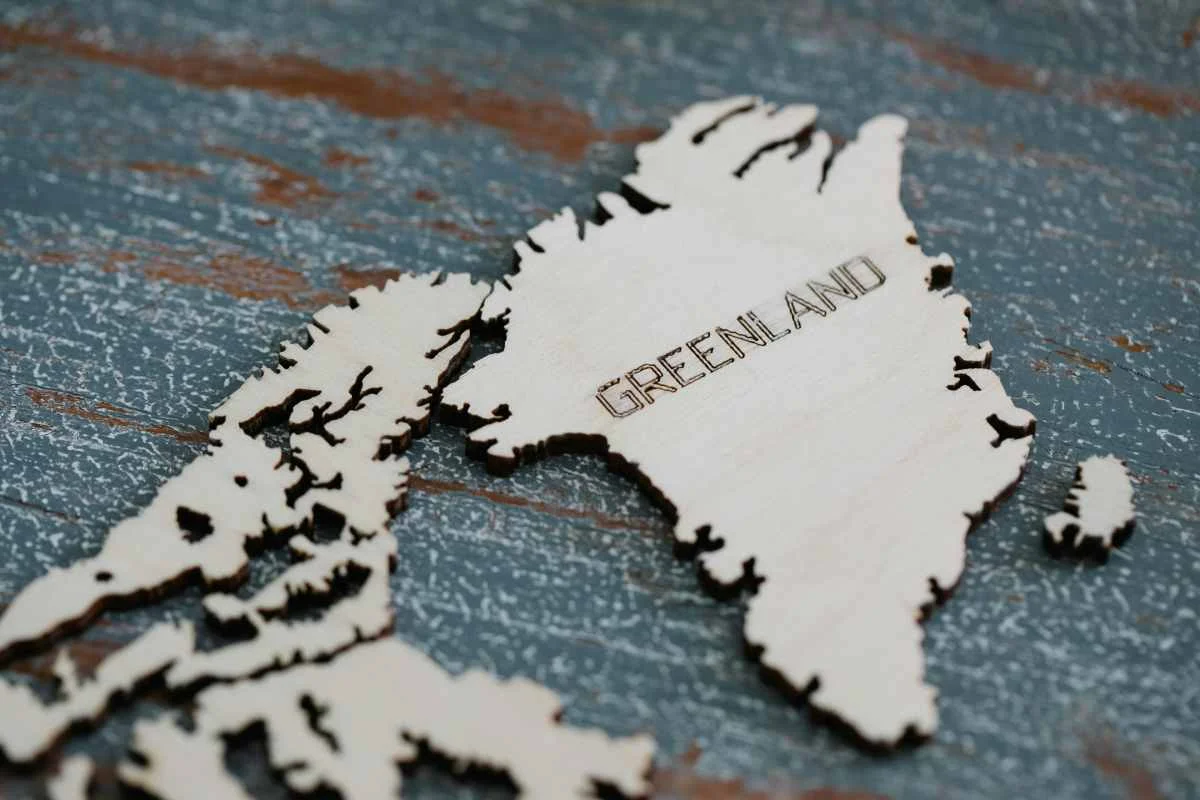
The Greenland Ice Sheet, a vast expanse of ice covering over 80% of the island, has long been a subject of scientific scrutiny due to its significant contribution to rising sea levels. While surface melt and glacial outflow have been extensively studied, new research points to dynamic processes occurring much deeper within the ice. These discoveries raise questions about the accuracy of current models used to predict future ice sheet behavior.
Key events and discoveries include:
Identification of swirling, plume-like structures within the deep ice.
Observation of "ice quakes" within ice streams, indicating jerky movement.
Evidence of rapid drainage from subglacial lakes, causing upward water eruption.
Discovery of ancient organic material beneath the ice, suggesting past melting.
Deep Ice Structures and Internal Movements
Scientists have observed plume-like structures deep inside Greenland's ice sheet, suggesting that the ice may be softer than previously assumed. This softness does not automatically equate to faster melting but highlights the sheet's intricate internal dynamics. The conditions that foster these structures are a focus of ongoing research, aiming to understand how they influence the ice sheet's overall stability.
Read More: India Plastic Rules Give Companies More Time to Recycle Amid Safety Rules
The presence of these deep structures does not necessarily predict accelerated melting.
Their discovery underscores the complexity and dynamism of the Greenland Ice Sheet.
"Ice Quakes" Reveal Non-Uniform Flow
The recording of "ice quakes" within Greenland's ice streams, particularly the Northeast Greenland Ice Stream, has provided new insights into how these massive rivers of ice move. These seismic events, similar in nature to earthquakes, occur when ice fractures and segments grind against each other. The quakes suggest that ice streams do not always flow smoothly but can shift between jerky movements and more fluid, honey-like motion.

Ice streams are critical because they transfer significant amounts of ice from glaciers to the ocean, contributing to sea level rise.
The impurities within the ice, such as sulphates and other particles, are hypothesized to be a source of instability leading to small cracks and subsequent quakes.
Subglacial Lake Drainage Events
One striking event involved the rapid drainage of a subglacial lake in 2014, releasing an estimated 24 billion gallons of water. This process was marked by water erupting upward through the ice sheet, creating a large crater on the surface. Such dramatic events, involving fracturing and upward water flow, are not currently accounted for in most computer simulations predicting the ice sheet's future behavior under global warming scenarios.
Read More: Why is the Moon's far side colder and different from the near side?
Submerged lakes form when surface meltwater finds pathways to seep deep into the ice cap, reaching the bedrock.
The "mitten-shaped structure" observed was a direct result of one such rapid drainage event.
The significance of these events lies in their potential to destabilize ice sheets in ways not fully captured by current models.
Ancient Evidence of Past Melting
Further evidence of the ice sheet's dynamic past comes from the discovery of ancient plant and insect fragments deep beneath the ice. These findings indicate that the center of the Greenland Ice Sheet has melted in the relatively recent geological past, transforming the island into a tundra landscape. This challenges the long-held view of Greenland as a perpetually frozen mass and suggests it may be more susceptible to climate change than previously thought.
Twigs, seeds, and insect parts found at the bottom of ice cores suggest melting occurred within the last 416,000 years.
This historical melting, predating human-induced climate change, implies a natural vulnerability.
The implication is that human-induced warming could accelerate further melting and impact sea levels.
Expert Analysis
Dr. Michael Willis, a glaciologist at Cornell University and lead author of a relevant study, described the discovery of unusual ice features as a "serendipitous" scientific surprise. Kelly Brunt, a glaciologist at NASA’s Cryospheric Sciences Laboratory, has characterized the rapid drainage of a subglacial lake as the "first recorded instance" of such an event in Greenland. These observations highlight the unpredictable nature of the ice sheet.
Read More: Musi River Cleanup: Telangana Govt Plans Temples Before Cleaning Polluted Waterway
Conclusion and Implications
The emerging picture of the Greenland Ice Sheet is one of intricate internal processes and past vulnerability. The observed plume-like structures, ice quakes, and dramatic subglacial lake drainage events indicate a far more dynamic system than previously understood. Furthermore, the discovery of ancient organic matter beneath the ice suggests that the sheet has melted significantly in the past.
These findings have several key implications:
Model Refinement: Current models used to predict sea level rise may need significant revision to incorporate these deep ice dynamics and rapid water flow events.
Vulnerability Assessment: The evidence suggests Greenland's ice sheet may be more sensitive to warming temperatures than previously assessed, potentially leading to faster melt rates in the future.
Scientific Understanding: The research deepens our understanding of ice sheet mechanics, particularly concerning ice stream movement and subglacial water systems.
Further research is needed to fully understand the extent and implications of these newly identified processes within the Greenland Ice Sheet.
Sources Used:
https://www.uib.no/en/news/181529/ice-greenland-acting-strangely-scientists-believe-they-finally-know-why (Published 5 days ago - Primary source for deep ice structures)
https://www.greenmatters.com/pn/researchers-finally-solve-the-mystery-behind-the-ghostly-mitten-shaped-structure-on-greenland-ice (Published Mar 9, 2025 - Details on subglacial lake drainage and the "mitten" feature)
https://www.livescience.com/planet-earth/arctic/scientists-record-never-before-seen-ice-quakes-deep-inside-greenlands-frozen-rivers (Published Feb 12, 2025 - Focuses on "ice quakes" and ice stream movement)
https://www.smithsonianmag.com/smart-news/24-billion-gallons-of-water-burst-through-greenlands-ice-sheet-from-a-hidden-lake-in-2014-scientists-just-pieced-together-what-happened-180987085/ (Published Aug 1, 2025 - Details the 2014 subglacial lake drainage event and its implications for models)
https://www.science.org/content/article/hole-drilled-greenland-s-heart-reveals-ice-ready-slide-sea (Published Feb 6, 2025 - Provides context on ice streams and vulnerability)
https://www.cnet.com/science/scientists-stunned-by-fossils-found-deep-beneath-greenlands-ice-sheet/ (Published Mar 15, 2021 - Initial report on ancient fossils)
https://news.climate.columbia.edu/2024/08/06/ancient-plant-insect-bits-confirm-greenland-melted-in-recent-geologic-past/ (Published Aug 6, 2024 - Detailed findings on past melting from ice cores)