/pratidin/media/media_files/2026/02/17/assam-budget-interim-2026-27-presented-2026-02-17-16-57-11.webp)
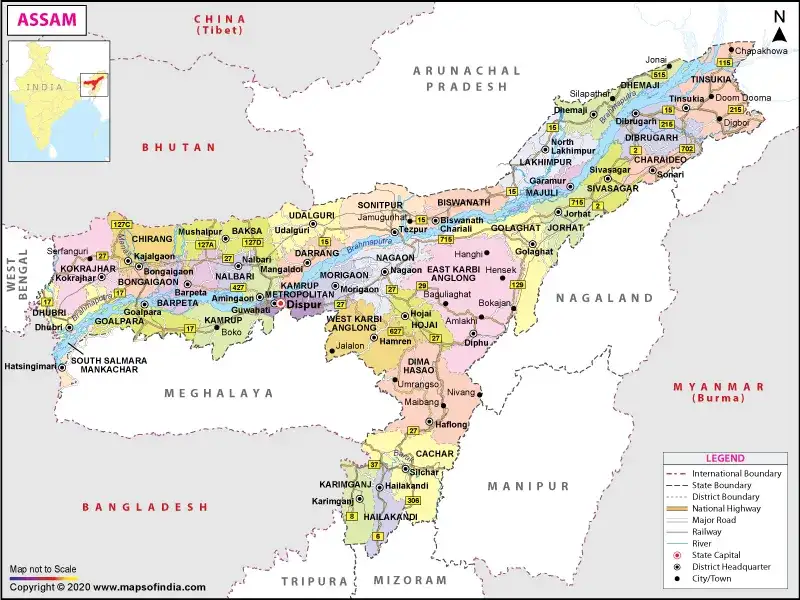
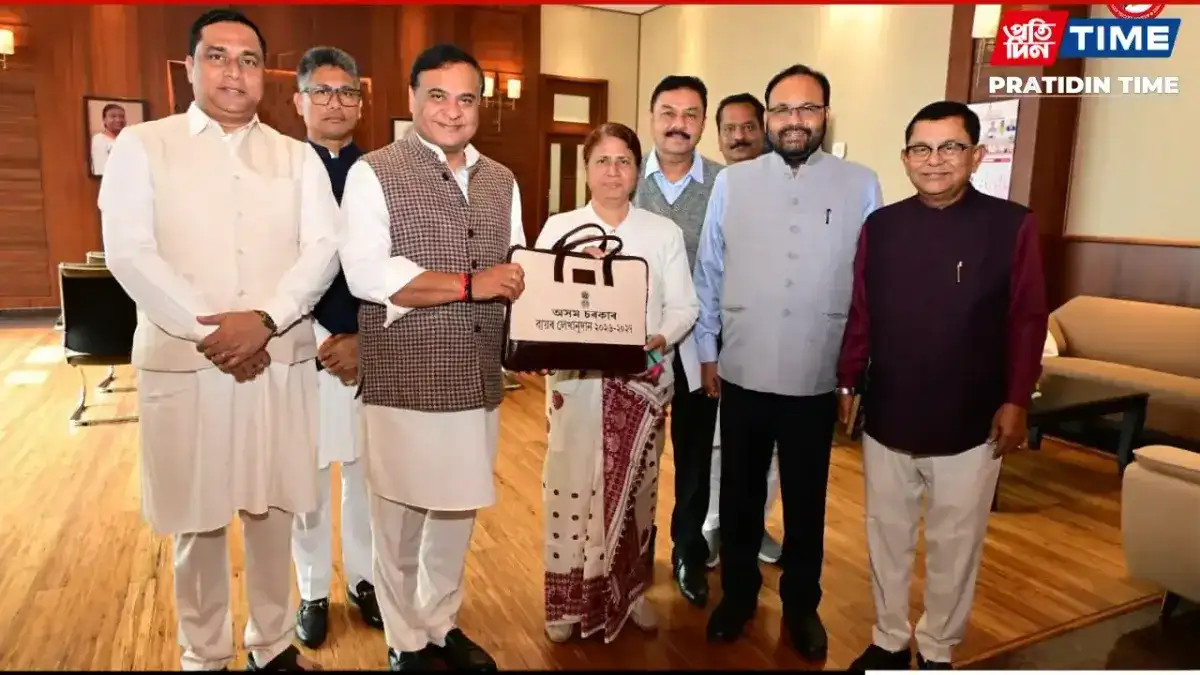
Assam's Finance Minister, Ajanta Neog, has presented an interim budget for the fiscal year 2026-27, totaling approximately Rs 62,295 crore. This financial statement, known as a "vote on account," is intended to allow the government to continue its normal operations during the initial months of the fiscal year, pending the presentation of a full budget by a newly elected government after the upcoming assembly polls. The presentation of this budget occurs shortly before the state's assembly elections, anticipated in March-April.
Budget Overview and Purpose
The interim budget, amounting to ₹62,294.78 crore, serves as a provisional financial plan. Its primary objectives are to ensure the continuity of government services, meet committed expenditures, and maintain financial stability during the pre-election period.

The budget seeks approval for demands for grants to cover the initial months of FY 2026-27.
It is designed to enable the government to continue normal services while awaiting a full budget.
Traditionally, interim budgets avoid major policy announcements or the introduction of new flagship schemes.
This approach prioritizes essential spending and the continuation of existing programmes.
Economic Indicators and Government Claims
During the presentation, Finance Minister Ajanta Neog highlighted several key economic achievements and projections:

Assam is described as the fastest-growing state in India, according to Reserve Bank of India (RBI) data.
The state's per capita income has reportedly more than doubled in five years, rising from ₹86,947 in 2020-21 to ₹1,85,429 in 2025-26, a stated increase of 113%.
Investment commitments worth ₹5.18 lakh crore have been secured through the "Advantage Assam" initiative.
A projected growth rate of 16.93% for 2026-27 was also mentioned.
Key Welfare and Development Schemes
The interim budget indicates a commitment to continue and, in some cases, enhance existing welfare and development initiatives:
Read More: Assam Cabinet Adds New Ministers, Excludes Party Switchers

Social Welfare Programs
'Mukhya Mantrir Nijut Moina Asoni': Approximately ₹260 crore is allocated for monthly financial assistance (₹1,000 to ₹2,500) to over 5.5 lakh girl students.
'Orunodoi' Scheme: The government plans to continue enhanced assistance for beneficiaries, integrating it with other major welfare programs like the National Food Security Act (NFSA) and Pradhan Mantri Awas Yojana (PMAY).
'Lakhpati Baideo' Scheme: The second phase will provide financial assistance of ₹25,000 to women beneficiaries.
'Nijut Moina' and 'Nijut Babu' Schemes: These schemes will offer monthly financial aid to students, with additional support for postgraduate studies.
'Orunodoi' Scheme (Expanded): Reports also indicate the 'Orunodoi' scheme now covers 40 lakh families.
Health and Education
Ayushman Assam: This health coverage scheme has reportedly benefited 7.17 lakh individuals.
Medical Colleges: The number of medical colleges in Assam has reportedly doubled from seven to 14, aiming to expand medical education and health infrastructure.
Education Infrastructure: New universities and model schools are planned in tea garden areas.
Infrastructure Development
Assam Mala 4.0: This initiative aims to expand connectivity.
Bridges: Eight bridges over the Brahmaputra River are operational, with construction underway on four more.
Land Rights: Permanent land rights are to be granted to tea garden workers.
Financial Aspects
The budget outlines specific financial figures and allocations:
Total interim budget outlay: ₹62,294.78 crore (or approximately ₹62,295 crore).
Vote on account sought: ₹62,29,478.30 lakh.
State's share under the 16th Finance Commission: Increased to 3.258 percent.
Expert Analysis
Interim Budget Function: An interim budget acts as a stop-gap measure, providing necessary funds for government operations when a full budget cannot be presented due to impending elections or a change in government. It is a transitional fiscal exercise.
Election Period Significance: Presenting an interim budget in the run-up to elections is a common practice to ensure administrative continuity and prevent disruption of essential services and ongoing development projects. It allows the outgoing government to manage state finances until a new government is formed and can present a comprehensive budget.
Conclusion
The presentation of Assam's interim budget for 2026-27 underscores the government's intention to maintain operational continuity and support ongoing welfare and development initiatives during the election period. The budget's focus remains on meeting committed expenditures and ensuring the smooth functioning of the administration until a full budget can be tabled. Key government claims highlight significant economic growth and improvements in per capita income, alongside continued investment in social welfare, health, education, and infrastructure.
Sources: