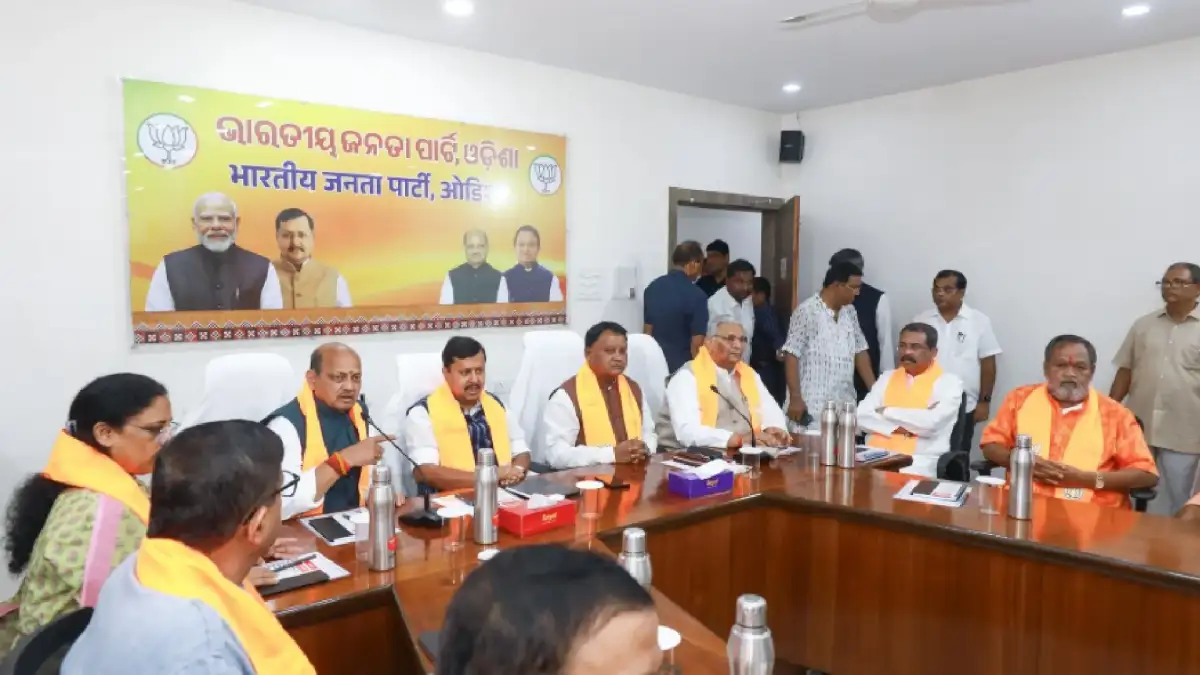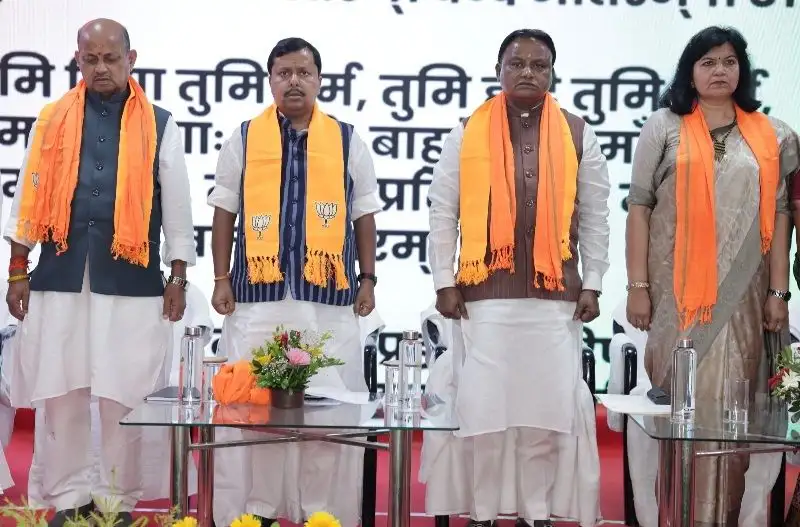
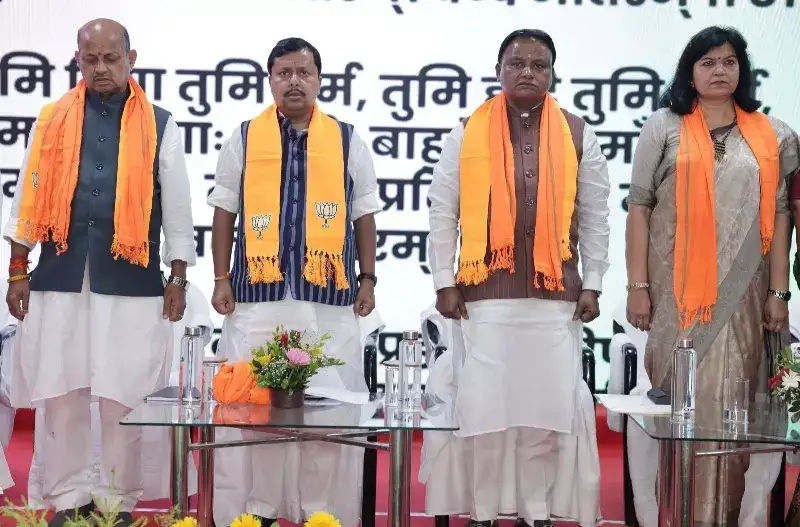
On May 18, 2026, Bharatiya Janata Party (BJP) national president Nitin Nabin convened a closed-door meeting of the Odisha state core committee at the party’s Bhubaneswar headquarters. The assembly served as a central pivot for organizing internal machinery following the party's 2024 ascension to power, which concluded a 24-year tenure of the Biju Janata Dal.
The primary objective of the session was to formalize electoral strategy for the 2027 rural local body polls, with additional discussions covering the prospective expansion of the Odisha Council of Ministers and the distribution of leadership roles within state boards and corporations.

| Key Agenda Item | Strategic Intent |
|---|---|
| Panchayat/Rural Polls | Consolidate grassroots dominance |
| Cabinet Expansion | Optimize governance and internal cohesion |
| Institutional Appointments | Secure structural alignment across boards |
Organizational Directives
During the day-long session, leadership emphasized a shift toward localized planning. Nabin, on his inaugural visit to the state as national president, underscored the necessity of maintaining the party’s distinct ideological identity while navigating the demands of state administration.
Read More: Taiwan Holds Nantou County Drills to Prepare for State Collapse

Internal Alignment: Discussions included mechanisms for balancing governance with party ideology to ensure a seamless bridge between administrative policy and voter expectations.
Capacity Building: The visit encompassed training modules and interactive sessions designed to reinforce the organizational structure ahead of impending municipal and rural elections.
Operational Scope: Senior figures including Chief Minister Mohan Charan Majhi, Deputy CMs K.V. Singh Deo and Pravati Parida, and Union Minister Dharmendra Pradhan participated, indicating a unified high-level approach to state-wide outreach.
Contextual Significance
The visit, which included traditional observations at the Lord Jagannath Temple in Puri, functions as an attempt to harmonize the party's federal mandate with its regional footprint. Observers suggest that the upcoming rural elections will act as a structural barometer for the current administration’s 'people-centric' claims. By addressing the cabinet composition and board appointments, the leadership is actively working to minimize friction within its state ranks while preparing for what is viewed as a "litmus test" for the government’s post-victory stability.