A recent resurfacing of a comedian's explanation has brought attention to a tax strategy used by some of the wealthiest individuals. This strategy, described as 'buy, borrow, die,' allows billionaires to accrue wealth and pass it to heirs while reportedly paying little to no income tax. The core of this approach involves using assets, particularly stocks, as collateral for loans, thereby accessing funds without selling the assets and triggering taxable gains. This method raises questions about tax fairness and the economic system.
buy, borrow, dieis a strategy that allows billionaires to avoid income tax.The strategy involves using assets as collateral for loans.
This allows them to access funds without selling assets and triggering taxable gains.
How the 'Buy, Borrow, Die' Strategy Works
The 'buy, borrow, die' strategy appears to be a multi-step process that leverages the appreciation of assets, primarily stocks, to provide liquidity without incurring immediate tax liabilities.
Read More: Schroders Family Stake Sale Rumors: Reports Differ

Holding Appreciating Assets: Billionaires often hold significant wealth in assets like stocks. As these assets increase in value, their net worth grows, but as long as they are not sold, this growth is not considered taxable income.
Borrowing Against Assets: Instead of selling assets to access cash for purchases or investments, individuals can take out loans using these assets as collateral. Because loans are not income, the borrowed money is generally not subject to income tax. This allows for the funding of substantial expenses, such as property or other investments.
Stepped-Up Basis for Heirs: Upon the death of the individual, their heirs inherit the assets. The tax law often allows for a "stepped-up basis," meaning the cost basis of the inherited assets is reset to their market value at the time of inheritance. This effectively erases any capital gains tax liability on the appreciation that occurred during the original owner's lifetime.
Read More: India Says US Factsheet Changes Match Trade Deal Understanding
"Instead, they borrow money against those stocks," Trevor Noah explained in a segment of The Daily Show, as reported by IBTimes. "That borrowed cash covers anything from mansions to private islands without tax implications."
Accessing Wealth Without Selling
A key aspect of this strategy is enabling billionaires to maintain a high net worth while minimizing their taxable income.

Liquidity Without Taxable Events: The challenge for the very wealthy is often how to fund their lifestyle or make large purchases without selling assets that would create taxable capital gains.
Loans as an Alternative: Borrowing against appreciated assets provides a way to obtain funds without selling. The interest paid on these loans may also offer tax deductions.
Avoiding Capital Gains: By avoiding the sale of assets, the unrealized gains remain untaxed.
Data4Democracy highlights this by stating, "As long as billionaires refrain from selling their assets, their net worth can increase substantially while their taxable income remains minimal."
The Role of Elon Musk and Tesla Stock
The acquisition of Twitter by Elon Musk has been frequently cited as an example illustrating the 'buy, borrow, die' strategy in action.
Read More: Retirees Need Cars But Worry About Money

Leveraging Stock for Acquisition: Reports suggest that Musk used his Tesla stock to secure loans for the purchase of Twitter.
Questioning Taxable Events: Trevor Noah's commentary, as noted by Scoop.upworthy.com, questioned why the growth in stock value, which allowed for these loans, was not subject to taxation in the same way as earned income.
Asset Volatility Argument: Wealthy individuals sometimes argue against taxing unrealized gains on stock holdings due to the inherent volatility and potential for market crashes.
Scoop.upworthy.com quotes the argument: "He pointed out that billionaires hoard most of their wealth in shares and have argued that they shouldn't be taxed on shareholdings as share prices are volatile and could potentially crash."
The 'Stepped-Up Basis' Provision
The 'die' component of the 'buy, borrow, die' strategy refers to the inheritance of assets by heirs and the significant tax advantage this provides.
Read More: ICE Agents Arrested After Claims of Bad Behavior and Crime
Inheritance at Market Value: When heirs receive assets, the cost basis is often reset to the market value at the time of inheritance.
Erasing Unrealized Gains: This "stepped-up basis" effectively cancels out any capital gains tax that would have been due if the heirs had sold the assets immediately after inheritance, based on the original purchase price.
Preserving Wealth for Heirs: This provision allows families to pass on substantial wealth across generations with minimal immediate tax impact on the inherited assets.
Data4Democracy explains: "Heirs inherit assets at a 'stepped-up basis'—reset to current market value, wiping out unrealised gains forever."
Expert Analysis and Broader Implications
The strategy has drawn commentary from various sources, raising discussions about fairness and the structure of the tax system.
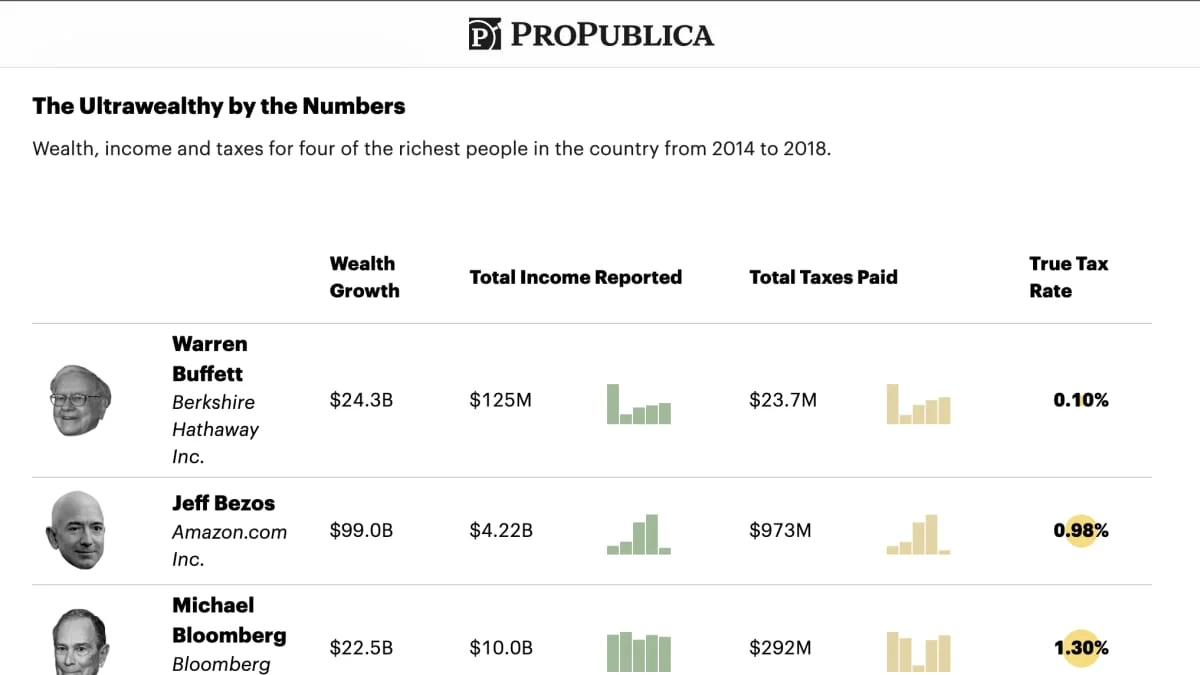
ProPublica's reporting on IRS files indicates that "George Soros paid no federal income tax three years in a row," suggesting that the ability to avoid income tax is tied to how wealth is structured. The implication is that if income can be avoided, taxes can be avoided.
Read More: India's Market Rules Made Simpler to Help Businesses and Investors
The structure of the tax code and the methods employed by the ultra-wealthy are subjects of ongoing debate. The 'buy, borrow, die' strategy, as described, appears to exploit loopholes and provisions within the existing tax framework to minimize tax burdens.
Conclusion
The 'buy, borrow, die' strategy, as brought to public attention by Trevor Noah, illustrates a method by which some billionaires may legally reduce their income tax obligations. This approach centers on leveraging appreciating assets for loans rather than selling them, thereby deferring or eliminating capital gains taxes. The 'stepped-up basis' provision upon death further allows for the transfer of wealth to heirs with significant tax advantages. While these methods are reportedly within the bounds of current tax law, they highlight complex questions about wealth distribution, tax equity, and the overall economic system.
Sources
IBTImes: Discusses Trevor Noah's viral explanation of the 'buy, borrow, die' strategy, focusing on how billionaires use loans against assets for tax-free cash flow.🔗 https://www.ibtimes.co.uk/trevor-noahs-viral-explanation-why-billionaires-pay-no-income-tax-buy-borrow-die-exposed-1778072
Data4Democracy (Substack): Explains how billionaires can legally avoid taxes by not selling assets, using loans, and passing them on with a stepped-up basis.🔗 https://data4democracy.substack.com/p/buy-borrow-die-how-billionaires-legally
Scoop.upworthy.com: Features Trevor Noah explaining how the system helps the super-rich avoid taxes, using Elon Musk's Twitter purchase as an example of leveraging Tesla stock.🔗 https://scoop.upworthy.com/trevor-noah-explains-how-the-system-helps-the-rich-avoid-taxes-and-takes-the-public-for-fools
ProPublica: Reports on IRS data revealing how wealthy individuals, citing George Soros, have paid little to no income tax, connecting it to tax avoidance strategies.🔗 https://www.propublica.org/article/the-secret-irs-files-trove-of-never-before-seen-records-reveal-how-the-wealthiest-avoid-income-tax
Life Moves Wealth Management: Podcast episode discussing myths about billionaires, taxes, and wealth strategies. The website mentions cookie usage and privacy policy.🔗 https://lifemoveswealth.com/podcast/ep-72-breaking-the-myths-about-billionaires-taxes-and-wealth-strategies/
Read More: New Law Stops Government Payments to People Who Have Died