Sporting Director's Departure Casts Shadow Over Home Tournament
The United States Soccer Federation is in disarray following the abrupt departure of Matt Crocker, the sporting director widely credited as the "architect" of the national team's World Cup strategy. In an extraordinary turn of events, Crocker has resigned his position to accept a lucrative role with the Saudi Arabia national team, another competing nation in the upcoming tournament. This move, occurring mere months before the World Cup kicks off on U.S. soil, has sent shockwaves through the sport, sparking criticism and bewilderment from observers.
Crocker's defection to a direct rival, especially so close to a major tournament he helped shape, is an unprecedented development in American soccer. His departure leaves a significant void in leadership and planning, particularly concerning player development and tactical frameworks for the World Cup. The US Soccer Federation released a terse statement acknowledging Crocker's exit, citing only that he was "pursuing another opportunity in international soccer."
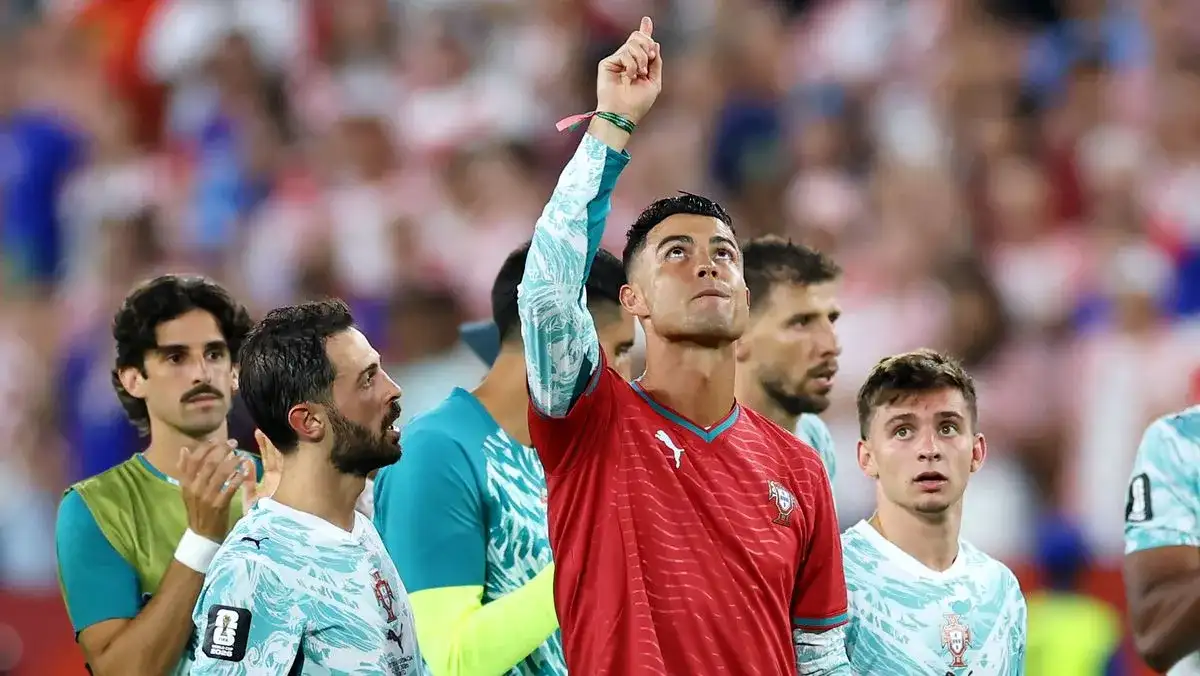
Read More: Ronaldo Honors Diogo Jota After Portugal Wins World Cup Match
Questions Mount as Tournament Looms
The timing of Crocker's departure raises serious questions about stability and continuity within the national team setup. Coach Mauricio Pochettino, whose tenure has already been marked by inconsistent results and pressure to meet high expectations, now faces an even more challenging landscape. Pochettino's stated ambition of reaching the World Cup semifinals appears increasingly tenuous given the internal turmoil.
Recent performances have done little to quell anxieties. Lopsided losses to teams like Belgium and Portugal have highlighted existing fragilities, while key players like Christian Pulisic have endured scoring droughts and been deployed in unfamiliar positions. This, coupled with a perceived lack of depth and strategic clarity, paints a grim picture just as the team is expected to perform on home turf.
Historical Context and Future Uncertainty
The U.S. men's national team has a checkered history in World Cups, with significant pressure mounting for a strong showing as co-hosts. While the team boasts a young core, with an average age of 25 in recent tournaments, the collective experience and cohesion remain under scrutiny. Criticisms from former players, including Landon Donovan and Taylor Twellman, underscore a persistent concern that the team may be unprepared for the immense pressure of a home World Cup.
Read More: Ghana plays Wales before World Cup, Lewis Koumas debuts
The path out of their group, at least on paper, appears navigable. However, the team's ability to capitalize on home advantage and build momentum, which is often crucial in World Cup campaigns, is uncertain. With a dwindling number of international windows for evaluation and experimentation, Pochettino faces a daunting task in solidifying his roster and tactical approach before the tournament commences on June 12 in Los Angeles. The defection of Crocker only adds another layer of complexity to an already high-stakes situation.