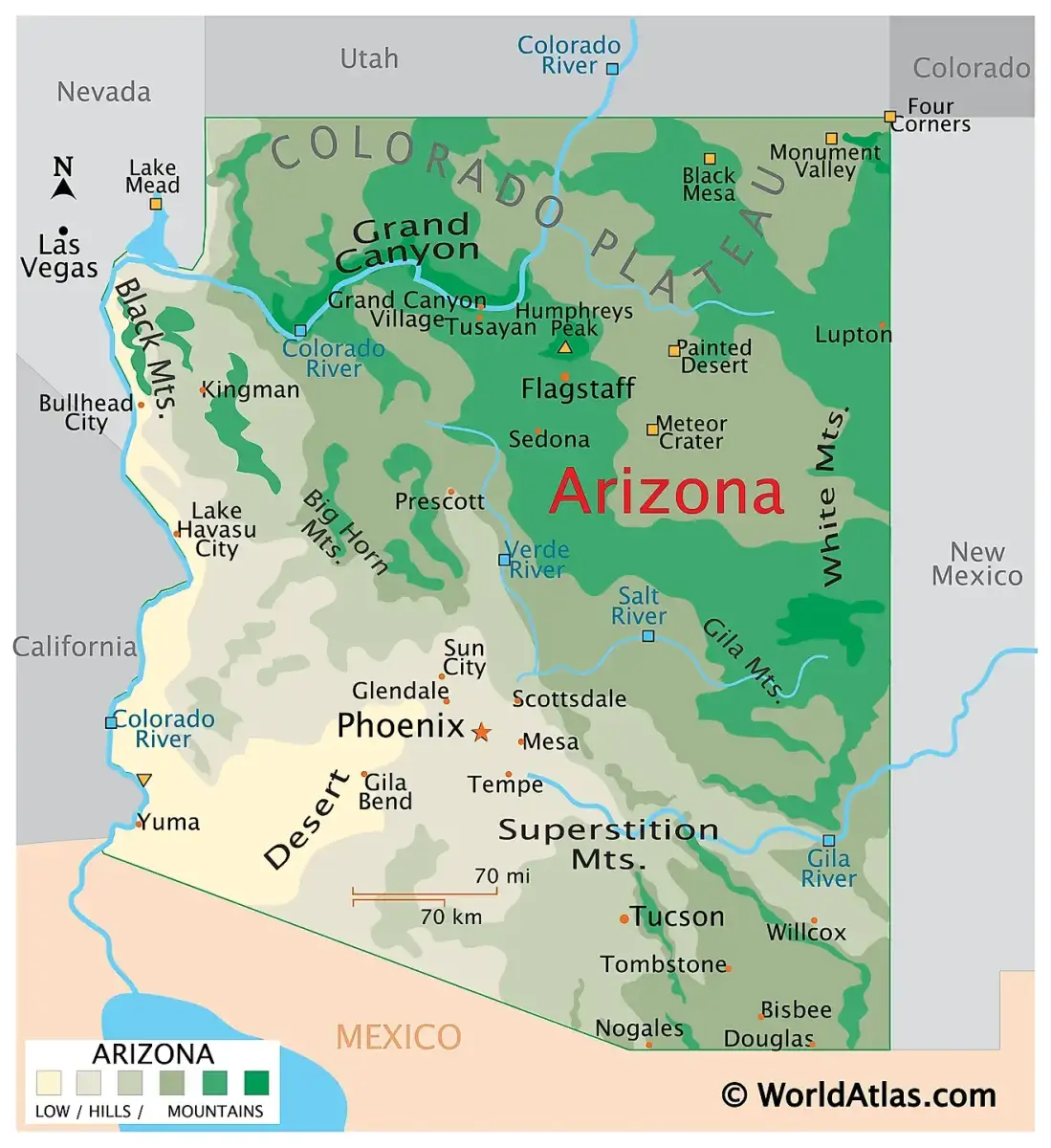
As of today, May 20, 2026, the Big 12 Baseball Tournament is underway at Surprise Stadium in Surprise, Arizona. This year marks a significant departure from the conference's traditional midwestern footprints in Arlington and Oklahoma City, placing the 12-team, single-elimination competition in the spring training home of the Texas Rangers and Kansas City Royals.
The transition to Arizona represents a wider reach for the Big 12, forcing teams to navigate new travel conditions and a unique desert environment during a high-stakes bracket.
Tournament Framework and Schedule
The tournament began yesterday, May 19, with the opening round and continues through the championship game on Saturday, May 23. Matches are distributed across the ESPN+ and ESPNU networks.
| Tournament Stage | Key Dates | Format |
|---|---|---|
| First Round | May 19 | Single-elimination |
| Second Round | May 20 | Single-elimination |
| Quarterfinals | May 21 | Single-elimination |
| Semifinals | May 22 | Single-elimination |
| Championship | May 23 | Final decider |
Structural Complexity
The seeding process and bracket flow have faced scrutiny regarding transparency, with various sources providing conflicting schedules for the late-stage matchups. Currently, the top-seeded Kansas and other high-ranked teams such as West Virginia, Arizona State, and UCF anchor the bracket, while lower-seeded programs like BYU, Texas Tech, Utah, and Kansas State entered via the preliminary play-in games.
Read More: FIFA World Cup 2026 Revenue Reaches $15 Billion With New Ticket Prices
Venue Impact: Playing in the dry heat of Arizona creates distinct atmospheric variables compared to the conference's historical venues.
Media Access: Spectators are primarily directed to ESPN+ and ESPNU for broadcast coverage, though scheduling discrepancies remain a point of confusion for followers tracking specific game times.
Contextual Shift
The decision to hold the 2026 tournament in Arizona underscores the Big 12 conference's ongoing efforts to integrate its expanded membership. Historically, the tournament remained anchored in locations synonymous with its legacy membership. This geographic relocation functions as both a logistical experiment and a signal of the conference's intent to project influence across a broader territory, away from the central plains and into the southwestern corridor.