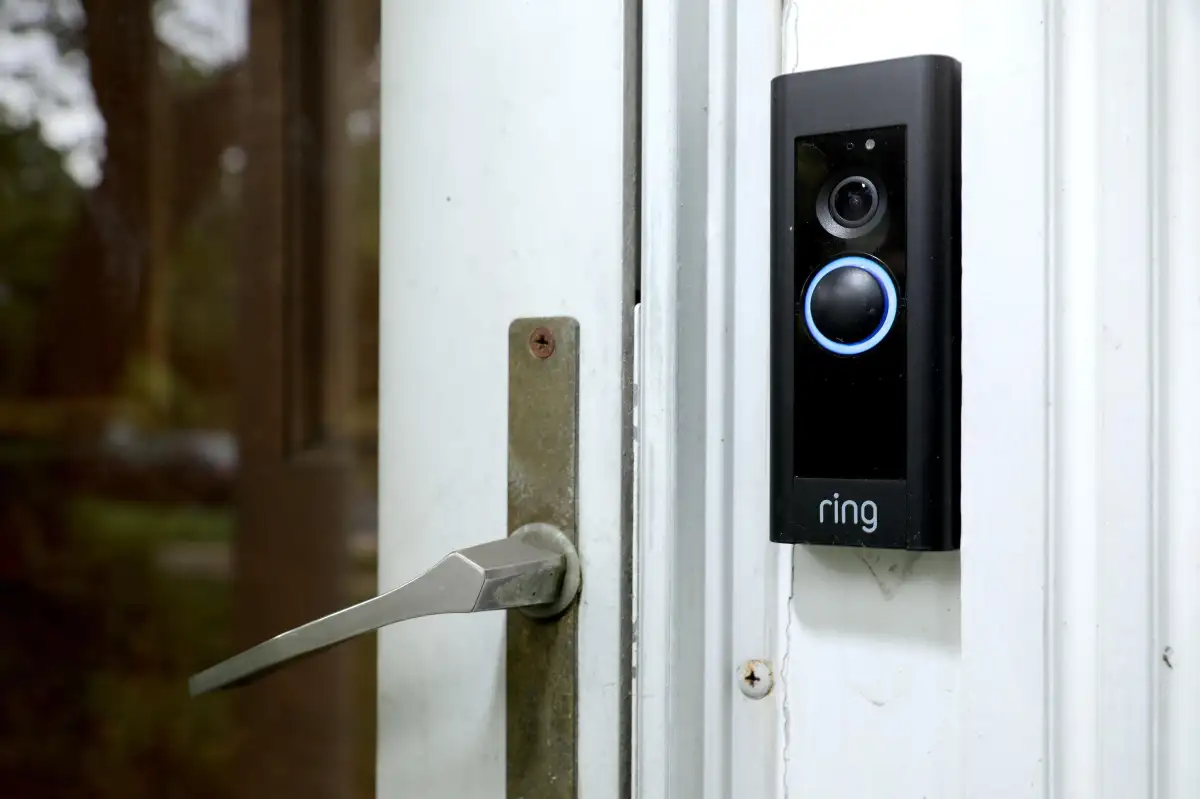
The optimal placement of home security cameras hinges on a calculated approach to surveillance, focusing on critical entry points and areas prone to blind spots. Experts advise mounting cameras between 8 to 10 feet high, a measure cited across multiple sources as crucial for both effective coverage and tamper resistance. This height is seen as a sweet spot, allowing for a broad field of view without making the camera too conspicuous or easily disabled.
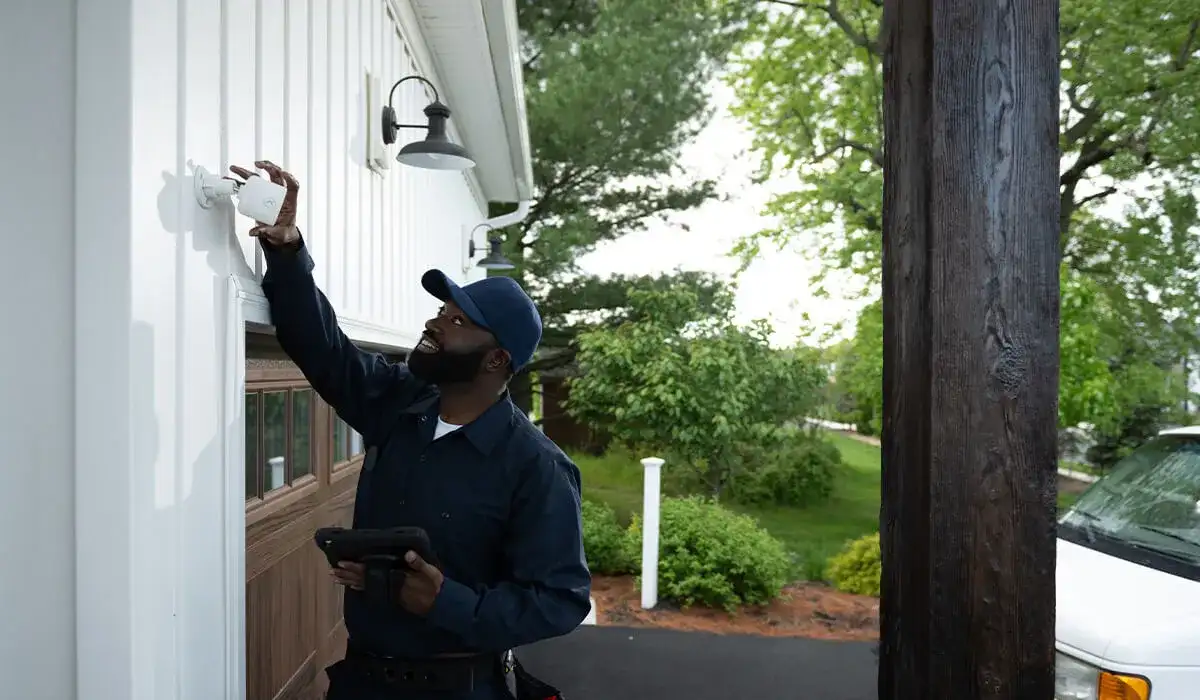
Placement isn't just about coverage; it's about smart coverage. Evidence-based guidelines, often informed by professional standards, emphasize a systematic approach rather than random deployment. This means understanding not only where to install cameras but also where not to.

Key Zones for Enhanced Vigilance
The front door emerges as a paramount location, identified as the most critical entry point for any home. However, relying solely on front-door cameras might leave gaps. Some insights suggest an indoor camera or door sensor near this entry point can capture nuances that exterior cameras might miss.

Beyond the main entrance, other strategic spots include:

Garages, especially detached ones: A camera here provides a vital link to the property and can monitor activity in a commonly vulnerable area.
Other entry points and potential blind spots: Mapping out coverage is key to ensuring cameras complement rather than duplicate each other's fields of view. This planning prevents wasted resources and maximizes the value of the security system.
Navigating the Pitfalls: What to Actively Avoid
Careful consideration must be given to avoiding light sources that can directly face cameras, as this can obscure footage and render the camera ineffective. Furthermore, the growth of vegetation over time poses a potential threat, with plants capable of gradually blocking a camera's view, necessitating periodic checks and maintenance.
Privacy concerns are also paramount, with a strong caution against positioning cameras in a manner that infringes upon a neighbor's privacy. This involves ensuring cameras are directed towards one's own property and not inadvertently capturing neighboring yards or private spaces. Consulting state statutes regarding surveillance is recommended to navigate legal and ethical boundaries.
The Foundation of Effective Security
The effectiveness of any security camera system, regardless of its technological sophistication, is intrinsically linked to its placement. A high-quality camera system, if poorly positioned, can become virtually worthless. This underscores that the strategic selection of camera locations often carries more weight than the camera's inherent quality or price tag. Integrating security cameras with other smart home systems and motion-activated lighting can further amplify their protective capabilities, creating a more robust and responsive security posture.
Read More: Chrome mimeHandler API lets extensions handle file types