Singer-songwriter Beck has concluded a notable run of orchestral performances, a phase marking a significant departure from his established genre-bending career. These concerts, which featured full orchestras accompanying his extensive catalog, have been described as a "symphonic reinvention," showcasing a deliberate shift towards more structured and arranged musical landscapes. The transition appears to have surprised some observers, yet Beck himself has indicated it felt like a "natural next step," particularly as he navigates a later stage in his artistic life.
Orchestral Engagements Span Major Venues
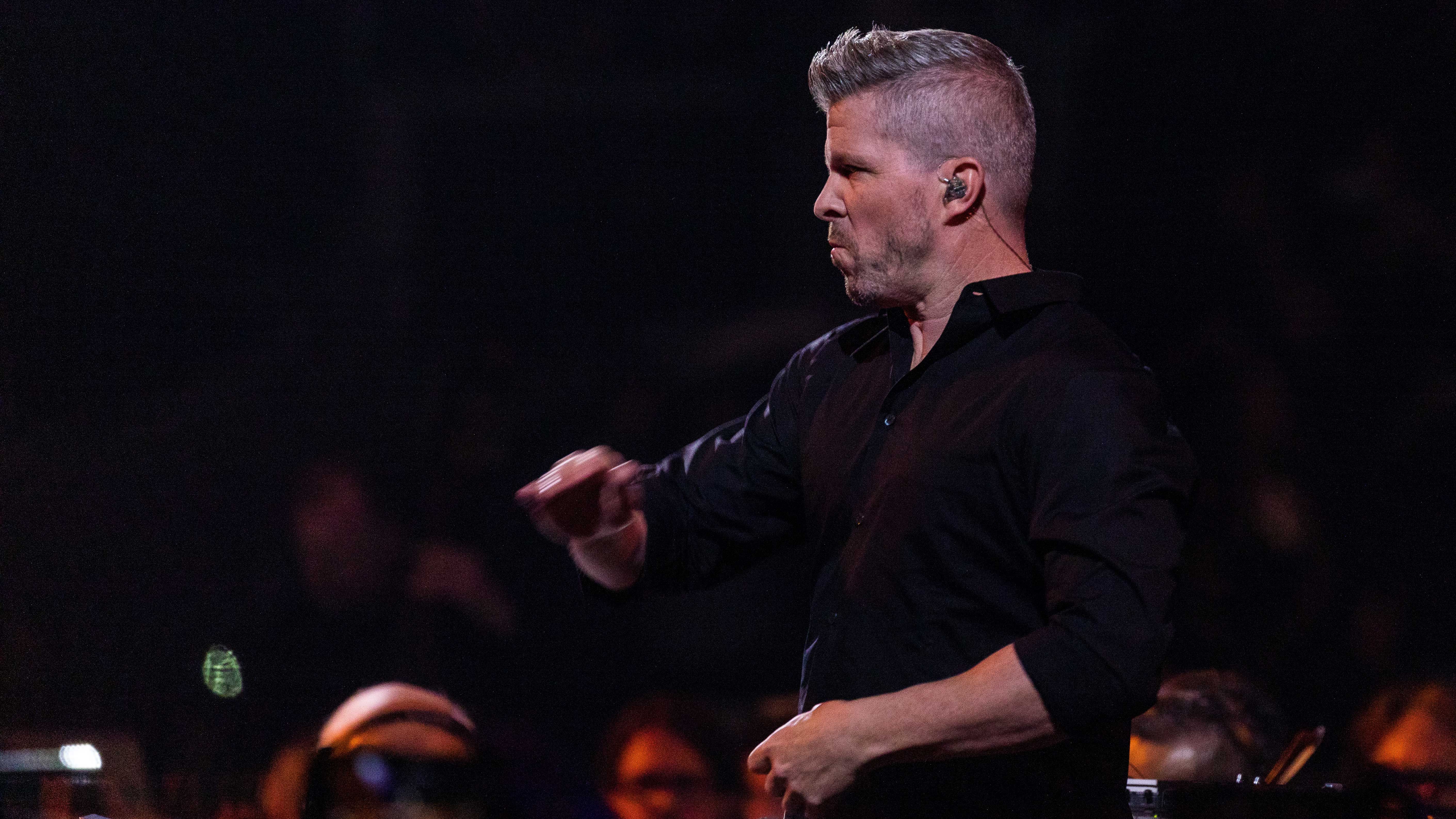
Beck's orchestral tour has taken him to esteemed venues, including Carnegie Hall, the Royal Albert Hall in London, and performances with the Chicago Symphony Orchestra. These engagements, occurring throughout 2024 and extending into mid-2025, have seen him collaborate with conductors like Edwin Outwater and David Campbell, his father, a seasoned composer and conductor. The collaborations focused on reimagining his back catalog, with particular emphasis on albums such as 'Sea Change' and 'Morning Phase,' as well as incorporating orchestral arrangements into hits like "The New Pollution" and "Tropicalia."
Read More: Paul McCartney and Bruce Springsteen impact on rock music legacy 2026
The decision to integrate an orchestra was not merely a superficial addition of strings; reports suggest that entire records were meticulously arranged for orchestral performance. This move from his signature eclectic style, often characterized by "shapeshifting" and experimental approaches, into a more formalized orchestral setting underscores a deliberate artistic exploration.
A Calculated Embrace of Formal Music
While Beck is widely recognized for his chameleon-like ability to traverse genres—from "alt-rock" and "hip-hop" to "punk-funk" and "anti-folk"—this orchestral era represents a conscious embrace of a more classical framework. Beck has spoken of the experience feeling "necessary" and stated that the orchestral arrangements offer a depth and nuance that "can't be simulated." This contrasts with the more spontaneous, often guitar-driven performances that defined earlier periods of his career. His father, David Campbell, whose own extensive work with film scores and major artists like the Rolling Stones, has undoubtedly influenced Beck's comfort and approach to orchestral music.
Read More: Billy West Memoir Reveals How He Created Fry's Voice
The success of these orchestral shows, initially met with surprise, appears to have paved the way for further exploration, with Beck himself noting that the positive reception led to additional dates. This evolution, spanning over three decades since his breakthrough hit "Loser," highlights a career defined by a persistent drive for change and reinvention, culminating in a significant, if temporary, foray into the world of symphonic performance.