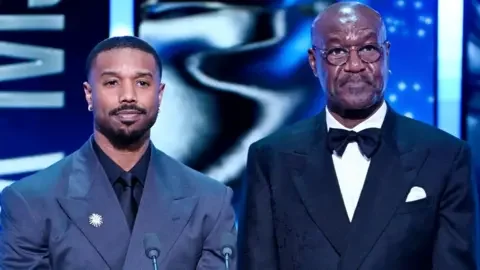
The British Broadcasting Corporation (BBC) is currently conducting a "fast-tracked investigation" into how a racial slur was included in its televised coverage of the Bafta Film Awards. Despite the ceremony being broadcast on a two-hour delay, which usually allows for the removal of offensive content, the N-word was heard by millions of viewers. The slur was shouted by a guest with Tourette syndrome, a neurological condition that causes involuntary sounds. While the BBC has issued several apologies and removed the program from its streaming service, the incident has triggered a significant debate regarding the effectiveness of the broadcaster's editorial controls and its handling of live events involving individuals with disabilities.
Chronology of Events and Primary Actors
The incident occurred during the broadcast of the 2026 Bafta Film Awards, a major event often called the "British Oscars." The timeline below outlines the sequence from the initial recording to the subsequent political response.
Read More: Warner Bros Discovery board reviews higher Paramount bid after Netflix deal
| Timeframe | Event |
|---|---|
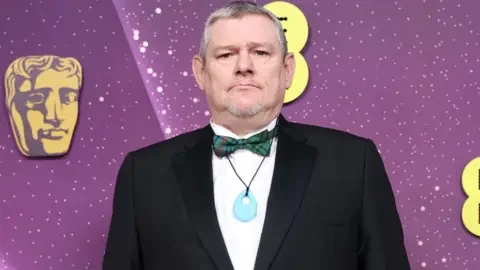
| Sunday Evening | The Bafta ceremony is filmed. John Davidson, a Tourette’s activist, is in the audience. He tics several times, including using the N-word. |
| Sunday Night | The BBC broadcasts the show with a two-hour delay. The slur is included in the final edit shown on BBC One. |
| Monday Morning | The program remains on BBC iPlayer for approximately 12 hours before being removed for re-editing. |
| Tuesday | BBC Chief Content Officer Kate Phillips reveals a second slur was successfully edited out, but the first was missed. |
| Wednesday | Culture Secretary Lisa Nandy labels the broadcast "unacceptable and harmful." An official investigation begins. |
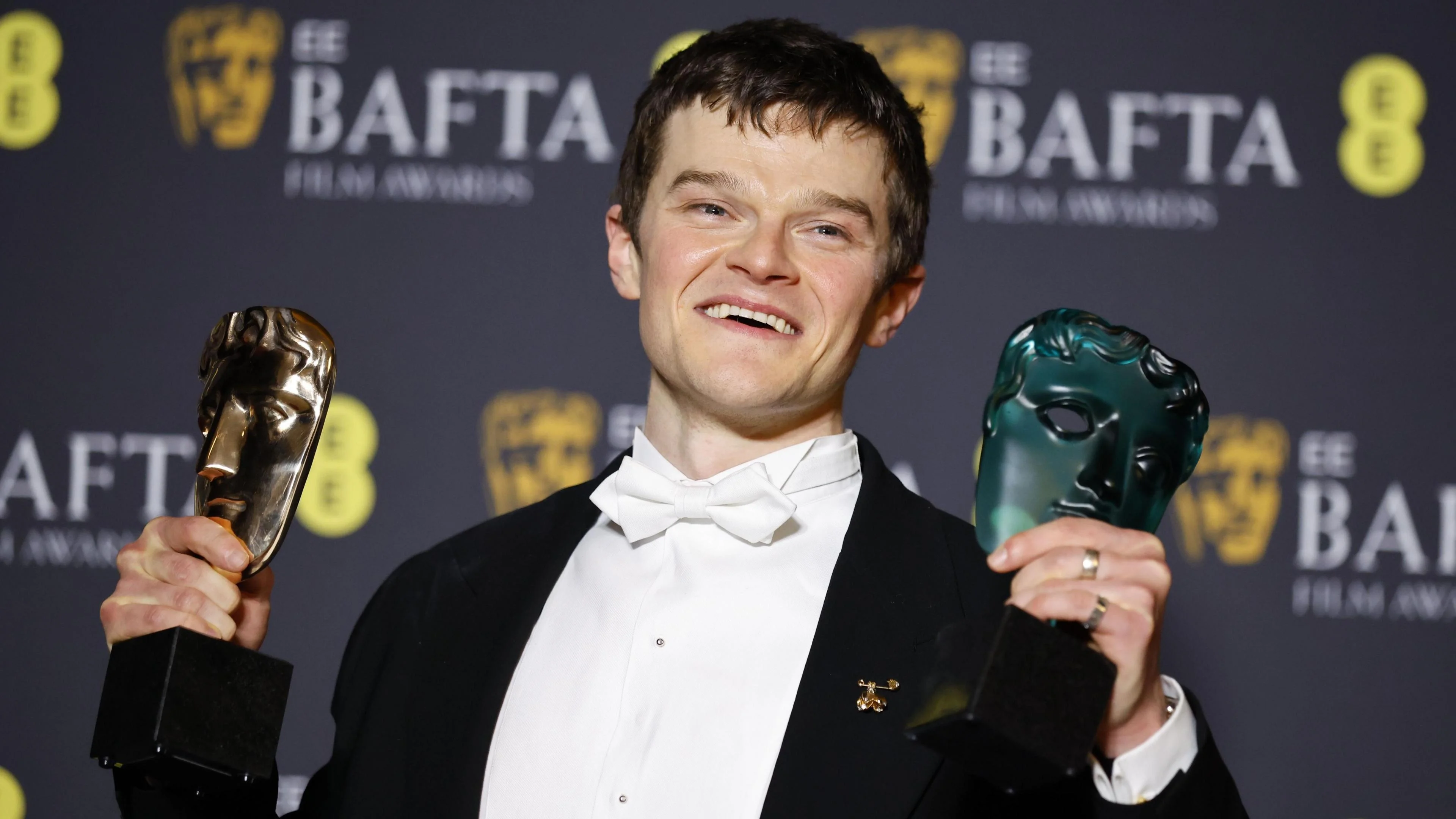
John Davidson: The individual who uttered the slur. His life inspired the award-winning film I Swear.
Michael B. Jordan & Delroy Lindo: The Black actors on stage when the slur was heard.
Tim Davie: The BBC Director General who received formal letters of complaint from the government.
Caroline Dinenage: Chair of the Culture, Media and Sport Committee, seeking an explanation for the failure.
Evidence and Documented Discrepancies
The investigation focuses on why editorial staff failed to remove the slur despite having a 120-minute window between the event and the broadcast.
"This version was available on BBC iPlayer for more than 12 hours before being taken down and re-edited… the latest incident raises questions about the extent to which lessons have been learned." — Dame Caroline Dinenage, Committee Chair.
The core failure lies in the fact that while some segments of the show were heavily edited for time and political content, the racial slur remained in the final cut.
Evidence shows that:
The BBC edited a 2.5-minute speech down to 60 seconds.
Other parts of the show, including a "Free Palestine" comment, were reportedly removed.
Producers claimed they "didn't hear" the slur because they were working in a technical truck.
Host Alan Cumming had already apologized for "offensive language" during the ceremony, proving the staff was aware of the outbursts.
Technical Oversight vs. Intentional Inclusion
The BBC maintains that the broadcast of the slur was a mistake caused by the working environment of the producers.
The Production View: Staff members overseeing the broadcast stated they were located in a production truck and simply did not hear the specific slur during the fast-paced editing process. They highlight that they did successfully remove a second instance of the same word.
The Critical View: Opponents argue that since other "politically-charged" moments were identified and removed, the failure to catch a racial slur suggests a lack of priority or a breakdown in communication between the floor staff (who heard the tics) and the editors in the truck.
Disability Awareness and the Nature of Tourette Syndrome
A central part of this event involves the rights and realities of people living with Tourette syndrome.
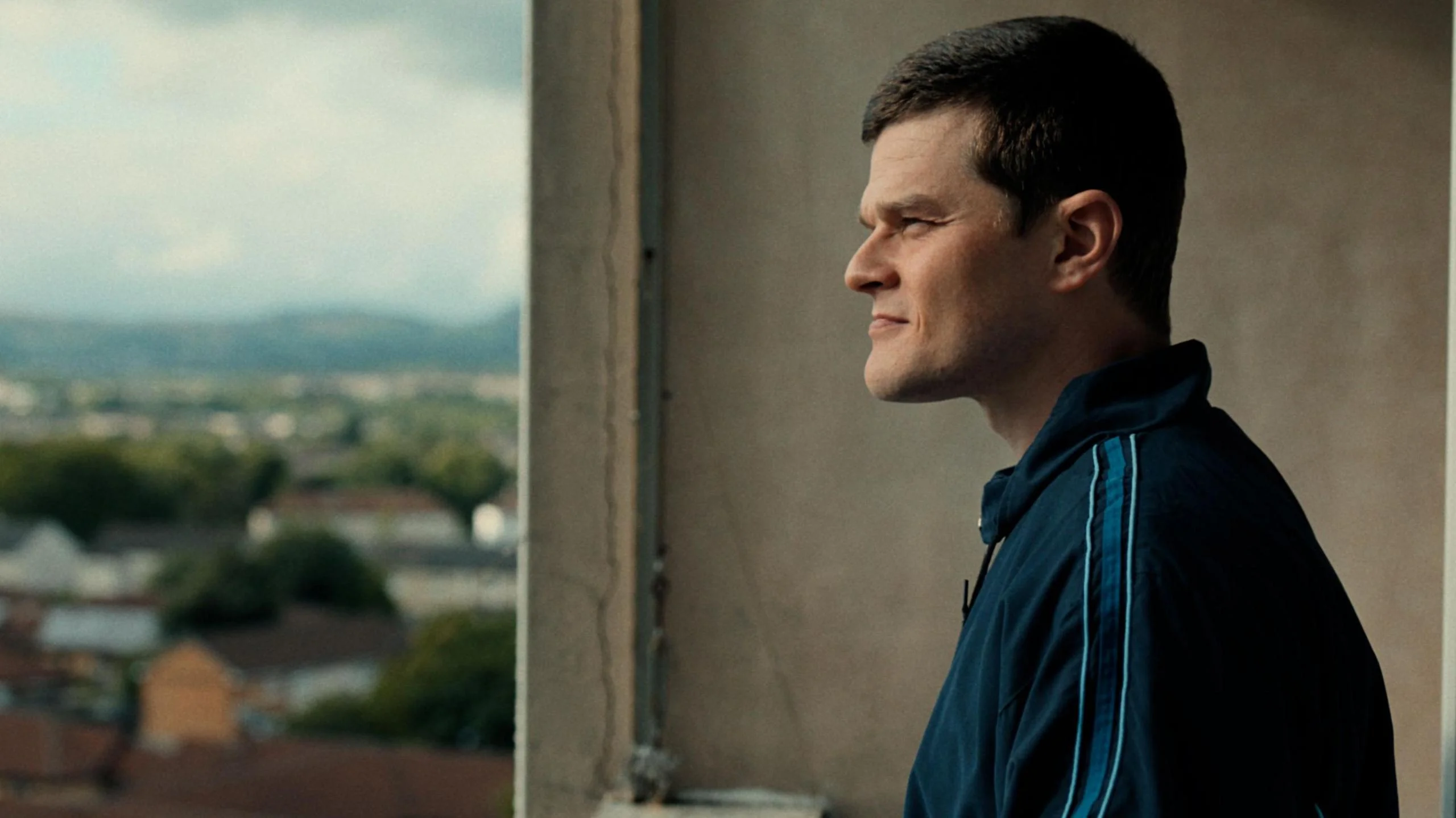
Support for Inclusion: The group Tourettes Action noted that tics are involuntary and that Davidson has no control over his language. They argued that excluding people with Tourette's from public events is not the solution, as they deserve to be represented in the industry.
The Burden of Responsibility: John Davidson himself expressed that the BBC should have been prepared. He noted that he has worked with the BBC on four documentaries previously. He questioned why his tics—which occurred 40 rows back from the stage—were captured by microphones and then included in the broadcast.
Political Accountability and Previous Failures
The government has framed this as a repeat of past editorial mistakes.
The Glastonbury Precedent: In 2025, the BBC was criticized for airing a set by the band Bob Vylan at the Glastonbury Festival, which contained language that broke editorial rules.
Government Intervention: Lisa Nandy stated that the BBC must ensure this "never happens again." The House of Commons committee is specifically asking why the lessons from the Glastonbury incident were not applied to the Baftas. Was the failure due to a lack of staff, poor technology, or a misunderstanding of what constitutes a "serious mistake"?
Analysis of Expert Perspectives
Lisa Nandy, UK Culture Secretary:Nandy has moved from a neutral position to one of active criticism. She views the broadcast not just as an error, but as "harmful" to the public. Her involvement puts pressure on the BBC to prove its internal "Executive Complaints Unit" can hold the corporation accountable without outside interference.
Read More: Gorton and Denton By-election: Tight Three-Way Race for Labour, Reform, and Greens
Kate Phillips, BBC Chief Content Officer:Phillips admitted to the complexity of the night but acknowledged that a second slur was caught. This suggests that the systems were functioning at some points but failed at others. Her statement aims to show the BBC is being transparent about the "serious mistake."
Hannah Beachler, Production Designer:Beachler reported on social media that similar outbursts occurred three times that night, including once directed at her after the show. This evidence suggests the atmosphere at the event was more tense than the broadcast portrayed, raising the question: Did the BBC underestimate the impact of these outbursts on the guests and the audience?
Findings and Investigation Status
The investigation is currently focused on the technical and human factors that led to the broadcast. The BBC has confirmed it will "learn from this" and focus on maintaining inclusion while protecting its editorial standards.
Read More: Michael Rowland leaves ABC News Breakfast after 15 years due to early starts
Current Findings:
The BBC acknowledges the slur should have been removed during the two-hour delay.
The delay in removing the content from iPlayer (12 hours) is cited as a secondary failure.
The broadcaster is reviewing why audio from the audience was mixed so clearly into the main broadcast feed.
Next Steps:
The BBC Executive Complaints Unit (ECU) will publish a full report on the breach of guidelines.
Tim Davie must respond to the House of Commons committee regarding the "controls and systems" currently in place.
The ceremony will remain in a re-edited format on digital platforms.
Sources
BBC News: Report on Lisa Nandy’s comments regarding the "unacceptable" broadcast. https://www.bbc.com/news/articles/crrxjzrexr1o
Deadline: Coverage of the political reaction and the revelation of a second edited slur. https://deadline.com/2026/02/bbc-lisa-nandy-bafta-racial-slur-1236736067/
Far Out Magazine: Details on John Davidson’s reaction and the Glastonbury comparison. https://faroutmagazine.co.uk/lisa-nandy-bbc-airing-racial-slur-during-baftas-unacceptable-harmful/
The Guardian: Producers' explanation from the technical truck. https://www.theguardian.com/film/2026/feb/23/bbc-new-apology-bafta-n-word-controversy-iplayer
ABC News: Context on Tourette syndrome and the specific moment with Michael B. Jordan. https://abcnews.com/GMA/Culture/bbc-apologizes-after-airing-racial-slurs-2026-baftas/story?id=130404353
LBC: Summary of the backlash and the success of the film I Swear. https://www.lbc.co.uk/article/lisa-nandy-racial-slur-baftas-tourettes-5HjdTXH2/