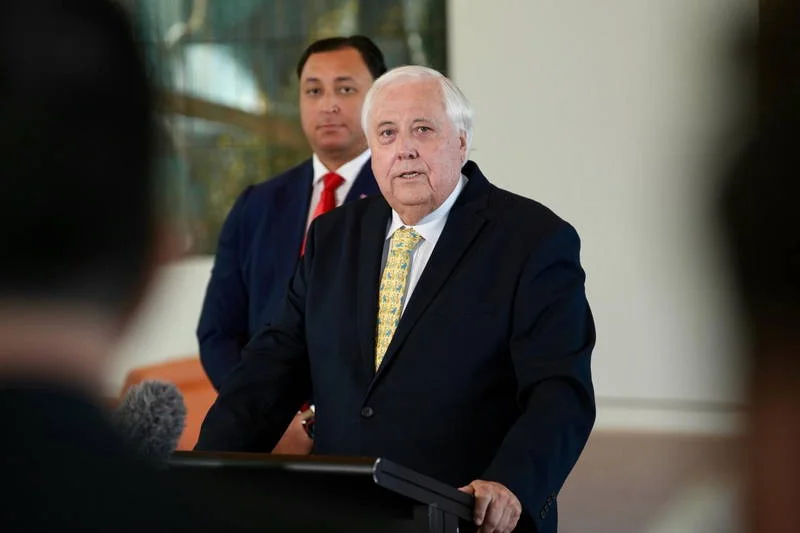
The Australian political landscape is once again buzzing with controversy, this time ignited by explosive claims from Steve Bannon, a prominent figure in US conservative politics and former strategist for Donald Trump. Bannon has reportedly bragged about orchestrating Clive Palmer's massive, and controversial, $60 million advertising blitz during the 2019 Australian federal election, an event that significantly impacted the outcome. However, Palmer himself has vehemently denied any such involvement, calling Bannon a liar and stating he never met him. This stark contradiction throws a spotlight on the shadowy world of political influence, campaign funding, and the potential for foreign interference in democratic processes. The stakes are high: was Australia's election outcome subtly manipulated by external forces, or is this a case of a notorious political operator inflating his own importance?
The Bannon Bombshell and Palmer's Ponderings
The recent revelations stem from documents unsealed as part of an investigation into Jeffrey Epstein, the convicted sex offender. In messages sent to an account believed to belong to Epstein shortly after the 2019 Australian election, Bannon is quoted as saying: "I had Clive Palmer do the $60 million anti China and climate change ads." (SMH, 2026) This statement suggests a direct and strategic influence by Bannon over Palmer's campaign, a campaign that flooded Australian airwaves and media with heavily critical messages against the then-opposition Labor Party and its leader, Bill Shorten.
Read More: Trump Disagrees with Federalist Society, Judge Stops His Courtroom Talk
Palmer's immediate and forceful rebuttal paints a very different picture. He stated, "Well, he just lied." (The Guardian, 50 mins ago) He further asserted his ignorance of Bannon's claims and explicitly denied ever meeting him or Epstein, stating, "I never met Epstein." (The Guardian, 50 mins ago) Palmer's spokesperson, Andrew Crook, also denied any communication or collaboration with Bannon. (The Guardian, 1 day ago)
This dramatic standoff raises immediate and critical questions:
Who is telling the truth? Why would Bannon falsely claim credit for such a significant political campaign, and why would Palmer so vehemently deny any connection if one existed, especially given the financial scale?
What was the true intent of Palmer's 2019 campaign? Palmer himself admitted at the time that his strategy was to "polarise the electorate" and damage Labor's chances. (The Guardian, 1 day ago) Was this an independent decision, or was it influenced by external advice as Bannon claims?
What does "influence" truly mean here? Even if Bannon offered advice, does that constitute the level of "behind the campaign" involvement he implied to Epstein?
A Look Back: The 2019 Election and the Palmer Phenomenon
The 2019 Australian federal election was a watershed moment, largely unexpected by most pollsters and commentators. The incumbent Coalition government, led by Scott Morrison, was returned to power, defying predictions of a Labor victory under Bill Shorten. A significant and disruptive factor in this election was the massive advertising spend by Clive Palmer's United Australia Party (UAP).
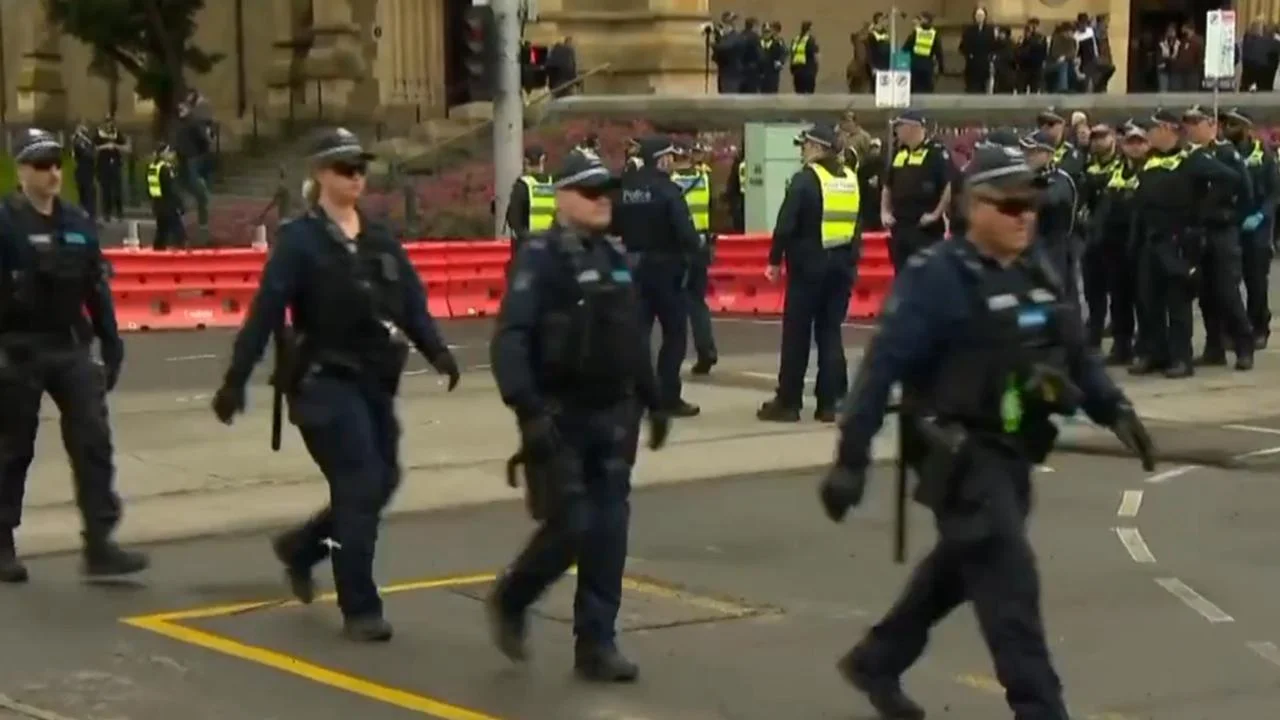
Read More: Protests in Melbourne During Israeli President's Visit
The UAP's campaign, characterized by saturation advertising across various media, focused heavily on anti-China and anti-climate change messaging, often employing populist rhetoric. This expenditure was unprecedented for a minor party and significantly dwarfed the advertising budgets of the major parties.
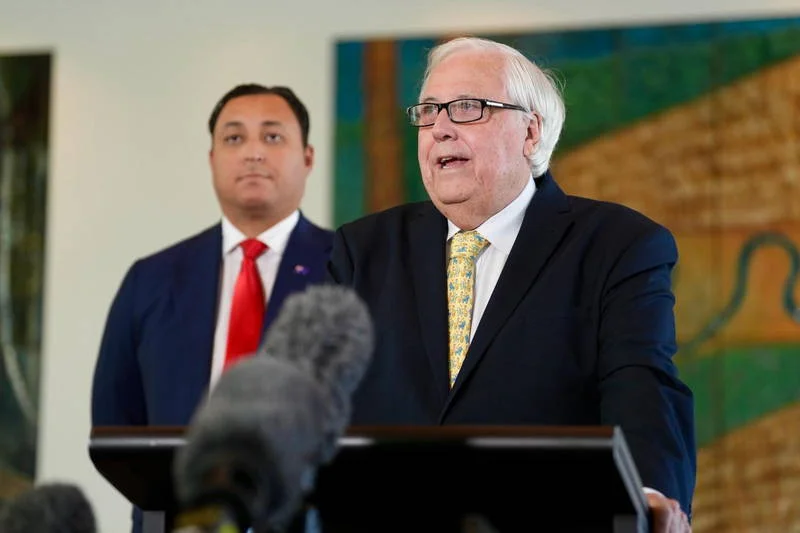
Magnitude of Spend: An estimated $60 million was poured into the campaign, making it Australia's most expensive political advertising campaign to date. (The Guardian, 1 day ago)
Targeting Labor: Palmer's own statements indicate a strategic aim to undermine Bill Shorten and the Labor Party. (The Guardian, 1 day ago)
Impact on Labor's Campaign: Labor's post-election review highlighted that Palmer's expenditure "crowded out Labor's advertising" and represented a "new and destabilising factor." (SMH, 3 days ago)
Focus Groups: Voters in focus groups described Palmer's campaign messaging in "derogatory terms," which may explain the UAP's poor electoral performance despite the ad spend, but the messaging undeniably took a toll on Shorten's leadership standing. (The Guardian, 1 day ago)
Read More: Lawmakers Question Attorney General Bondi on Epstein Files
Why the $60 Million? Palmer's motivation has always been a subject of intense speculation. While he presented himself as a potential kingmaker or even a prime ministerial candidate, his party failed to secure any lower house seats. (The Guardian, 10 news) The sheer scale of the spending, far exceeding any logical electoral return for his own party, fuelled theories about his true objectives. Was it solely to influence the outcome between the major parties, or was there another agenda at play?
Bannon's Reputation and the Epstein Connection
Steve Bannon is no stranger to controversy. A key architect of Donald Trump's 2016 presidential campaign, he is widely seen as a promoter of populist nationalism and, at times, misinformation. His involvement in international politics has been a recurring theme, often marked by attempts to influence electoral outcomes and promote his ideological agenda.
Read More: Many Protests Happen in Australian Cities
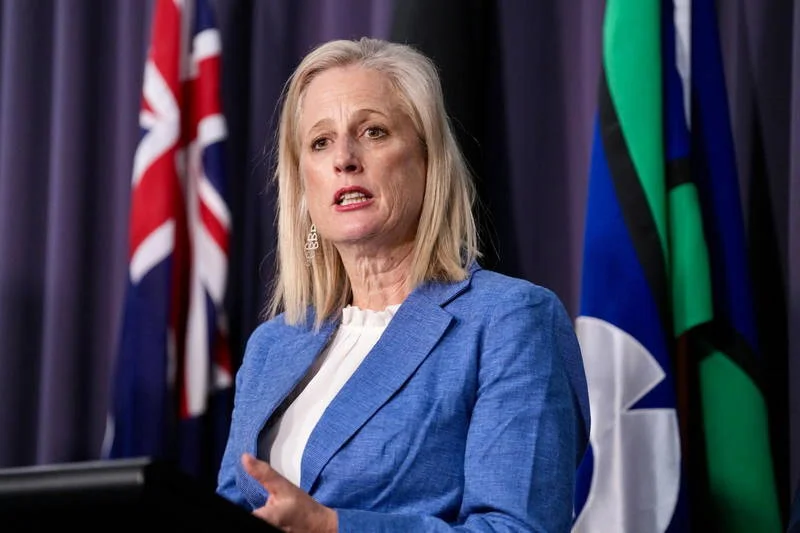
The connection to Jeffrey Epstein is particularly chilling. Epstein, a convicted sex trafficker who died in custody in 2019, maintained a vast network of high-profile associates. Bannon's willingness to discuss potentially covert political influence operations with Epstein raises serious questions about the circles he operated in and the nature of his communications.
Bannon's International Ambitions: Messages obtained from Epstein's files suggest Bannon was actively discussing his involvement in foreign elections, including Kazakhstan. (SSBCrack News, 2 days ago)
Epstein's Network: The released documents reveal Epstein's extensive connections, including former US President Bill Clinton, Elon Musk, and Bill Gates. (SMH, 3 days ago)
Foreign Interference Concerns: Bannon's alleged boast comes at a time when concerns about foreign interference in democratic processes are escalating globally. (SSBCrack News, 2 days ago)
The fact that these claims have surfaced from Epstein's files adds a layer of disturbing context. It suggests that Bannon may have been candidly discussing his alleged role in influencing the Australian election with individuals whose judgment and intentions were questionable at best.
The "Forces at Play" and Australia's Electoral Integrity
The implications of Bannon's claims, if true, are profound. They touch upon the very integrity of Australia's democratic system. Bill Shorten, the former Labor leader who narrowly lost the 2019 election, has openly questioned the "forces at play" and stated that if Bannon aimed to stop Labor, "I must have been doing something right." (The Guardian, 1 day ago)
Read More: Congress Leader Accuses Finance Minister of Lying to Parliament About WTO Deal
Shorten's sentiment echoes a broader concern:
The Blurring Lines of Influence: If external actors can orchestrate or significantly influence domestic election campaigns through funding and messaging, how truly sovereign are our democratic choices?
Transparency in Campaign Finance: Australia's laws on electoral donations and political advertising are often scrutinized. The UAP's vast expenditure, funded by Palmer, raises questions about the sources and motivations behind such wealth deployment in politics. The recent announcement by Palmer challenging electoral donation caps (ABC News, 2 hours ago) further highlights this ongoing tension.
Foreign Interference Laws: Experts suggest that even if Bannon's communication with Palmer occurred, it might not automatically fall foul of Australia's foreign interference laws, which focus on activities conducted on behalf of a "foreign principal" for "political or government influence." (The Guardian, 1 day ago) However, the intent and impact remain a significant concern for public trust.
Unanswered Questions and the Path Forward
The diverging accounts of Clive Palmer and Steve Bannon leave a cloud of uncertainty over one of Australia's most significant recent elections. While Palmer dismisses Bannon's claims as lies, the origin of these claims within the context of Epstein's files lends them a disturbing credibility, at least as a representation of Bannon's own perception of his influence.
Read More: Barbeques Galore Stores Close After Company Faces Money Problems
Did Bannon have direct contact with Palmer or his campaign team? Palmer denies ever speaking to Bannon. (The Guardian, 50 mins ago) Is there any corroborating evidence of communication beyond Bannon's statement to Epstein?
What was the role of money? If Bannon did provide strategic advice, was this advice unsolicited, or was there any financial transaction or understanding, however indirect, between Bannon and Palmer's entities?
What does Palmer stand to gain from such a strong denial? Beyond simply refuting a false claim, is there a deeper reason for Palmer to distance himself so completely from Bannon, particularly if any perceived link could invite further scrutiny of his own campaign's origins or funding?
How does this affect public trust in Australian democracy? Even if Bannon is exaggerating his role, the mere suggestion of such external manipulation can erode confidence in the electoral process.
The Australian Electoral Commission and relevant authorities may need to re-examine the events of 2019 in light of these new disclosures. Transparency remains the best disinfectant for potential corruption and undue influence. Until clear evidence emerges to definitively corroborate or refute Bannon's claims, the narrative of the 2019 election will continue to be shadowed by the possibility of shadowy external forces pulling strings behind the scenes, leaving Australians to wonder just how much control they truly had over their own political destiny.
Read More: Keir Starmer Faces Questions After Top Civil Servant Leaves and Controversial Appointments
Sources:
The Guardian (2026, February 4). Australia politics live: Clive Palmer says Bannon ‘lied’ by purportedly claiming to be behind his 2019 ad campaign; question time under way. https://www.theguardian.com/australia-news/live/2026/feb/04/australian-politics-live-labor-liberal-anthony-albanese-sussan-ley-leadership-challenge-coalition-littleproud-chalmers-interest-rates-rise-rba-ntwfb
The Guardian (2026, February 2). Clive Palmer denies Steve Bannon’s claim he was behind billionaire’s controversial 2019 Australian election ad strategy. https://www.theguardian.com/us-news/2026/feb/02/clive-palmer-denies-steve-bannons-claim-he-was-behind-billionaires-controversial-2019-australian-election-ad-strategy
The Guardian (2026, February 3). Bill Shorten questions ‘forces at play’ after Steve Bannon’s claim he helped Clive Palmer, damaging Labor’s 2019 election chances. https://www.theguardian.com/australia-news/2026/feb/03/bill-shortens-questions-forces-at-play-after-steve-bannons-claim-he-helped-clive-palmer-damaging-labors-2019-election-chances
SMH (2026, February 1). ‘I had Clive Palmer do the … ads’: Trump lieutenant’s Australian election claim revealed in Epstein files. https://www.smh.com.au/politics/federal/i-had-clive-palmer-do-the-ads-trump-lieutenant-s-australian-election-claim-revealed-in-epstein-files-20260201-p5nyl3.html
ABC News (2026, February 4). Clive Palmer announces High Court challenge against electoral donation cap. https://www.abc.net.au/news/2026-02-04/federal-politics-live-ley-littleproud-albanese/106301102
SSBCrack News (2026, February 2). Clive Palmer denies claims of campaign influence by Steve Bannon in 2019 election. https://news.ssbcrack.com/clive-palmer-denies-claims-of-campaign-influence-by-steve-bannon-in-2019-election/
SMH (2026, February 2). Shorten says Bannon’s texts about Palmer show he ‘must have been doing something right’. https://www.smh.com.au/politics/federal/shorten-says-bannons-texts-about-palmer-show-he-must-have-been-doing-something-right-20260202-p5nyuy.html
PS News (2026, February 1). Epstein files reveal alleged US influence over Clive Palmer in 2019 Australian election. https://psnews.com.au/epstein-files-reveal-alleged-us-influence-over-clive-palmer-in-2019-australian-election/172627/
The Guardian (2026, February 2). Afternoon Update: fresh search for Dezi Freeman; Nationals leader survives spill bid; and Grammy winner says ‘ICE out’. https://www.theguardian.com/australia-news/2026/feb/02/afternoon-update-monday-ntwnfb
The Guardian (n.d.). Clive Palmer. https://www.theguardian.com/australia-news/clive-palmer
ABC News (2026, February 1). Palmer rejects political influence claim surfaced in Epstein files. https://www.abc.net.au/news/2026-02-01/palmer-denies-bannon-claim-of-election-campaign-influence/106293074