The T20 World Cup 2026 finds itself embroiled in a complex geopolitical and cricketing dispute, with Bangladesh initially refusing to participate due to alleged security concerns in India, its designated host nation. This stance has drawn Pakistan into the controversy, as Dhaka seeks Islamabad's support, leading to a delicate standoff between the International Cricket Council (ICC) and the participating nations. The situation is further complicated by the potential for boycotts and retaliatory measures, impacting the tournament's integrity and broader cricketing relations.
Context: A Cricket Tournament Marked by Political Undercurrents
The T20 World Cup 2026, scheduled to be hosted by India and Sri Lanka, has been overshadowed by a developing crisis involving Bangladesh. The Bangladesh Cricket Board (BCB) has officially informed the ICC of its refusal to play its scheduled matches in India, citing unspecified security concerns. This decision, reportedly made after an ICC-commissioned security assessment found no particular threats, has prompted the ICC to consider Bangladesh's removal from the tournament.
Read More: Italy Beats Nepal in T20 World Cup Match
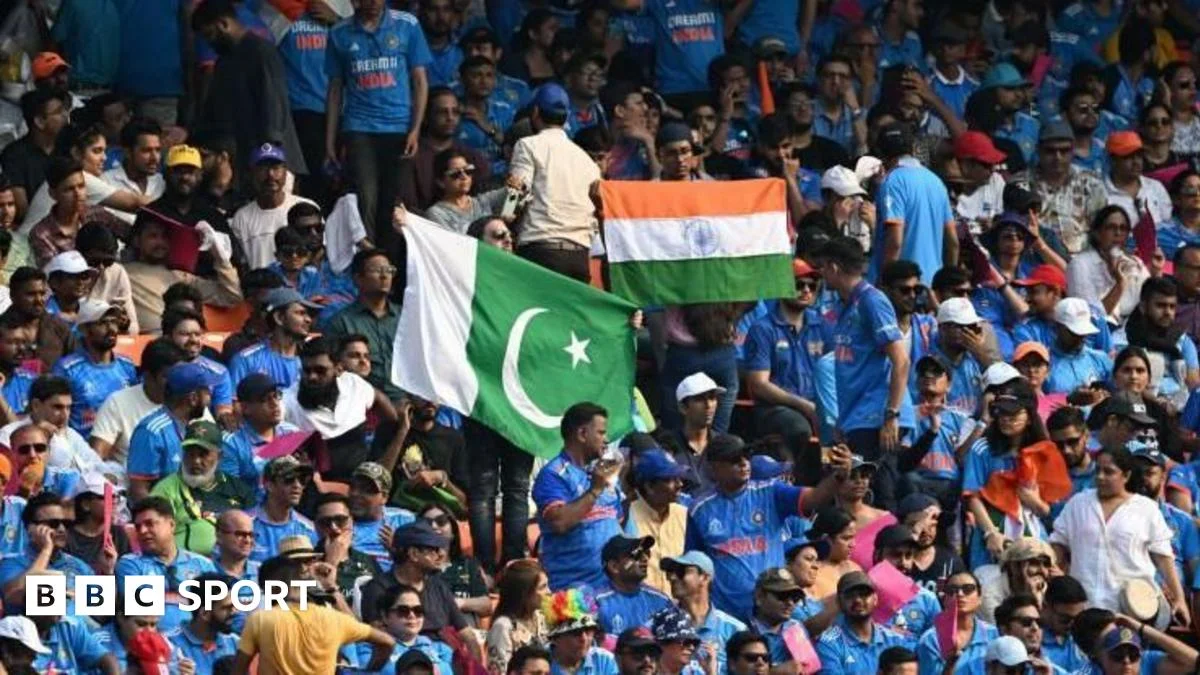
Adding a significant dimension to this dispute, Bangladesh has actively sought the intervention and support of Pakistan. Sources indicate that Dhaka has reached out to Islamabad for both diplomatic and cricketing assistance. This appeal for support appears to be influencing Pakistan's approach to the tournament, with reports suggesting that Pakistan might reconsider its own participation if Bangladesh's demands are not met. The situation is exacerbated by reports of strained India-Bangladesh ties stemming from political issues, though the exact nature and impact of these issues on the cricket standoff remain subjects of reporting.
Evidence: Communications and Stated Positions
Bangladesh's Stance: The BCB formally communicated its refusal to play World Cup matches in India to the ICC, a position maintained despite an ICC security assessment. This action was reportedly taken after the Bangladesh government engaged Pakistan for support on security-related matters.
Pakistan's Involvement: Reports indicate Bangladesh has sought diplomatic and cricketing support from Pakistan. In response, Pakistan has expressed full support for Bangladesh's decision, deeming Bangladesh's security concerns as "reasonable and valid."
ICC's Position: The ICC has reportedly resisted calls for venue changes, citing logistical complexities, existing contracts, and the establishment of precedent. The ICC is said to be prioritizing certainty and urging assurances on security and logistics to facilitate Bangladesh's participation.
Potential Outcomes: Reports suggest the ICC might invite Bangladesh to replace Pakistan in the tournament if Pakistan were to withdraw, with Bangladesh then playing its matches in Sri Lanka. Conversely, if the ICC upholds its stance, Bangladesh faces the choice of playing in India or risking sanctions.
Diplomatic Outreach and Pakistan's Support
Bangladesh's decision to approach Pakistan for support marks a critical juncture in the unfolding T20 World Cup row. This move appears to have directly influenced Pakistan's subsequent actions and public statements regarding the tournament.
Read More: ICC Wants Cricket Leaders to Talk During India-Pakistan Match
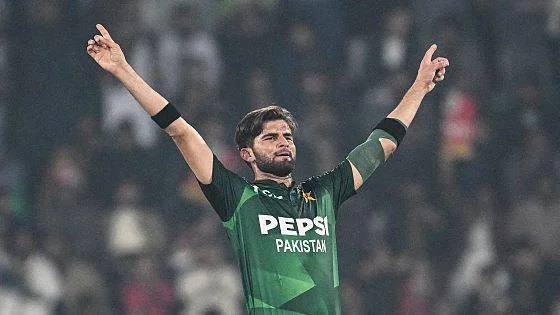
Seeking Allies: Bangladesh has explicitly sought diplomatic and cricketing backing from Pakistan, aiming to leverage Islamabad's influence within the cricketing fraternity. This is particularly noteworthy given the historical context of cricketing relations between the two nations and their broader regional dynamics.
Pakistan's Public Stance: Pakistan has publicly declared its support for Bangladesh's position. Reports highlight that Pakistan views Bangladesh's security concerns as legitimate, suggesting a unified front against the ICC's stance on venue allocation. This alignment aims to exert pressure on the ICC to reconsider its decision.
Strategic Considerations: The intervention by Pakistan not only signals solidarity with Bangladesh but also potentially positions Pakistan as a key player in regional cricket diplomacy. The timing of Pakistan's backing, often reported as occurring shortly before key ICC decisions, suggests a strategic approach to influence the outcome.
ICC's Stance on Venue and Security Assessments
The ICC has maintained a firm position regarding the venue of the matches, while also undertaking security assessments.
Read More: India vs Pakistan Match in T20 World Cup 2026 Will Happen
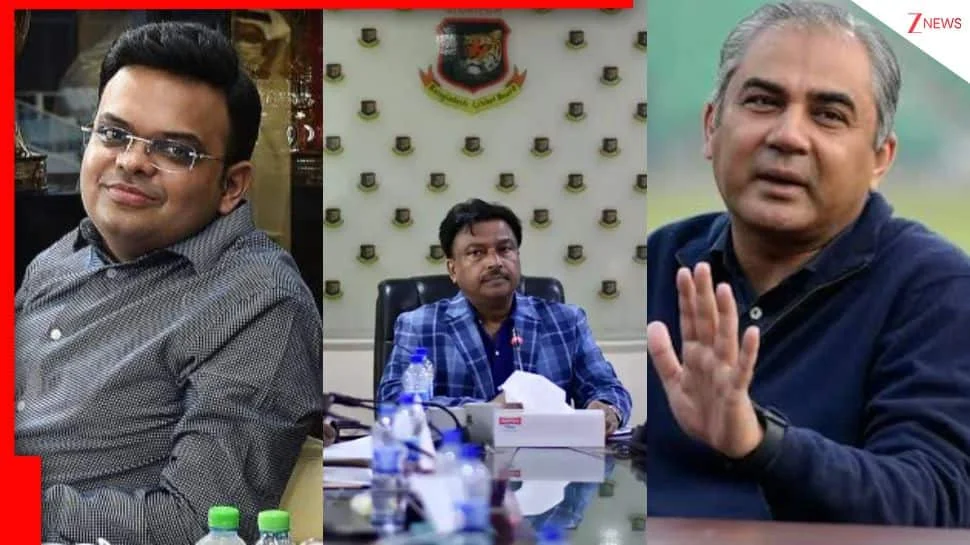
Venue Confirmation: The ICC has consistently indicated that it does not intend to shift Bangladesh's World Cup matches from India to Sri Lanka, despite Bangladesh's formal requests. This decision is attributed to practical challenges related to logistics, contractual obligations, and the establishment of a clear precedent for future events.
Security Evaluation: An ICC-commissioned security assessment reportedly found no specific threats to the participating teams in India. However, Bangladesh has continued to cite security concerns as the basis for its refusal to play.
ICC's Leverage: The ICC's stance places Bangladesh in a precarious position, potentially leading to sanctions or disqualification if their participation requirements are not met by a specified deadline.
Potential Consequences: Boycott and Replacement Scenarios
The ongoing dispute presents a number of potential outcomes, including the possibility of boycotts and team replacements, which could significantly alter the tournament's composition.
Read More: Ships in [Name of Waterway] Have Close Call; Nations Blame Each Other
Pakistan's Participation Under Review: Reports suggest that Pakistan's own participation in the T20 World Cup is contingent on the resolution of the Bangladesh issue. This implies a potential solidarity boycott by Pakistan if Bangladesh's demands are not addressed.
Bangladesh as a Replacement Team: In a twist of events, if Pakistan were to withdraw from the tournament, the ICC might consider inviting Bangladesh to fill the vacant spot. This scenario would likely see Bangladesh playing its matches in Sri Lanka, thereby fulfilling their original request for a venue change.
ICC Sanctions: Should Bangladesh fail to comply with the ICC's directives and not participate in the scheduled matches, they risk facing sanctions from the governing body. The implications of such sanctions on Bangladesh's future participation in international cricket remain a subject of considerable discussion.
Expert Analysis on Regional Cricket Dynamics
The current standoff offers a compelling case study in the intersection of sport, politics, and international relations within the South Asian context.
Read More: Babar Azam's Father Speaks Out, Causes Debate Among Cricket Stars
"The situation highlights the delicate balance the ICC must strike between ensuring competitive fairness and addressing the legitimate security concerns of its member nations. The involvement of Pakistan in supporting Bangladesh's appeal is a significant diplomatic maneuver, potentially creating leverage for both nations." - Cricket Analyst, January 21, 2026
"From a logistical standpoint, changing venues at this late stage presents immense challenges. Contracts, broadcasting rights, and team arrangements are all complexly intertwined. The ICC's reluctance to shift matches is understandable from an administrative perspective, but it puts them in direct conflict with a member nation's stated concerns." - Sports Management Consultant, January 27, 2026
Conclusion: An Evolving Standoff with Unresolved Implications
The T20 World Cup 2026 saga has evolved into a complex diplomatic negotiation, centering on Bangladesh's refusal to play in India due to security concerns and Pakistan's subsequent intervention. The ICC remains steadfast in its decision not to relocate matches, citing logistical and contractual impediments.
Read More: India and US Agree on Trade Deal After Tariff Fights
Key Developments: Bangladesh has actively sought and received diplomatic and cricketing support from Pakistan. Pakistan, in turn, has publicly backed Bangladesh's position, adding significant weight to the dispute.
Uncertainty Persists: The ultimate participation of both Bangladesh and potentially Pakistan remains uncertain as the ICC deliberates. The ICC faces the challenge of upholding tournament integrity while addressing the stated security concerns and managing the political sensitivities involved.
Future Ramifications: The outcome of this standoff will likely have lasting implications for regional cricket relations, the ICC's dispute resolution mechanisms, and the perception of security assurances within international sporting events. The current evidence points to a continued negotiation, with a final resolution yet to be formally declared.
Sources:
BBC Sport: Analysis of the Pakistan-India controversy and the wider context of the T20 World Cup, published 4 days ago.
Link: https://www.bbc.com/sport/cricket/articles/cje18j2xlqjo
NDTV Sports: Report on Bangladesh seeking Pakistan's intervention and the potential impact on Pakistan's participation, published January 18, 2026.
Link: https://sports.ndtv.com/t20-world-cup-2026/bangladesh-seek-pakistans-intervention-as-t20-world-cup-row-takes-new-turn-10774322
News18: Report detailing a potential scenario where Bangladesh could return to the T20 World Cup if Pakistan withdraws, published January 27, 2026.
Link: https://www.news18.com/cricket/new-twist-bangladesh-can-return-to-t20-world-cup-if-pakistan-pulls-out-report-ws-l-9857710.html
Zee News: Coverage of Pakistan backing Bangladesh hours before an ICC verdict, published January 21, 2026.
Link: https://zeenews.india.com/cricket/hours-before-icc-verdict-pakistan-drops-bombshell-backing-bangladesh-in-t20-world-cup-2026-row-3009007.html
Hindustan Times: Report on Pakistan linking its participation review to the Bangladesh issue, seen on AOL, publication date unclear from snippet but contextually relevant.
Link: https://www.hindustantimes.com/cricket/pakistan-add-new-twist-to-t20-world-cup-drama-say-participation-review-hinges-on-bangladesh-issue-101768786102689.html
Gulf News: Confirmation that Pakistan will not boycott the T20 World Cup while supporting Bangladesh's decision, published January 19, 2026.
Link: https://gulfnews.com/sport/cricket/icc/bangladesh-row-pakistan-not-to-boycott-t20-world-cup-1.500413264
Firstpost: Report on Pakistan backing Bangladesh in its standoff with the ICC over India-hosted matches, published January 21, 2026.
Link: https://www.firstpost.com/firstcricket/bangladesh-t20-world-cup-pakistan-backs-bcb-in-standoff-with-icc-13970832.html
ABP Live: Report on a potential twist where Pakistan exits and Bangladesh returns to the T20 World Cup, published January 27, 2026.
Link: https://news.abplive.com/sports/cricket/icc-t20-world-cup-twist-pakistan-out-bangladesh-back-in-report-1823903
Al Jazeera: Article titled "Balochistan to Bangladesh: Why Pakistan is boycotting India World Cup match" published 6 days ago. Status indicated as Low Priority, and summary extraction failed in the provided data.
Link: https://www.aljazeera.com/news/2026/2/2/balochistan-to-bangladesh-why-pakistan-is-boycotting-india-world-cup-match
Read More: England Captain Says "Thank God" After Losing to West Indies

)
)