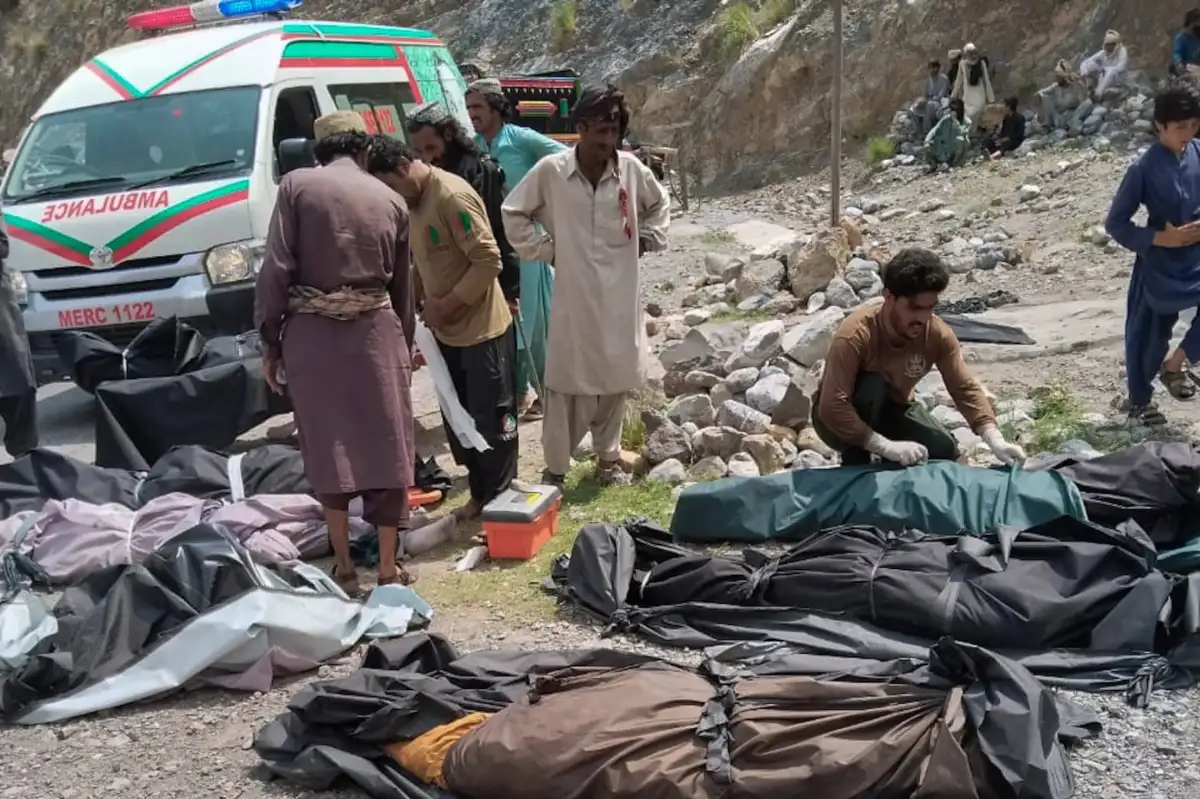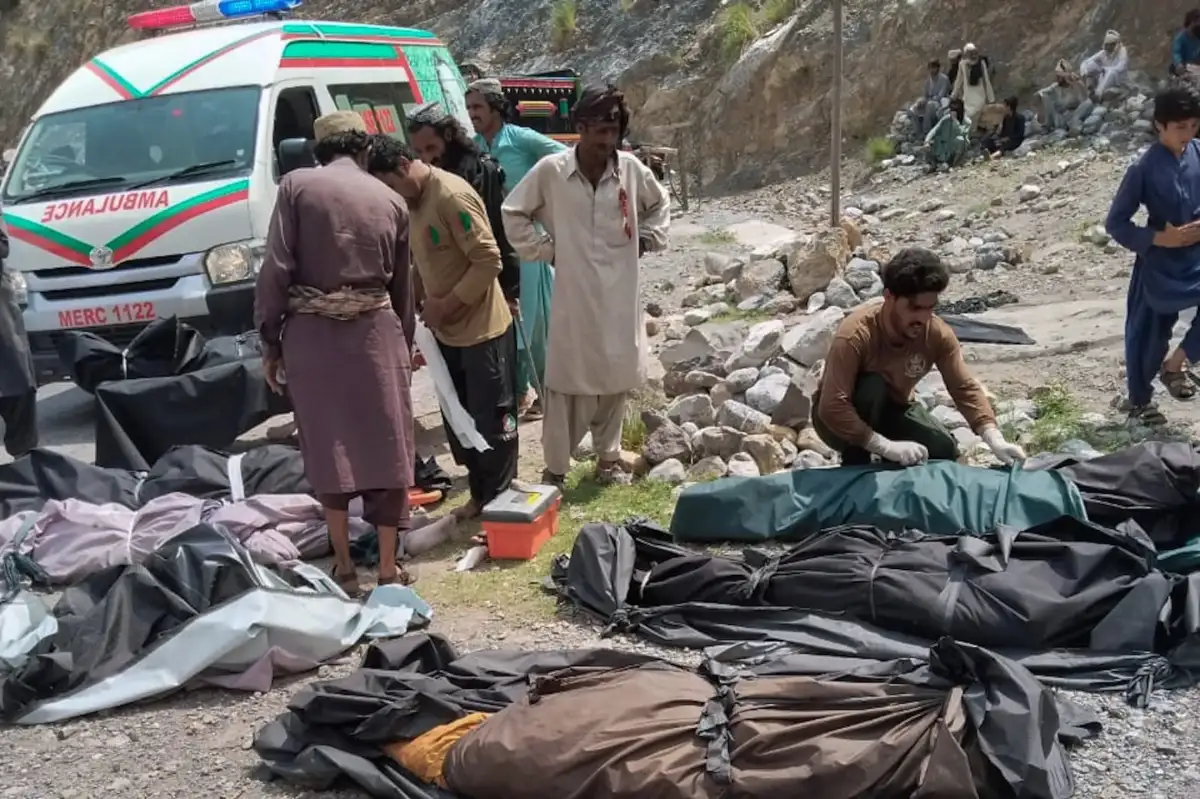
BALOCHISTAN, Pakistan – A recent explosion targeting a train in Pakistan's restive Balochistan region underscores a grim uptick in violence across the province. The incident, details of which remain sparse, adds another layer to the persistent unrest plaguing the region.
The attack on the train serves as a stark, if under-reported, indicator of escalating conflict dynamics in Balochistan. This incident joins a disturbing pattern of escalating hostilities, demanding closer scrutiny of the underlying currents that fuel such confrontations.
The region has long been a focal point for simmering discontent, marked by a complex interplay of ethno-nationalist aspirations, resource disputes, and perceived state neglect. Various armed factions operate within Balochistan, each with their own grievances and objectives, often clashing with security forces and each other.
Understanding the escalation requires acknowledging the deep-seated historical grievances and the ongoing competition for control over the province's significant natural resources. The strategic location of Balochistan, bordering Iran and Afghanistan and featuring the vital Gwadar Port, further complicates the geopolitical landscape.
Read More: Secret Service Promotions After Butler Attack Criticized by Congress
These factors coalesce into an environment where localized tensions can readily erupt into broader conflict. The train incident, therefore, is not an isolated event but a symptom of a deeply entrenched and multifaceted struggle for power and recognition in a strategically crucial, yet marginalized, territory.
Railroad Networks: A Familiar Target
While specific details surrounding the train bombing remain opaque, infrastructure, including transportation networks, has historically been a vulnerable point in insurgencies and low-level conflicts. Such attacks often serve to disrupt state control, sow fear, and draw national and international attention to the perpetrators' cause. The choice of a train, a symbol of connectivity and state presence, is a deliberate act within this broader narrative of resistance and contention.