This ski season has seen a concerning rise in avalanche fatalities across Europe and North America. With over 90 deaths reported globally, officials and forecasters are scrutinizing the contributing factors. The increasing number of people venturing into backcountry areas, combined with shifting snow conditions, appears to be a central theme in this surge of deadly incidents. Understanding the precise reasons behind this trend is critical for improving safety measures and preventing future tragedies.
Growing Backcountry Use and Changing Snow Conditions
The current ski season is marked by an alarming increase in avalanche deaths, a trend noted in various regions including Europe and California. Reports indicate a global toll exceeding 90 fatalities, prompting a closer examination of the underlying causes.

Europe: Several countries, including France, have reported a significant number of avalanche deaths. Incidents occurred throughout January and February. Specific events include multiple fatalities in Savoie and Haute-Savoie in early January, a death near Saint-Colomban-des-Villards, and another near Saint-Véran. These incidents have prompted discussions about the factors contributing to such a high toll.
North America: In California, the Sierra Nevada mountains experienced their deadliest snowslide in recent memory. The region received over 92 inches of snowfall in seven days, contributing to high avalanche risks. This follows a broader "snow drought" affecting the western US, leading to unstable snowpack conditions. Alaska and Oregon also reported fatalities in professional, non-recreational incidents, including heli-skiing and cat skiing operations. Utah recorded a fatality during a professionally guided trip.
Factors Under Scrutiny
Investigators are exploring several potential factors:
Increased Backcountry Activity: Reports suggest a rise in skiers, snowboarders, and snowmobilers venturing into remote, backcountry areas. This trend is observed in regions like Montana, where steep terrain heightens avalanche susceptibility.
Unstable Snowpack: Forecasters are highlighting issues with snowpack stability. In California, high temperatures have led to a record-low snowpack in some areas, and new snow has not adequately bonded to older layers. This lack of cohesion creates a dangerous environment where fresh snow can easily slide.
Climate Change Influence: Climate change and rising temperatures are being cited as potential contributors, particularly in France. While warmer weather might reduce snow at lower altitudes, it can also create unstable conditions at higher elevations.
Expert Observations on Avalanche Dynamics
Forecasters and researchers are observing specific conditions that increase avalanche risk.
Snowpack Structure: The way snow layers bond is crucial. When new snow falls on an existing layer that hasn't had time to freeze together, it can lead to slides. This lack of bonding has been identified as a concern in the Sierra Nevada.
Warning Signs: Experts emphasize the importance of recognizing warning signs. These include visible cracks forming in the snow around one's feet or skis, and evidence of previous slides. Observing these indicators suggests unstable conditions.
Avalanche Size and Risk: Large to very large avalanches remain a significant concern in affected areas. Avalanche centers are issuing forecasts to warn the public about these persistent dangers.
Survival and Safety Measures
When caught in an avalanche, survival often depends on quick action and specific safety equipment.
Read More: Belagavi and Goa Forests Closed Until Monsoon Ends
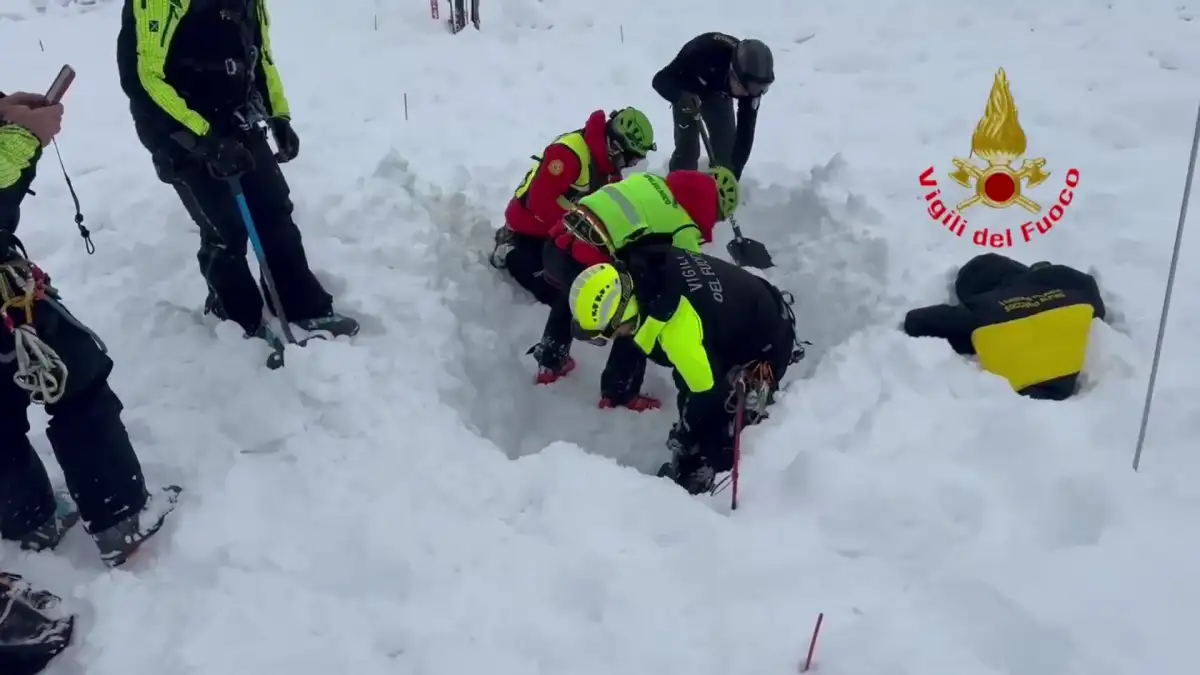
Survival Rates: Survival rates for avalanche victims decline sharply after approximately 15 minutes, especially if they do not succumb to immediate trauma.
Essential Gear: Avalanche safety kits are crucial for backcountry travel. These typically include a shovel for digging, an avalanche transceiver, and a probe.
Airbag Technology: Avalanche airbags are noted as a potentially life-saving device. They function to keep a person higher in the snow flow, reducing the risk of suffocation and improving the chances of remaining visible for rescue. One account describes an individual using an airbag to escape a smaller avalanche.
Incidents and Statistics
Detailed records of avalanche accidents are being compiled and analyzed to understand the scope of the problem.
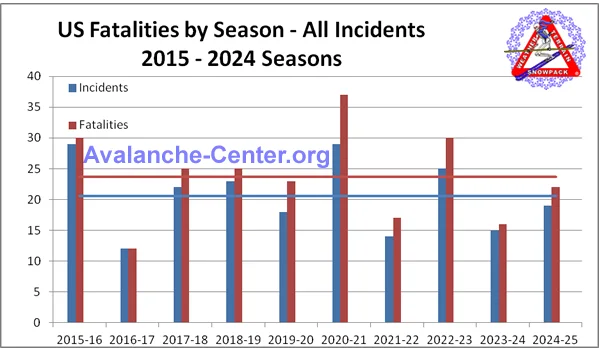
Non-Recreational Incidents: A portion of the recorded incidents are not related to recreational activities. These include accidents involving ski patrol, heli-skiing, cat skiing, and professionally guided trips.
Regional Fatalities: Specific regions have reported multiple fatalities. For example, Savoie and Haute-Savoie in France experienced several deaths within a short period. In the US, Alaska, Oregon, and Utah reported fatalities in professional contexts.
Monthly Trends: February and March have been identified as months with notable accident numbers, including incidents with multiple fatalities.
Conclusion and Implications
The current season's elevated avalanche death toll is a complex issue driven by multiple factors. The convergence of increased human activity in high-risk areas and evolving snowpack conditions, potentially influenced by climate shifts, presents a significant challenge. While technological advancements like airbag systems offer some protection, the fundamental importance of recognizing warning signs, carrying essential safety gear, and heeding avalanche forecasts remains paramount. Continued investigation into the specific circumstances of each incident is necessary to refine safety protocols and public awareness campaigns. The data suggests a persistent and perhaps growing risk that requires ongoing attention from forecasters, authorities, and outdoor enthusiasts alike.
The Irish Times: Reports on avalanche incidents in Europe, including personal accounts of survival and the function of safety equipment like airbags.
The Guardian: Details avalanche risks in California, highlighting the impact of a weak snowpack and recent heavy snowfall on avalanche potential.
Link: https://www.theguardian.com/us-news/2026/feb/19/snow-drought-deadly-california-avalanche
Connexion France: Discusses the rise in avalanche deaths in France, exploring the potential role of climate change and rising temperatures.
Link: https://www.connexionfrance.com/news/avalanche-deaths-in-france-why-so-many-this-year/769360
Avalanche-Center.org: Provides statistics on avalanche accident fatalities, categorizing incidents and noting fatalities in professional settings.
Link: https://www.avalanche-center.org/Incidents/statistics/2024-25/
U.S. Department of Commerce (NOAA/NWS): Offers general information on avalanche safety, including warning signs and essential gear for backcountry travel.
Associated Press (AP): Covers efforts by avalanche forecasters to reduce deaths amidst increased popularity of backcountry activities, using examples from Montana.