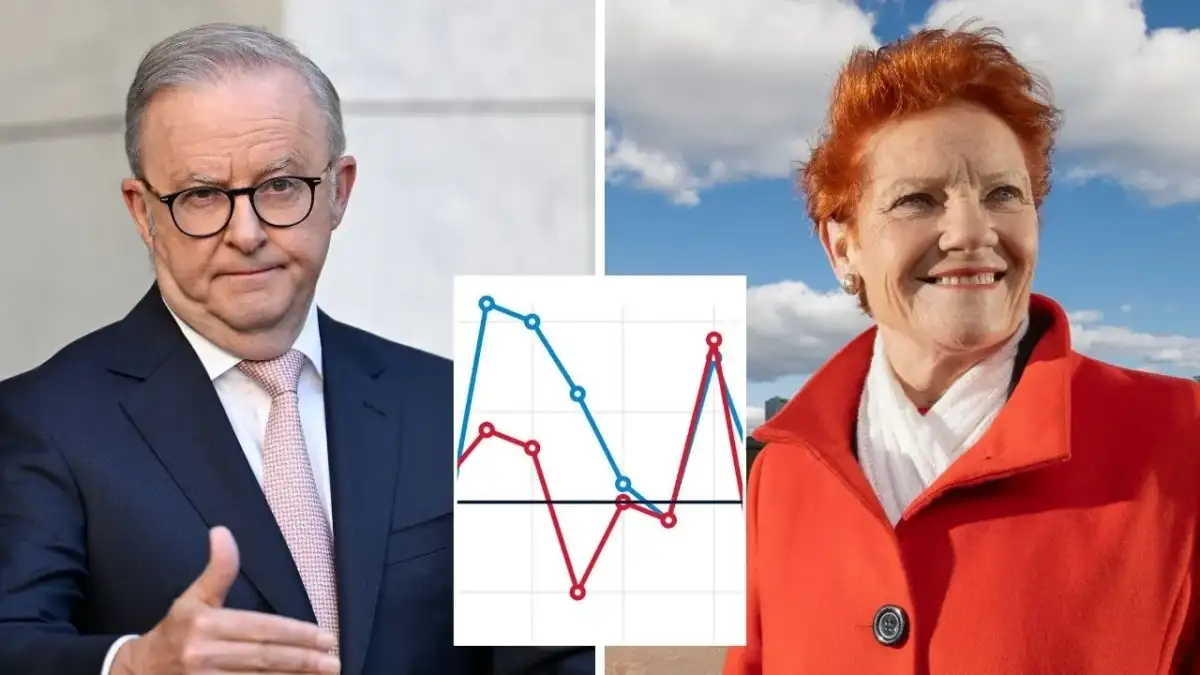
Australian markets have experienced a significant downturn, marked by a substantial loss of approximately $43 billion in a single day, directly correlating with a dramatic rise in oil prices. This economic instability is further amplified by expectations of further interest rate hikes from the Reserve Bank of Australia. Major financial institutions are reportedly factoring in a cash rate increase by the RBA in the coming week, contributing to a pervasive sense of caution among investors. The Australian Securities Exchange (ASX) has been repeatedly impacted, mirroring global stock market declines.

Financial Sector Under Pressure
Key banking stocks on the ASX have shown weakness, reversing previous gains and posting notable declines. The Commonwealth Bank (CBA) saw a fall of 0.6 per cent, the National Australia Bank (NAB) dropped 2 per cent, Westpac declined 1.2 per cent, and ANZ Bank lost 2.5 per cent. These movements suggest a broader hesitancy within the financial sector, as investors weigh the implications of rising energy costs and potential monetary tightening.
Read More: JPMorgan Executive Lorna Hajdini faces lawsuit for abuse in May 2025

Sectoral Divergence Amidst Uncertainty
While some energy and resource companies saw modest gains, others faced significant headwinds. Woodside and Santos experienced advancements, as did refiners Ampol and Viva Energy. However, the broader trend saw declines in technology and mining sectors, with significant players like WiseTech Global, Xero, and Technology One experiencing losses. Iron ore giants BHP, Rio Tinto, and Fortescue Metals Group also ended in negative territory. The airline and retail sectors have also been identified as being under pressure.

Global Echoes and Speculative Currents
The Australian market's woes are not isolated, echoing broader instability in international financial centres. Wall Street has shown a wobbly performance, with the Dow Jones experiencing notable drops, while the Nasdaq has shown mixed movements. Reports of US military actions, including alleged strikes on Iranian nuclear facilities, have injected a potent dose of geopolitical uncertainty, which is being cited as a primary driver for oil price surges and investor anxiety. The oil market itself is being described as trading like a 'meme' stock, implying a heightened level of speculative volatility.
Read More: Outback Wrangler Star Matt Wright Denied Early Release

Emerging Economic Undercurrents
Further compounding the market's unease are signals of potential interest rate hikes and persistent budget gaps in other economic centres, such as New York City. The bond market's sell-off has been interpreted as indicating at least two more interest rate hikes expected within the year, reflecting a growing concern about inflation. Discussions around the potential revocation of tech waivers for firms operating in China have also contributed to a more cautious outlook, particularly impacting semiconductor stocks. The unique synchronised opening of the ASX at 10:00 am AEST is also being monitored for its potential impact on market sentiment.