Government Focuses on Delivery Amidst Populist Surge
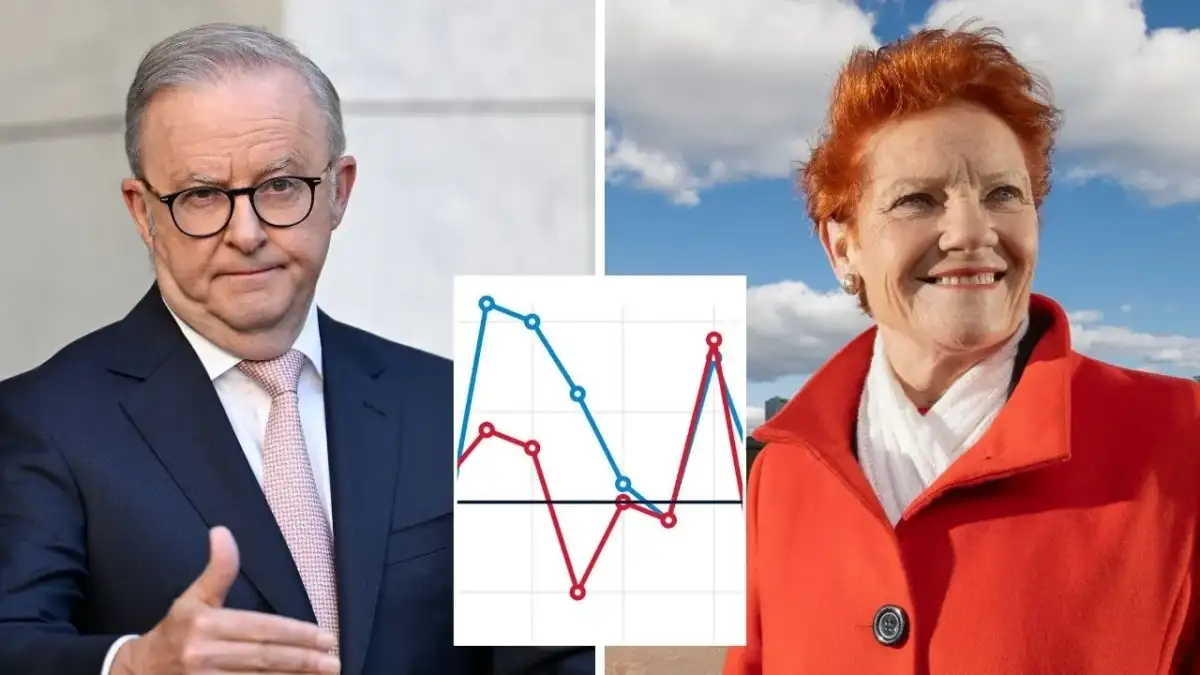
Anthony Albanese, the Prime Minister, has articulated a strategy to counter right-wing populism and the ascendant influence of parties like One Nation. His declared approach centers on tangible improvements to the lives of voters, a focus he insists is paramount a year into his government's second term. This comes as recent polling indicates a significant drop in Labor's primary vote, now sitting at a precarious 30%, a five-percentage-point decline.
Albanese asserts that demonstrating tangible positive impact on citizens' daily experiences is the most effective means to address the rise of right-wing populism and figures like Pauline Hanson.
The Prime Minister’s office has highlighted the government’s ongoing commitment to delivery. Key initiatives cited include adjustments to the childcare subsidy and the implementation of guaranteed three-day childcare, framed as steps towards a universally accessible system. Despite looming budget cuts impacting the National Disability Insurance Scheme and public service departments, Albanese remains committed to substantial reforms during his tenure. The government is also maintaining its stance against facilitating the return of Australian women and children from north-east Syria, amidst growing concerns regarding security.
Read More: West Bengal Repoll Ordered for 15 Stations on Saturday May 2nd
Populist Currents Gain Traction
The political landscape appears to be shifting, with Pauline Hanson's One Nation Party showing a significant surge, now polling at 18% and reportedly surpassing the Coalition's primary vote, which stands at 28%. This trend suggests a growing segment of the electorate is resonating with a more populist message.
The broader international context also seems to play a role. Reports from May 2025 noted Albanese's victory as potentially marking a departure from global trends towards right-wing populism, suggesting Australia might be charting a more progressive course. However, the recent polling data complicates this narrative, indicating that the appeal of populist movements, both domestically and internationally, remains a potent force.
Albanese himself has previously acknowledged concerns within Australia regarding the rise of the far-right, making statements on the matter in September 2025 during international engagements. He has also been noted for his stance against what he terms “nostalgia” as a political strategy, aligning with other prime ministers who have also spoken out against populist right-wing movements.
Read More: Sydney Cockatoos Learn New Foods By Watching Others
Background: A Shifting Political Climate
The electoral success of Albanese's Labor Party in May 2025 was characterized as a potential "new era for progressive politics" and a "historic election" with global implications. Polling and analyses at the time suggested strong support for Labor among younger voters, driven by concerns over climate action and housing affordability. The party’s inclusive rhetoric and environmental investments were seen as outperforming the Coalition's messaging.
However, the narrative of a decisive turn away from populism is now being tested. The incumbent Prime Minister secured a win in May 2025 amidst trailing opposition polling, a turnaround attributed by some observers to international events, including former US President Donald Trump's political actions. The challenges ahead for the Labor government appear to include navigating this complex and evolving political environment.