A recent tragedy involving the death of an Australian father in Bali has brought to light serious questions about the support provided by Australian consulates to citizens facing medical emergencies abroad. Wayne Harvey, an Australian living in Bali, passed away on February 11, 2024, at Puri Raharja hospital in Denpasar. His son, Jake Harvey, made a desperate effort to save his father, flying to Bali as his condition worsened. Despite initial contact with the Australian consulate, Jake Harvey reports that assistance was not forthcoming during the critical period, leading to his father's death and subsequent cremation.
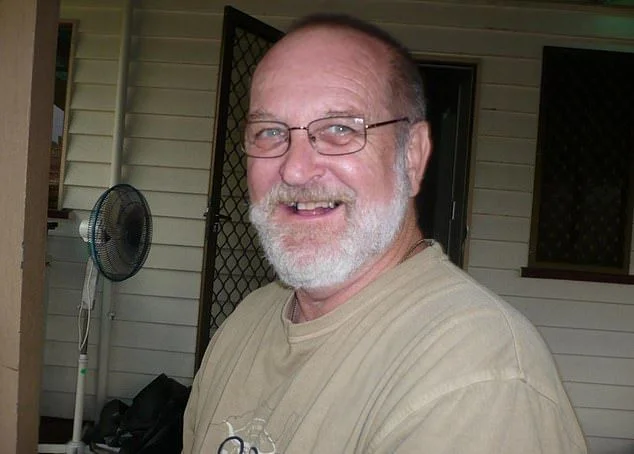
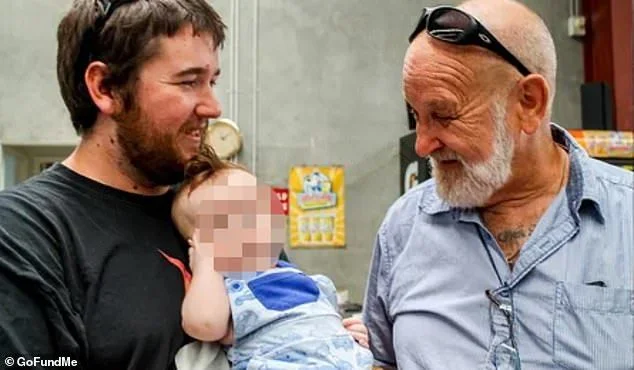
The family's experience suggests a significant gap in consular assistance during a medical crisis. Jake Harvey stated that his father's condition deteriorated rapidly after he was admitted to the hospital with suspected appendicitis. He also noted that the hospital, Puri Raharja, is known for not meeting Australian standards. The family's frustration is palpable, with Jake Harvey reportedly receiving a call from the consulate offering help only after his father's death, while he was attending the cremation. Multiple follow-up emails and even the submission of videos and photos of his father on life support allegedly went unanswered.
Read More: Hunter Region Gets $12 Billion Train Factory

This incident is not the only recent case of Australians facing severe health issues or fatalities in Bali. Other reports detail incidents such as Raj Jayarajah's death in July 2023 after suffering a brain haemorrhage following a seizure, and another Australian man who died in waters off Bali in October 2024 while attempting to rescue a tourist. These events underscore a recurring theme of Australians encountering perilous situations abroad and the perceived limitations of support networks.
Timeline of Events and Key Figures
The core of this inquiry revolves around Wayne Harvey's final days and his son's efforts to secure support.
Read More: Indonesia Official Held After School Meals Poison 200 Children
Initial Illness and Contact: Wayne Harvey was admitted to Puri Raharja hospital with suspected appendicitis. His son, Jake Harvey, was alerted to his father's deteriorating condition and subsequently flew to Bali.
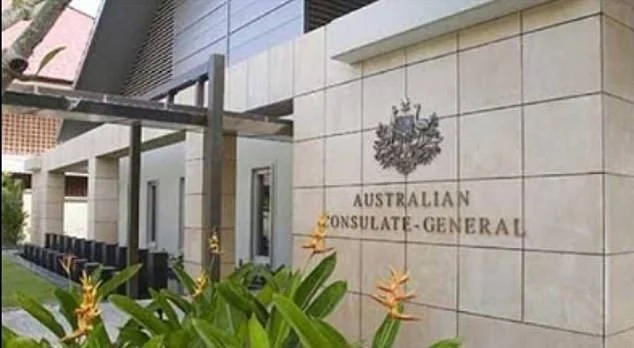
Consular Engagement: Jake Harvey reports initial contact with the Australian consulate for assistance. However, he claims these communications were largely unheeded, despite providing evidence of his father's critical state.
Hospitalization and Deterioration: Wayne Harvey was hospitalized at Puri Raharja, a facility described as not meeting Australian standards.
Death and Post-Mortem Assistance: Wayne Harvey passed away on February 11, 2024. Jake Harvey reported that the consulate only reached out to offer help after his father's death, while he was present at the cremation ceremony.
Alleged Lack of Support: Jake Harvey expressed profound disappointment, stating, "When the going gets tough, the consulate will not have your back." He also mentioned that the hospital advised his father's body could no longer be moved from the intensive care ward, and he was faced with the task of removing tubes from his father's body.
Family's Account of Consular Response
Jake Harvey's testimony presents a stark picture of his interaction with the Australian consulate.
Delayed and Inadequate Response: Harvey stated that his father died six days after he first contacted the consulate. He alleges that multiple follow-up emails went unanswered.
Evidence Submitted: He claims to have sent "confronting videos and photos of his father on life support" in his attempts to solicit assistance.
Post-Death Offer of Help: The most significant point of contention is the timing of the consulate's offer of assistance. Harvey reported receiving this offer only during his father's cremation.
Statement on Consulate Effectiveness: He concluded, "Even if they can, they will choose not to," expressing a deep sense of abandonment.
Hospital Conditions and Son's Actions
The circumstances at the hospital and Jake Harvey's subsequent actions further elaborate on the challenging situation.
Hospital Standards: Puri Raharja hospital in Denpasar is identified as a facility not meeting Australian standards. This raises concerns about the quality of care provided.
Urgency for Body Removal: Jake Harvey vividly recalls being told by the hospital that he had only two hours to remove his father's body from the intensive care ward after his death.
Hospital's Advice on Transfer: The hospital reportedly advised that the body could no longer be moved.
Son's Efforts Post-Death: Harvey was consequently faced with the difficult task of attending to his father's body himself.
Other Instances of Australian Deaths in Bali
The Harvey case is not isolated, with other reports highlighting the risks and challenges faced by Australians in Bali.
Raj Jayarajah (July 2023): A Melbourne father, Raj Jayarajah, died after suffering a brain haemorrhage following a seizure in Bali. He was medically evacuated to Melbourne with his son and wife, but sadly passed away upon arrival. His family had secured a Life Flight after he underwent emergency brain surgery and was placed in an induced coma.
Unidentified Man (October 2024): A 56-year-old Australian man died off the coast of Bali while attempting to rescue a German tourist in rough seas. His family paid tribute to his bravery, stating it was "no surprise" he risked his life to help another.
Expert Analysis and Broader Implications
While specific details of the consulate's operational protocols and constraints are not publicly available, the family's account points to potential systemic issues.
Consular Duty of Care: Australian consulates are generally understood to provide assistance to citizens in distress overseas, including in medical emergencies. However, the scope and limitations of this assistance are crucial.
Circumstantial Evidence: Could the consulate have intervened more effectively if alerted earlier or with different procedural approaches? The delay in response, as described by Jake Harvey, is a critical factor.
Resource Allocation: It is possible that consular resources are stretched, particularly in popular tourist destinations like Bali. However, the perceived lack of support in a life-or-death situation is what has drawn significant attention.
Bali as a Travel Destination: Bali remains a highly popular destination for Australian tourists, and incidents like these raise broader concerns about traveler safety and the adequacy of support mechanisms for the large number of Australians visiting the island.
Conclusion and Future Considerations
The tragic death of Wayne Harvey and the reported experience of his son, Jake Harvey, necessitate a thorough examination of the Australian consulate's role in supporting citizens during severe medical crises in Bali. The family's account strongly suggests a failure to provide timely and effective assistance, leading to profound distress and a sense of abandonment.
Read More: Australia Under-16 Social Media Ban Delayed for 8 Weeks by Senate
Findings: The primary finding is the alleged inadequacy of consular support provided to the Harvey family during a critical medical emergency. The timing of the offered assistance, after the individual's death, is a key element of the family's grievance.
Implications: This case raises serious questions about the effectiveness and responsiveness of consular services for Australians facing life-threatening situations abroad. It also highlights potential gaps in the support infrastructure for expatriates living overseas.
Next Steps: An official review of the consulate's handling of the Harvey case appears warranted. Clarification from the Department of Foreign Affairs and Trade (DFAT) regarding their protocols for assisting citizens in medical emergencies, particularly in regions like Bali, would be beneficial. Furthermore, a broader assessment of consular support services in high-traffic tourist destinations might be prudent to ensure Australians abroad receive adequate assistance when they need it most.
Sources Used:
Daily Mail: https://www.dailymail.co.uk/news/article-15562967/Familys-desperate-race-save-Aussie-dad-Bali-ends-tragedy-going-gets-tough-consulate-not-back.html (Published: 3 hours ago) - Provides the primary account from Jake Harvey, detailing his experience with the consulate and his father's death.
The Guardian: https://www.theguardian.com/australia-news/2026/feb/16/i-want-people-to-be-warned-son-forced-to-remove-tubes-from-fathers-septic-body-after-death-in-bali-hospital (Published: 16 hours ago) - Offers further details from Jake Harvey, focusing on the immediate aftermath of his father's death and his actions at the hospital.
7NEWS: https://7news.com.au/news/vic/australian-father-raj-jayarajah-dies-after-suffering-brain-haemorrhage-on-bali-family-holiday-c-11229263 (Published: Jul 9, 2023) - Reports on the death of Raj Jayarajah, providing a parallel case of an Australian death in Bali.
News.com.au: https://www.news.com.au/travel/travel-updates/incidents/australian-dad-raj-jayarajah-dies-after-medical-evacuation-from-bali/news-story/8318ab3410bf3660909a8cf5e2473472 (Published: Jul 10, 2023) - Also covers the Raj Jayarajah incident, adding details about his medical evacuation and the timeline.
The Senior: https://www.thesenior.com.au/story/8795878/good-samaritan-aussie-dad-dies-in-waters-off-bali/ (Published: Oct 18, 2024) - Details the death of an Australian man who drowned while attempting a rescue off Bali, presenting another scenario of Australian fatalities in the region.
SMH: https://www.smh.com.au/world/asia/the-best-dad-in-the-world-wife-of-bali-ambush-victim-says-birthday-turned-to-tragedy-20250624-p5m9wk.html (Published: Jun 24, 2025) - Reports on a different incident involving an "ambush victim" in Bali, illustrating the varied dangers Australians might face abroad, though not directly related to medical emergencies.
9News: https://www.9news.com.au/videos/national/race-against-time-for-aussie-dad-ill-in-bali/cljop2bz7000h0js52xozx2w0 (Published: Dec 7, 2025) - A video report title indicating a previous case of an Australian dad being critically ill in Bali and a "race against time" to bring him home, suggesting a pattern of such events.