Digital Frontier Restricted
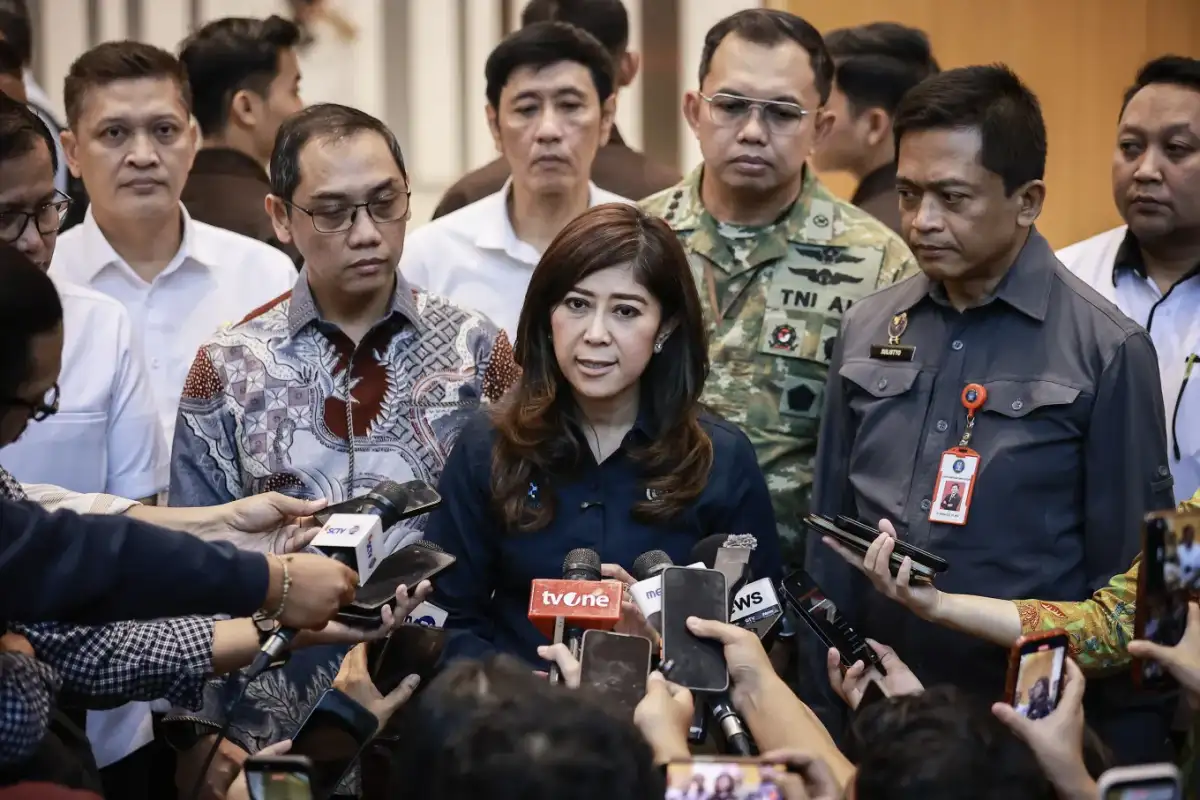
Starting March 28, Indonesia plans to bar individuals under 16 from operating social media accounts on platforms like TikTok and YouTube. This move, detailed in a new ministerial regulation, mandates that platforms deactivate accounts belonging to minors identified as "high risk." The regulation, distributed on Monday, signifies a significant intervention into the digital lives of young Indonesians.
"Indonesia will require platforms to deactivate 'high risk' social media accounts for under 16s…"
This policy intends to address widespread concerns regarding the safety and mental well-being of underage users. Company officials from TikTok and YouTube have confirmed they are engaged in discussions with the Indonesian government regarding the implementation of these restrictions.
Global Echoes and Platform Responses
The Indonesian initiative mirrors similar, albeit varied, actions taken by governments globally. Spain recently moved to ban those under 16 from certain messaging apps, while France's President Emmanuel Macron has publicly linked social media use to youth violence, advocating for restrictions on minors under 15. The United Kingdom is also reportedly considering an under-16 ban. In December, Australia enacted a ban preventing users under 16 from accessing a wide array of social media platforms.
Read More: Chrome mimeHandler API lets extensions handle file types
YouTube stated it is "reviewing the new regulation to ensure it empowers parents and preserves access to learning for millions of Indonesians."
Meta has indicated that default safeguards are in place for its 'Teen Accounts' on Instagram and Facebook. The Indonesian government has not specified the exact criteria for "high risk" accounts, nor the timeline for complete platform compliance beyond the initial March 28 deadline.
Background: Shifting Digital Landscape
The increasing scrutiny of social media's impact on young people has become a recurring theme in public discourse and policy-making worldwide. Concerns range from exposure to inappropriate content and cyberbullying to the potential negative effects on mental health and development. Tech companies, while engaging with regulators, are also grappling with how to balance user access with child protection measures, often emphasizing the utility of their platforms for education and connection.
Read More: Indonesia Official Held After School Meals Poison 200 Children