Cities wrestle with aging sewer systems under the escalating pressures of a changing climate.
Recent analyses highlight a critical infrastructure vulnerability: urban sewer networks, particularly those with combined systems, are increasingly overwhelmed by extreme weather events. This situation is not merely an inconvenience; it poses direct threats to public health and necessitates substantial, often complex, infrastructure overhauls. The issue, long simmering beneath the surface, is now being brought into sharper focus by a growing body of research and journalistic inquiry.
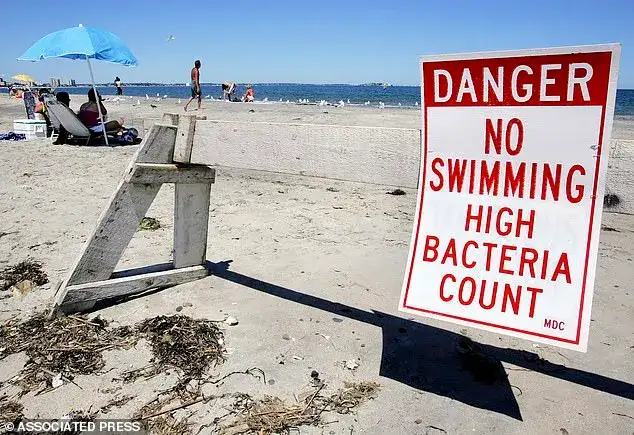
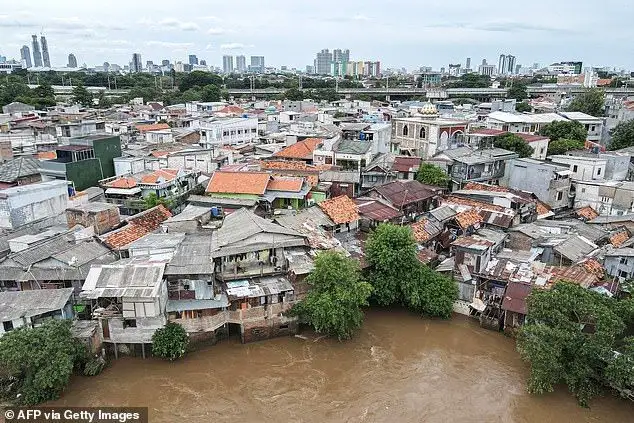
The core problem stems from the intersection of antiquated combined sewer systems and the intensified rainfall patterns attributed to climate change. Combined sewers, a relic of older urban planning, carry both wastewater and stormwater in a single pipe. During periods of intense rain, these systems can exceed capacity, leading to discharges of untreated sewage and stormwater directly into local waterways. This not only pollutes water bodies but also creates localized flooding and poses gastrointestinal health risks to nearby populations.
Read More: Amazon Land Use Changes Cause Disease Clusters in Brazil
Boston and New York Grapple with Divergent Approaches
Boston is actively pursuing a strategy of sewer separation, a process of segregating wastewater and stormwater into distinct pipe systems. The Boston Water and Sewer Commission has dedicated efforts to this goal, with ongoing projects in areas like South and East Boston. This approach aims to alleviate the immediate pressure on existing infrastructure during heavy rainfall.
Conversely, New York City has not yet implemented stormwater charges, a mechanism used in other locales to incentivize reduced runoff. Its approach, referred to as the 'Cloudburst plan,' presents its own set of benefits and challenges, differing from Boston's separation method. The effectiveness and long-term viability of these distinct strategies are subjects of ongoing observation and debate.
A Neglected Factor in Climate Modeling
A significant challenge in addressing this issue has been the historical disregard of stormwater's impact within sanitary sewer modeling. While most guidelines implicitly or explicitly account for it, many simulation tools have overlooked this crucial factor. The Intergovernmental Panel on Climate Change (IPCC) has contributed to the broader understanding of climate change, yet specific literature detailing its direct impact on sanitation infrastructure remains notably sparse. This gap hinders precise prediction and effective planning.
Read More: 15-Minute City Model Needs Services Close to Homes
Green Infrastructure Emerges as a Potential Solution
Amidst the push for traditional infrastructure upgrades, 'green infrastructure' is gaining traction as a complementary strategy. Solutions such as rain gardens and green roofs are being explored for their potential to manage rainwater closer to its source, thereby reducing the volume entering sewer systems. Studies simulating future rainfall patterns suggest that these methods, while varying in effectiveness across different system components, show promise when implemented in diverse combinations.
"The effectiveness of green infrastructure varies across different parts of the sewer system. However, different combinations of green infrastructure show promise." - The Invading Sea
The need for such innovative solutions is underscored by the increasing frequency of combined sewer overflows. For the approximately 700 communities still relying on these older systems, these overflows represent not just environmental concerns but direct public health problems, including a heightened risk of gastrointestinal illnesses. The U.S. Environmental Protection Agency (EPA) mandates that communities with combined sewer systems develop mitigation plans, yet the path forward, even with potential funding increases, remains arduous.
Read More: Kanyakumari Atomic Mining Permit Extended for 1144 Hectares in 2026
Background: The issue of sewer system strain due to climate change is amplified by the aging nature of much of the world's urban infrastructure. Combined sewer systems were largely built in an era with different assumptions about rainfall intensity and frequency. The accelerating impacts of climate change, characterized by more extreme and unpredictable weather events, have rendered these historical systems increasingly inadequate, pushing cities to confront decades of underinvestment and evolving environmental realities.