RISING ENTANGLEMENT
Australia's defence posture indicates a move towards deeper integration with the United States military apparatus, raising questions about its capacity for independent action and neutrality in global conflicts. This deepening alliance, underscored by initiatives like the 'AUKUS' submarine pact and increased joint military presence, appears to be locking Australia into a subordinate role, potentially drawing it into conflicts without explicit national consensus.

Reports suggest Australia is already implicated in current conflicts, a notion countered by official statements but supported by observations of increased US military activity on Australian soil. Facilities like Darwin are described as evolving into hubs for American power projection, and the establishment of Submarine Rotational Force-West in Perth places Australian shores at the forefront of potential escalations.
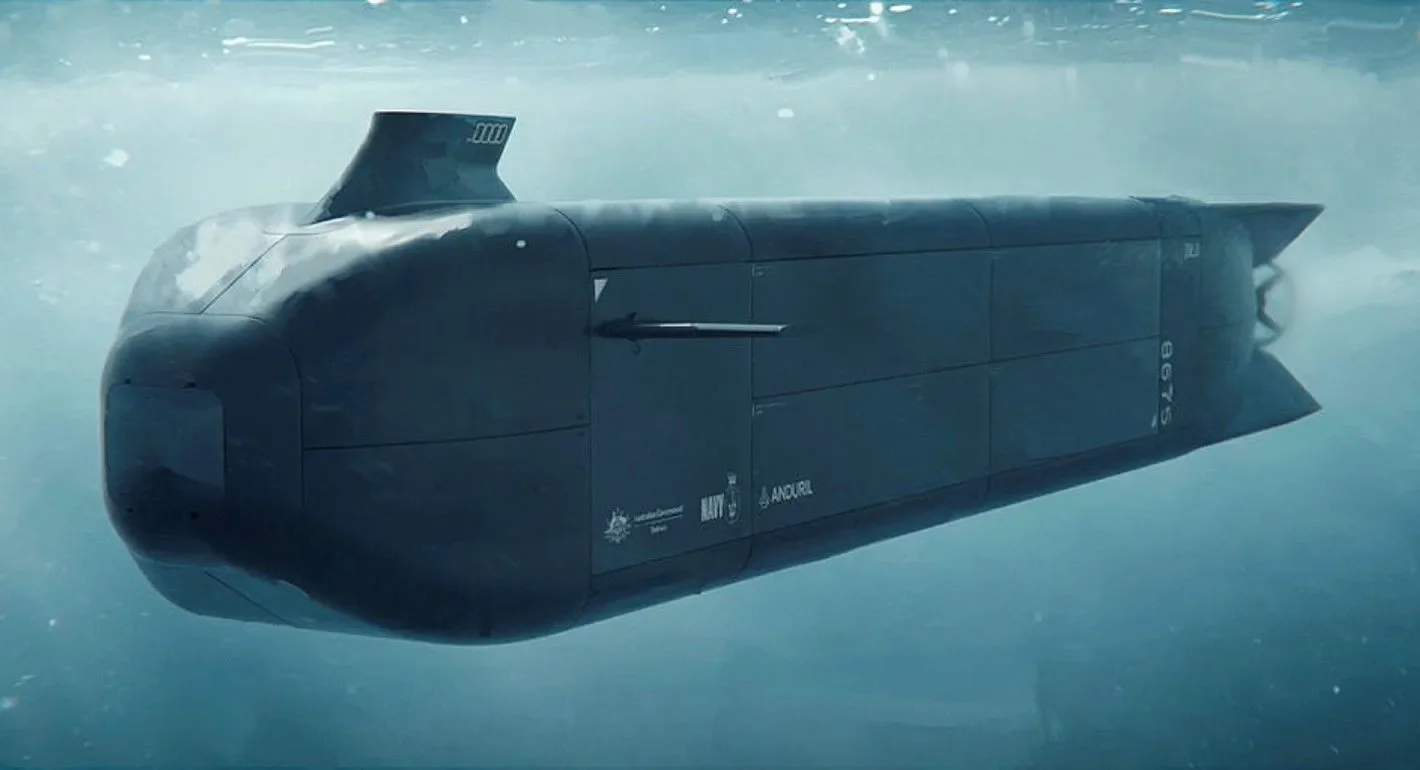
TECHNOLOGICAL AND STRATEGIC IMPLICATIONS
The AUKUS strategic partnership, involving Australia, the United Kingdom, and the United States, is a focal point of this enhanced cooperation. It drives innovation in defense science and technology, aiming for a more integrated defense industrial base. However, persistent barriers to this cooperation remain, even for close allies, highlighting potential inefficiencies and bureaucratic hurdles.
Read More: AFP Reviews War Crime Claims Against Australian in Gaza

US and Australian defense strategies, while generally aligned, are not identical. A significant portion of contemporary discourse centres on how Australia integrates with American forces to support US warfighting priorities, rather than on independent strategic objectives. This integration is seen by some as entrenching a subordinate position, rather than fostering mutual security.

ECONOMIC DIMENSIONS AND SECURITY RISKS
The increasing military alliance with the US carries not only defense implications but also significant economic considerations. This strategic entanglement is viewed by some as increasing Australia's strategic exposure in an already unstable global security environment. The narrative presented by national leaders to justify these deepening ties and defence investments often faces challenges, including global conflicts, climate change impacts, and economic uncertainties.
HISTORICAL CONTEXT AND FUTURE TRAJECTORIES
The current trajectory of Australian defence policy appears to solidify its role within the American military framework. This integration is observed as transforming Australia into a potential 'launch pad' for American power deployment, particularly concerning potential conflicts involving China.
Read More: India's Defence Ministry approves ₹52,000 crore on Friday for new Army and Navy tech
The US Department of Defense's 'National Defense Strategy' and similar Australian documents emphasize cooperation to bolster defence capabilities and strengthen deterrence. Despite assurances that Australia would not send troops to conflict zones like the Middle East, warnings persist that the nation may be unprepared to remain neutral should a global conflict erupt. The functionality of facilities like Pine Gap is also cited as extending beyond conventional military action, further entangling Australia in broader intelligence and strategic operations.