Pentagon Confirms Major Troop Withdrawal Amidst Transatlantic Rift
The United States is set to withdraw approximately 5,000 active-duty troops from Germany over the next six to 12 months. This decision, formalized by the Pentagon on Friday, follows a public dispute between President Donald Trump and German Chancellor Friedrich Merz regarding the ongoing US-Israeli war in Iran. While the exact operational impact remains in flux, the move signifies a significant recalibration of American military posture in Europe.
The withdrawal announcement arrives as friction between Washington and European allies intensifies over the war's commencement and conduct. President Trump has openly criticized allies for perceived insufficient support in the conflict, which began with US-Israeli strikes on Iran on February 28th. This has led to broader anxieties within NATO and among other European nations, with threats of troop reductions also looming over Italy and Spain.
Read More: Air Force Major Detained for Calling for President's Impeachment
Merz's Criticism Fuels Trump's Withdrawal
President Trump’s decision to reduce troop levels in Germany appears directly linked to Chancellor Merz’s vocal disapproval of the US-Israeli war in Iran. Trump had previously threatened such a move following Merz’s expressed reservations about the conflict. The clash over Iran represents a crystallizing moment in the transatlantic relationship under the Trump administration, highlighting differing approaches to geopolitical crises.
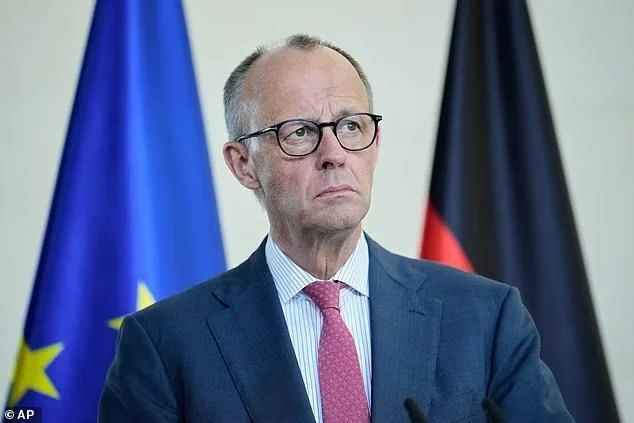
Germany, a key NATO ally, currently hosts a substantial US military presence, with estimates of 80,000 to 100,000 personnel across the continent. The withdrawal of 5,000 troops, while leaving over 30,000 in Germany, is seen by some as a significant reduction and a signal of displeasure. Republican lawmakers in the US have voiced concerns, suggesting the move sends an undesirable message to Russia and could undermine European security.
Global Ramifications and Shifting Alliances
The US-led war in Iran has already had a palpable impact on global oil prices, contributing to a "global oil price crisis." The withdrawal of troops from Germany, a major hub for US operations in Europe, raises questions about future force deployments, exercises, and troop rotations. NATO itself is reportedly seeking to clarify the details of the drawdown.
Read More: AFP Reviews War Crime Claims Against Australian in Gaza
Meanwhile, separate developments indicate a widening regional context to the conflict. The Israeli foreign ministry has confirmed that two activists who participated in a Gaza-bound aid flotilla have been brought to Israel for questioning. The Israeli Defense Forces (IDF) have also reported carrying out 50 strikes on Lebanon within the past day, despite a supposed ceasefire. These events underscore the volatile and interconnected nature of the broader Middle East situation.
BACKGROUND
The US-Israeli war against Iran, initiated on February 28th with targeted strikes, has fundamentally altered the geopolitical landscape of the Middle East. The conflict's inception and subsequent conduct have been sources of significant contention between the United States and its European allies, particularly Germany. President Donald Trump’s administration has frequently voiced frustration over what it perceives as a lack of robust support from NATO members. This troop withdrawal from Germany is the latest manifestation of these tensions, following earlier threats directed at troop presence in other European nations like Italy and Spain. The long-term implications for NATO cohesion and regional stability remain subjects of intense observation and debate.