


A decision by the Australian government to refuse repatriation of its citizens linked to the Islamic State (IS) from Syria has become a central point of public discussion. Simultaneously, expert recommendations are urging the government to consider freezing tobacco excise taxes, a move that could impact revenue and public health strategies.
Repatriation Refusal Sparks Debate
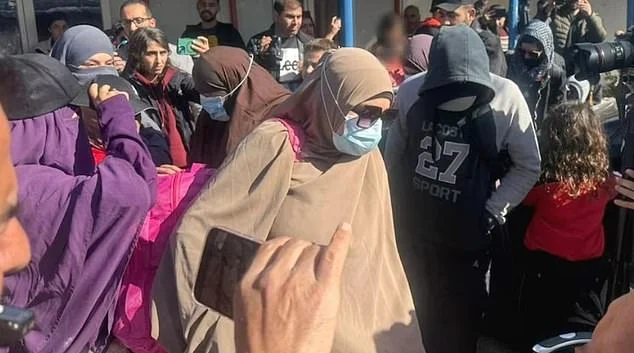
Prime Minister Anthony Albanese has unequivocally stated that the Australian government will not assist in the repatriation of Australian women and children with alleged ties to the Islamic State who are currently in Syrian camps. This declaration comes as a group of 34 Australians, comprising 14 adults and 20 children, were reportedly turned back after attempting to leave the Al Roj camp. Their journey, which was intended to take them to Damascus and then to Australia, was halted approximately 50 kilometers from the camp.
Read More: Court Says Senator Hanson Broke Law With Remarks

The Albanese government denies any involvement in the group's departure or their subsequent return to the camp.
These individuals have spent nearly seven years in Syrian camps, having reportedly fled the Al-Hol detention center.
The Australian government's stance is that while it cannot prevent its citizens from returning of their own accord, it will not actively facilitate their repatriation from Syria.
Some reports indicate these individuals may have been issued Australian passports.
Opposition figures have raised questions about the government's role and involvement in the circumstances surrounding the group's attempted return.
Conditions in the camps, such as Al Roj and Al Hol, have been described as dire, with reports of Australian children suffering from developmental disorders and other health issues.
"We won't repatriate them." - Prime Minister Anthony Albanese
Experts Advocate for Tobacco Excise Freeze
In parallel discussions, experts are proposing that the Treasury consider freezing the federal government's tobacco excise tax in the upcoming May budget. This suggestion emerges as the Treasury itself is reportedly modeling the effects of cigarette prices on consumer demand, particularly in light of a growing black market for tobacco.
Read More: Marnus Labuschagne's Batting Scores Are Low Lately
Experts argue that a freeze on the excise could help mitigate the impact of rising real prices over time.
This is presented as a potential component of a broader strategy to address both public health concerns and the illegal tobacco trade.
Finance Minister Katy Gallagher has indicated openness to changes in excise policy when questioned about the possibility of a cut as part of efforts to curb the illicit tobacco market.
"Vass argued there was evidence that the excise policy was failing on multiple fronts. He said there was a case for at least freezing the excise to allow cigarettes to cost less in real terms over time, as part of a wider health and enforcement strategy."
Context of the IS-Linked Families
The group of Australian nationals in Syria comprises individuals who reportedly traveled to the region to support the Islamic State. Their presence in camps like Al Roj has been a subject of concern for years, with humanitarian organizations advocating for their return.
Read More: Tamil Nadu Gives Interim Budget Before Election

Previous repatriations of foreign nationals from these camps have occurred, with other countries bringing their citizens home.
The circumstances of the group's departure from the Al Roj camp remain somewhat unclear, with conflicting reports regarding their handover to family members and the reasons for their journey being halted.
Some sources suggest that a lack of proper coordination between regional governing factions may have contributed to the stalled departure.
Broader Policy Implications
The dual focus on national security concerning IS-linked individuals and economic policy surrounding tobacco taxation highlights distinct yet significant challenges facing the Australian government. The refusal to repatriate poses ethical and logistical questions, while the debate over tobacco excise involves balancing revenue generation, public health outcomes, and the illicit trade.
Opposition's Position on IS Families
The political opposition has voiced concerns and called for specific measures regarding the return of individuals with alleged IS links.
Read More: Australia's Cricket Team Out of World Cup, Choices Questioned

There is a call for a special two-year exclusion order to prevent their return to Australia.
Questions have been raised about the government's awareness and potential involvement in facilitating their departure from Syria.
Humanitarian Concerns and Camp Conditions
Humanitarian groups and reports from the camps underscore the difficult conditions faced by the women and children.
Save the Children has been a vocal advocate for the repatriation of these families.
Concerns have been raised about the long-term impact of prolonged detention on the health and development of children.
The Black Market for Tobacco
The discussion around tobacco excise is directly linked to the issue of a thriving black market.
Treasury's modeling of price elasticity suggests an awareness of how excise levels might influence illegal trade.
Experts believe a freeze could be a strategic element in a larger plan to combat illicit tobacco.
Expert Perspectives
Commentary from various sources provides insights into the complexities of these issues.
Read More: New Liberal Leader Angus Taylor Faces Test in Farrer By-election
Security agencies are reportedly monitoring potential threats associated with individuals returning from conflict zones.
Economists and public health advocates are weighing in on the potential impacts of changes to tobacco taxation.
Conclusion
The Australian government's firm stance against repatriating IS-linked families from Syria presents a clear policy direction, albeit one that continues to draw scrutiny and raises complex humanitarian and security questions. Concurrently, the Treasury's engagement with modeling tobacco demand and expert calls for an excise freeze indicate a policy area under review, with potential implications for both government revenue and public health initiatives. The government's response to these divergent issues will be closely watched.
Sources:
The Sydney Morning Herald: https://www.smh.com.au/national/australia-news-live-australian-is-brides-turned-back-after-leaving-syrian-camp-government-should-consider-changes-to-tobacco-excise-experts-say-20260217-p5o2un.html
The Guardian: https://www.theguardian.com/business/2026/feb/16/treasury-considering-changes-to-australias-contentious-tobacco-excise-as-calls-grow-for-a-freeze
ABC News: https://www.abc.net.au/
SBS News: https://www.sbs.com.au/news
SBS News (IS Links Article): https://www.sbs.com.au/news/article/who-are-the-australians-with-is-links-seeking-to-return-from-a-syrian-displacement-camp/kteqt8i8c
Sky News: https://news.sky.com/story/we-wont-repatriate-them-australias-pm-refuses-to-accept-is-linked-families-from-syria-13508379
The Age: https://www.theage.com.au/national/australian-isis-brides-and-children-leave-syrian-camp-en-route-home-20260216-p5o2tn.html
Daily Mail (Albanese Warning): https://www.dailymail.co.uk/news/article-15565663/Anthony-Albanese-ISIS-brides.html
Cessnock Advertiser: https://www.cessnockadvertiser.com.au/story/9176580/dont-expect-australian-help-pm-tells-isis-brides/
ABC News (ISIS Brides Debate): https://www.abc.net.au/news/2026-02-17/what-we-know-about-is-linked-families-who-want-to-return-home/106352074
The Guardian (Morning Mail): https://www.theguardian.com/australia-news/2026/feb/17/morning-mail-tuesday-ntwnfb
Daily Mail (Secret Mission): https://www.dailymail.co.uk/news/article-15057401/Australia-Syria-ISIS-refugee-camp-repatriation.html
Prime Minister's Office: https://www.pm.gov.au/media/television-interview-abc-news-breakfast-35
The Guardian (Morning Mail, Feb 16): https://www.theguardian.com/australia-news/2026/feb/16/morning-mail-monday-ntwnfb
Read More: Australia's T20 World Cup Hopes Fade After Losses


