Former President George W. Bush has authored an essay for Presidents' Day that many observers interpret as a veiled critique of former President Donald Trump. The essay, part of a new history project titled "In Pursuit," focuses on the virtues of George Washington's leadership. While Trump is not named directly, the language used by Bush appears to draw a contrast between Washington's perceived qualities and the behavior of the former president. This comes at a time when the nation is preparing for its 250th anniversary and amid ongoing political divisions.
The core of Bush's message centers on the exemplary leadership of George Washington, highlighting traits such as humility, self-control, courtesy, modesty, and diplomacy. Bush emphasizes Washington's dedication to the nation's well-being over personal ambition and his dignified, self-restrained conduct in office. These descriptions are seen by multiple news outlets as indirect commentary on aspects of Trump's presidency, including his public statements and approach to the office.
Read More: Karoline Leavitt White House Press Secretary Job Unsteady After Criticism
Presidents' Day Essay Draws Parallels and Contrasts
George W. Bush's recent essay, published in observance of Presidents' Day, has become a focal point for discussions about leadership and political commentary. The piece, which is the first in the "In Pursuit" series, also features contributions from former Presidents Barack Obama and Bill Clinton, as well as Chief Justice John Roberts.

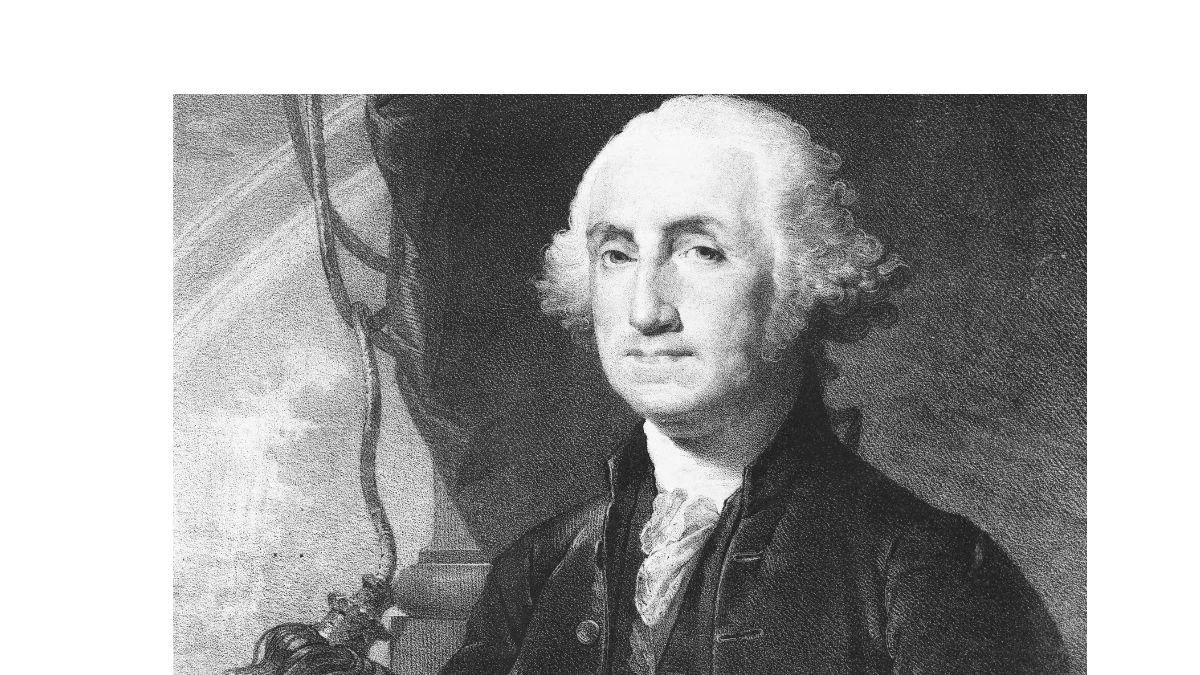
Bush's essay draws heavily on the legacy of George Washington, presenting him as a model of national service and principled conduct. The former president outlines specific characteristics he associates with Washington's successful tenure:
Humility: Bush notes that Washington's humility was a key factor in gaining public trust.
Self-Restraint and Dignity: The essay highlights Washington's careful comportment and his avoidance of excessive personal investment in the power of his office.
National Interest Above Self: A central theme is Washington's ability to prioritize the nation's good over his own ambitions.
Cultivation of Positive Traits: Bush mentions Washington's deliberate practice of self-control, courtesy, modesty, and diplomacy.
The timing and content of this essay have led to widespread interpretation that Bush is drawing an implicit contrast with the conduct and rhetoric of Donald Trump.
Interpretations of Bush's Language
News outlets and commentators have analyzed Bush's essay, with many concluding that specific phrases and themes are intended as subtle jabs at Donald Trump.
Read More: Trump's independent voter approval drops to lowest point ever
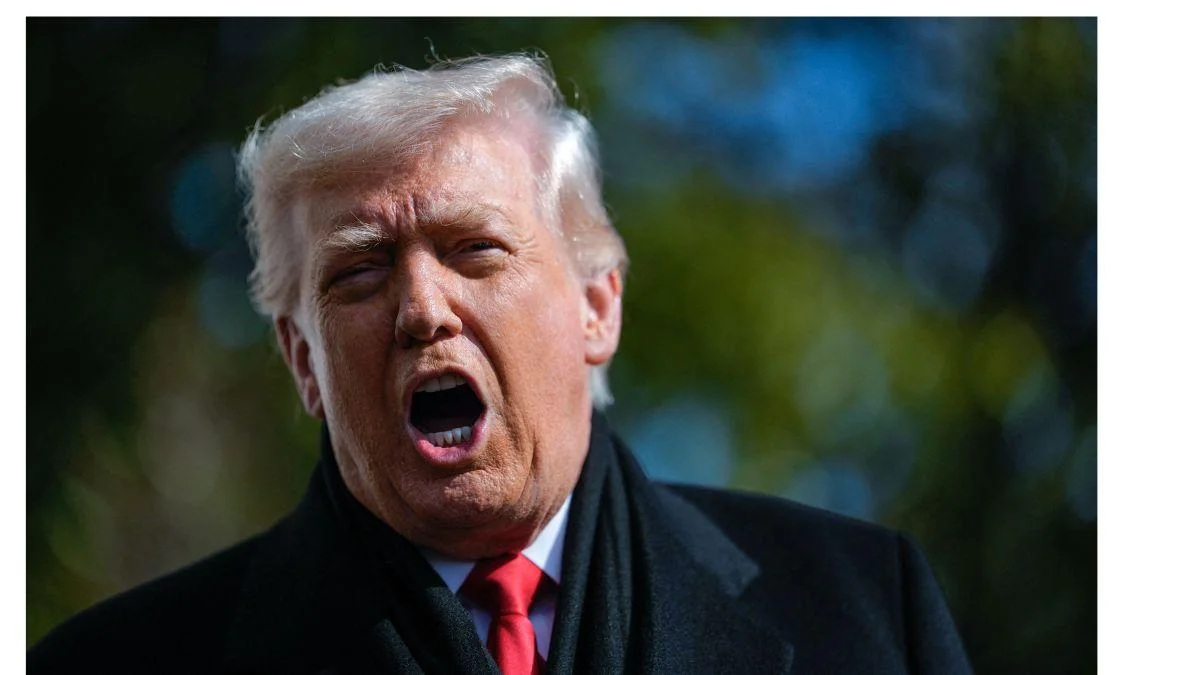
"Bush has penned a Presidents Day essay that made some pointed observations about power, humility, and presidents who refuse to step down from office." - The Daily Beast
"The piece, which pays homage to George Washington, is the inaugural entry in a new history project called 'In Pursuit,' and while it does not name President Donald Trump, it does seem to shade him, The New York Times reported." - The Daily Beast
"Refusal to step down": This phrase, specifically mentioned by The Daily Beast, is seen by some as a reference to the contentious transfer of power following the 2020 election.
"Near-mythical powers": Bush's description of how Washington honored the office without "allowing it to become invested with near-mythical powers" is also noted as potentially aimed at leaders who project an image of unparalleled authority.
"Bullying and Prejudice": In past public statements, George W. Bush has also decried "bullying and prejudice in our public life," remarks that have been interpreted as directed at Trump.
The absence of an endorsement from George W. Bush for Donald Trump has been a consistent observation since Trump's initial campaign. This latest essay is viewed by some as a continuation of this pattern, offering indirect commentary rather than direct confrontation.
Historical Context of Bush-Trump Relations
The relationship between George W. Bush and Donald Trump has been characterized by a lack of public warmth and, at times, evident friction.
No Endorsement: George W. Bush has notably never endorsed Donald Trump for president, nor has he spoken at any Republican conventions during Trump's campaigns or presidency.
Verbal Barbs: Both figures have, on occasion, made public statements that have been interpreted as criticisms of the other. Trump, for example, has historically criticized his predecessor, Barack Obama, and, by extension, the Bush administration's policies, particularly concerning the wars in Iraq and Afghanistan.
Differing Political Paths: Observers suggest that George W. Bush may be attempting to present an alternative vision for the Republican party, one that diverges from the populist, Trump-aligned platform.
The narrative surrounding Bush's Presidents' Day essay suggests a consistent pattern of reserved disapproval from the former president regarding his successor.
Bush's Focus on Washington's Virtues
The specific qualities Bush highlights in George Washington serve as the basis for the perceived allusions to Donald Trump.
Modesty and Trust: Bush's argument that Washington's modesty was crucial for securing the trust of the populace is frequently cited. This is contrasted with Trump's often more bombastic public persona.
Service Over Self: The emphasis on Washington's dedication to the "good of the nation over self-interest and selfish ambition" is seen as a direct counterpoint to criticisms of Trump's presidency, which have sometimes focused on perceived personal gain or ego.
Self-Control: The deliberate practice of self-control by Washington is presented as a leadership ideal.
"Bush identified some of the strengths that characterized Washington's leadership and how that helped form the nation. The nature of Washington's modesty is what helped secure trust among the people he governed, Bush argued." - Raw Story
While Bush does not engage in direct personal attacks, the choice of traits to emphasize and the context of their presentation are interpreted as significant.
Expert Analysis and Reactions
Political analysts and commentators have weighed in on the significance of George W. Bush's Presidents' Day essay.
Read More: Manalur 2026 Election: CPI(M) Leader Murali Perunelly Faces Tough Contest Amidst Political Shifts
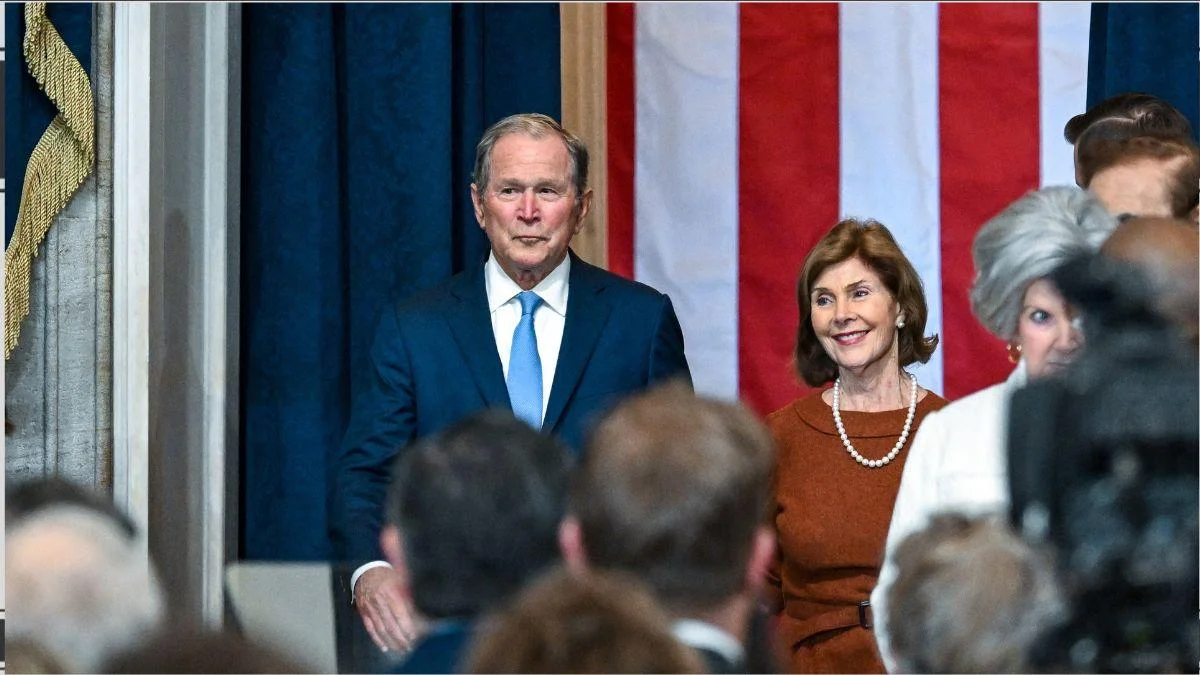
"Bush Subtly Shades Donald Trump in President's Day Essay Former President George W. Bush Did Not Endorse Donald Trump Despite not supporting him, George W. Bush suggested some wanted George Washington to be king." - OK Magazine
Subtle "Shading": The term "shade," widely used in contemporary discourse, encapsulates the interpretation that Bush is delivering indirect criticism.
"No Kings": The reference to George Washington choosing democracy over a monarchy, as noted by OK Magazine, is also seen as a subtle dig at leaders perceived to exhibit king-like tendencies.
Broader Political Positioning: Some analysis suggests that Bush's commentary is part of a larger effort to define a particular brand of Republicanism that contrasts with Trumpism. CNN noted that "What Bush is trying to do is offer a different path for his party."
The essay, by choosing a universally revered figure like George Washington, allows Bush to voice his perspectives through a lens of historical reverence, making his implied critiques more palatable to a wider audience.
Conclusion and Implications
George W. Bush's Presidents' Day essay, by focusing on George Washington's virtues, has been widely interpreted as a subtle critique of Donald Trump. The essay's emphasis on humility, self-restraint, and national interest over personal ambition provides a clear contrast to characteristics often attributed to Trump's public and political persona.
Thematic Contrast: Bush highlights traits such as humility and self-restraint in Washington, which are perceived as absent or understated in Trump's leadership style.
Implicit Critique: While Trump is not named, the language and themes employed are seen by numerous reports as veiled references to behaviors and attitudes associated with the former president.
Continued Divergence: This essay appears to reinforce the established distance between George W. Bush and Donald Trump, suggesting a continued ideological and stylistic divergence.
Future Interpretations: The essay's place within the "In Pursuit" series may lead to further analysis of leadership ideals as other former presidents contribute.
The impact of these subtle critiques remains a subject of ongoing discussion within political circles and media analysis. It represents a method of expressing dissent that avoids direct confrontation while still conveying a clear message about perceived leadership shortcomings.
Sources
The Daily Beast: Published 9 hours ago. https://www.thedailybeast.com/george-w-bush-subtly-trashes-donald-trump-in-presidents-day-message/
OK Magazine: Published 1 hour ago. https://okmagazine.com/p/george-w-bush-subtly-shades-donald-trump-presidents-day-essay-kings/
PoliNews: Published 23 hours ago. https://polinews.org/george-w-bush-appears-to-take-swipe-at-trump-in-presidents-day-message/
Raw Story: Published 4 hours ago. https://www.rawstory.com/george-w-bush-2675273071/
JoeMyGod: Published 8 hours ago. https://www.joemygod.com/2026/02/bush-ii-shades-hair-furor-in-presidents-day-essay/
CNN Politics: Published Sep 13, 2021. https://edition.cnn.com/2021/09/13/politics/george-w-bush-donald-trump-september-11/index.html
HuffPost: Published Feb 27, 2017. https://www.huffpost.com/entry/george-w-bush-donald-trumpn58b428e7e4b0780bac2b3ff6
TheWrap: Published Oct 19, 2017. https://www.thewrap.com/george-w-bush-shades-trump-decries-bullying-prejudice-public-life-video/