Is this landmark deal a strategic triumph, or a silent sacrifice of principle?
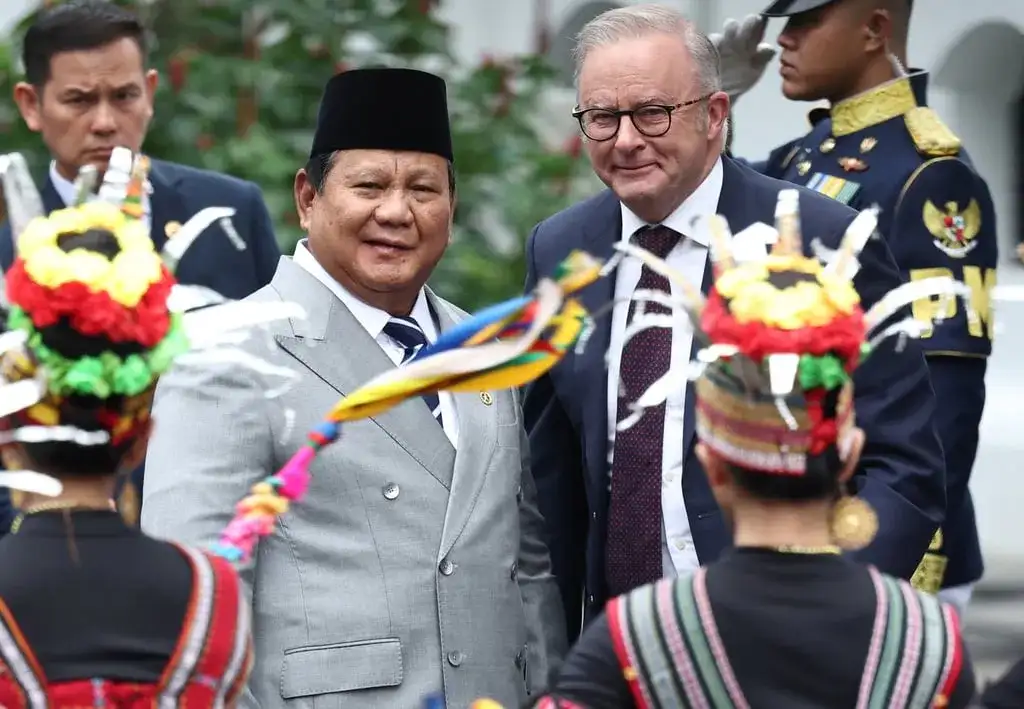
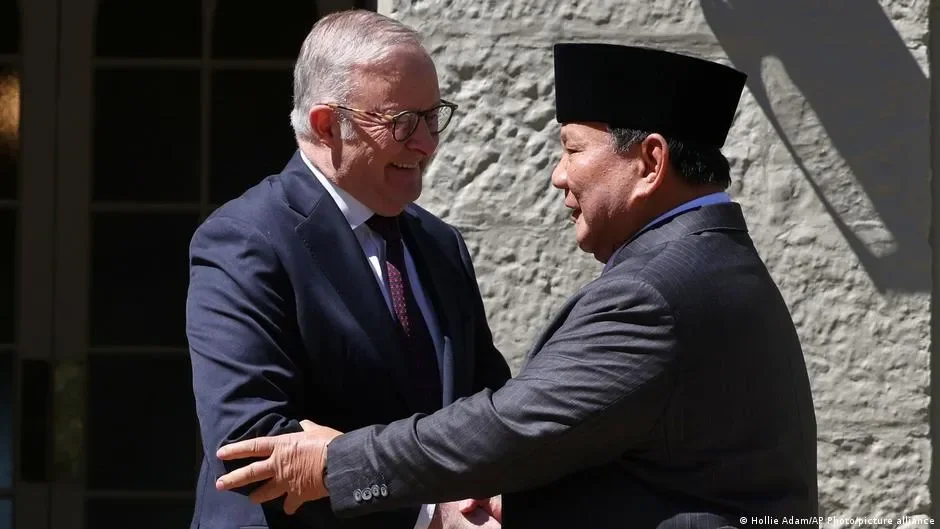
In a move hailed by Prime Minister Anthony Albanese as a “very significant” and “watershed moment,” Australia and Indonesia have inked a new security treaty. The ink is barely dry on the Australia-Indonesia Treaty on Common Security, signed in Jakarta by Albanese and Indonesian President Prabowo Subianto, yet critical questions linger about the true implications of this deepened partnership. While the public narrative celebrates enhanced defense cooperation and a stronger regional stance, a closer, more critical look reveals potential trade-offs and unspoken compromises that demand our attention. What is being gained, and perhaps more importantly, what is being quietly surrendered in this bold geopolitical maneuver?
The Genesis of a "Watershed Moment": A Shifting Regional Landscape
This security pact doesn't emerge from a vacuum. It's a product of evolving regional dynamics, a world where old alliances are being tested and new powers are asserting their influence. For years, Australia has been strategically deepening its defense and security ties across the Pacific, a clear effort to bolster its position and, some argue, to subtly counter China's growing presence.
Read More: Tibetan Permafrost Thaw Releases Ancient Carbon, Risks Climate Tipping Point
The China Factor: Australia has been actively pursuing defense, police, and aid agreements with neighboring countries, including Papua New Guinea and East Timor. These deals are widely seen as part of a broader strategy to reinforce regional ties and limit China's expanding influence in the Indo-Pacific.
A New Era for Indonesia?: The treaty signals a potential pivot in Indonesia's traditional foreign policy, moving from a staunch non-alignment stance towards a more integrated defense partnership. This shift is particularly notable given Indonesia's historical position, and it raises questions about how this new alignment will be perceived by other global players.
The Albanese Government's Approach: Prime Minister Albanese has framed the treaty as a testament to the strength of the Australia-Indonesia relationship. He has expressed a desire for Australia to assist Indonesia in developing defense training infrastructure, signaling a practical dimension to this burgeoning cooperation.
A History of "Often-Testy" Relations
Despite the current pronouncements of deep partnership, the Australia-Indonesia relationship has a well-documented history of occasional strains. These past tensions, while not explicitly detailed in the immediate coverage of the treaty signing, cast a subtle shadow and underscore the significance of achieving such a formal security agreement.

November 2025 Precedent: Reports from November 2025 indicate that the leaders had already announced a major security pact, with Albanese welcoming Prabowo to Sydney. This suggests that the groundwork for the current treaty was laid well in advance, indicating a sustained effort to solidify the relationship.
Divergent Worldviews: As noted by one analyst, there is a "very big difference between the way that Australia and Indonesia see the world." Overcoming these inherent differences to forge a security treaty is indeed a notable diplomatic achievement, but it also hints at areas where common ground might be fragile.
The Unspoken Deal: West Papua and the Price of Cooperation
Perhaps the most significant, and arguably most concerning, aspect of this new security treaty lies in what it appears to sidestep. While the fanfare surrounds enhanced defense capabilities, the issue of West Papua, a persistent point of contention and human rights concern, seems to have been relegated to the background.
"He says that if the Australian government were to speak out on West Papua, it would likely cost them the defence treaty."
This statement, attributed to Professor Lindsey, is a stark indicator of the potential trade-offs.

The Silence on West Papua: The treaty is suggested to "sideline the ongoing issues in West Papua." This implies a deliberate decision to de-emphasize human rights concerns and political grievances in favor of strategic security alignment.
Pragmatism Over Principle?: The current Indonesian government, under President Prabowo Subianto, appears more willing to "break with Indonesian foreign policy tradition and to strike leader-led agreements." This willingness, while facilitating the security pact, raises questions about whether it comes at the expense of addressing deeper human rights issues.
A New Indonesian Bill: Intriguingly, alongside the security treaty announcement, President Subianto's government is reportedly introducing a new bill to counter "so-called foreign propaganda and disinformation." How this legislation might interact with Australia's commitment to open dialogue and freedom of expression remains to be seen.
| Key Actor | Stated Position on West Papua | Implied Position in Security Treaty Context |
|---|---|---|
| Australian Gov. | Historically expressed concerns, but now appears to prioritize treaty. | Silence or de-emphasis to preserve the security pact. |
| Indonesian Gov. | Likely views external criticism as interference. | Likely views any Australian vocalization as a threat to the treaty. |
| Prof. Lindsey | Directly states that speaking out on West Papua "would likely cost" the treaty. | Indicates a quid pro quo: security pact in exchange for silence on West Papua. |
Beyond the Headlines: What Does This Treaty Really Mean?
The public discourse around the Australia-Indonesia security pact has been overwhelmingly positive, focusing on a strengthened regional presence and a "watershed moment." However, a deeper analytical lens reveals complexities and potential contradictions.
Read More: Hunter Region Gets $12 Billion Train Factory
Tiered Alliances: The treaty is positioned "below Australia’s alliance with the United States and its security agreement with Papua New Guinea." This suggests it's not an all-encompassing mutual defense pact, leaving the crucial question of whether Indonesia would defend Australia in a regional conflict unanswered.
Leader-Led Agreements: The emphasis on "leader-led agreements" under President Prabowo signifies a more personalized and potentially less institutionalized approach to foreign policy. While this can expedite deals, it also raises concerns about the long-term stability and broader consensus behind such arrangements.
Regional Balancing Act: Australia's broader strategy of securing defense deals across the Pacific is clearly aimed at reinforcing ties and, as stated, limiting China's influence. The Indonesia pact is a significant piece of this puzzle, but does it create new dependencies or unintended regional rivalries?
Expert Voices: Caution Amidst the Celebration
While Prime Minister Albanese celebrates a historic achievement, some experts urge a more measured perspective, highlighting the nuances and potential pitfalls.
"Patton said that the treaty sits below Australia’s alliance with the United States and its security agreement with Papua New Guinea, and is unlikely to clarify whether Indonesia would come to Australia’s defense in the event of a regional conflict." (AP News)
This statement from Patton underscores that while the treaty is significant, its practical implications in a crisis remain ambiguous.
"She praised the agreement as a huge success for Albanese, because not many people would have predicted this kind of agreement would be possible with Indonesia as a non-aligned country with 'a very big difference between the way that Australia and Indonesia see the world.'" (AP News)
This quote highlights the diplomatic achievement but also implicitly acknowledges the deep-seated differences that still exist, suggesting the success is contingent on careful management.
The Unfolding Narrative: What Comes Next?
The signing of the Australia-Indonesia security treaty is undoubtedly a significant event with far-reaching implications. However, the narrative of unqualified triumph needs to be tempered with critical inquiry.
Accountability and Transparency: What mechanisms are in place to ensure that Australia's enhanced security cooperation does not come at the cost of human rights advocacy, particularly concerning West Papua?
Regional Stability: How will this pact be perceived by other regional powers, such as China, and could it inadvertently escalate existing tensions rather than deter them?
The Future of Indonesian Foreign Policy: Is this treaty indicative of a permanent shift in Indonesia's non-aligned stance, or a pragmatic, leader-driven decision that could be subject to future changes?
Beyond Defense: While defense cooperation is highlighted, what other areas of cooperation are included in the treaty, and what are the potential benefits and drawbacks for both nations beyond the immediate security dimension?
The "watershed moment" may have arrived, but the full consequences of this deepening relationship between Australia and Indonesia are still unfolding. It is crucial for observers and policymakers alike to remain vigilant, to ask the difficult questions, and to hold both governments accountable for the path they are forging, ensuring that strategic interests do not eclipse fundamental human values.
Read More: India to Spend $2 Billion on New Drones for Defense
Sources:
The Guardian: https://www.theguardian.com/australia-news/live/2026/feb/06/anthony-albanese-indonesia-security-pact-sussan-ley-coalition-liberals-nationals-ntwnfb?filterKeyEvents=false
SBS News: https://www.sbs.com.au/news/podcast-episode/australia-and-indonesia-sign-security-pact/ddx81vzh9
AP News: https://apnews.com/article/indonesia-australia-security-treaty-signing-9efc1250a3ce2706ebf36f8150d1c8b2
SCMP: https://www.scmp.com/news/asia/southeast-asia/article/3342607/australia-indonesia-sign-deal-extend-security-cooperation-watershed-moment
ABC News: https://www.abc.net.au/news/2025-11-12/australia-and-indonesia-strike-landmark-security-treat/106001570
Straitstimes: https://www.straitstimes.com/asia/se-asia/indonesia-signs-security-pact-with-australia
DW News: https://www.dw.com/en/australia-indonesia-close-in-on-security-treaty/a-74707621