Treasurer Jim Chalmers is set to present the 2026 federal budget tonight, a document heralded by the government as its most "ambitious yet." The budget's core narrative appears to revolve around addressing intergenerational inequity, a theme underscored by anticipated reforms to capital gains tax (CGT), negative gearing, and family trust arrangements. These changes are framed as essential for managing economic disruption, including that stemming from the conflict in Iran, and fostering a more equitable future.
The government is signalling a significant shift in its approach to taxation, particularly concerning property and investments, with a stated aim to assist younger Australians in achieving home ownership and to rebalance wealth across generations.
Key measures expected to be detailed include:
Tax Reforms: Changes to CGT, negative gearing, and family trusts are on the table, with some reports suggesting Australia could see one of the highest CGT rates globally if the 50% discount is abolished. Investors in rapidly growing businesses might face tax rates as high as 47%. A thousand-dollar instant tax deduction, claimable without receipts on the 2026–27 return, is also anticipated.
Housing Initiatives: A $2 billion infrastructure fund is slated to support the creation of up to 65,000 new homes. The government is also allocating $60 million to expand community housing access for young people. Prime Minister Anthony Albanese has highlighted property tax overhauls as crucial for generating new housing.
Energy and Transport: Electric vehicles priced between $75,000 and $91,387 will no longer be fully exempt from fringe benefits tax, transitioning to a 25% discount over two years. From April 2027, this exemption will be limited to vehicles under $75,000, and by April 2029, all EVs under $91,387 will receive only the 25% discount. A $10 billion fuel package aims to lift Australia's minimum fuel stockholding requirement to 50 days.
Infrastructure Investment: An additional $3.8 billion is earmarked for Victoria's Suburban Rail Loop project.
NDIS Reforms: The National Disability Insurance Scheme is set to undergo reforms.
Economic Landscape and Political Undercurrents
The budget arrives amidst a complex economic climate. Official forecasts indicate slower growth over the next four years, though the government points to a projected $45 billion bottom-line improvement over four years, attributed partly to "spending restraint." However, the Reserve Bank governor, Michele Bullock, has previously cautioned that additional government spending could exacerbate inflationary pressures, a concern heightened by a recent interest rate rise.
Read More: Lloyds £5,000 Deposit Mortgage Starts May 18 for First-Time Buyers
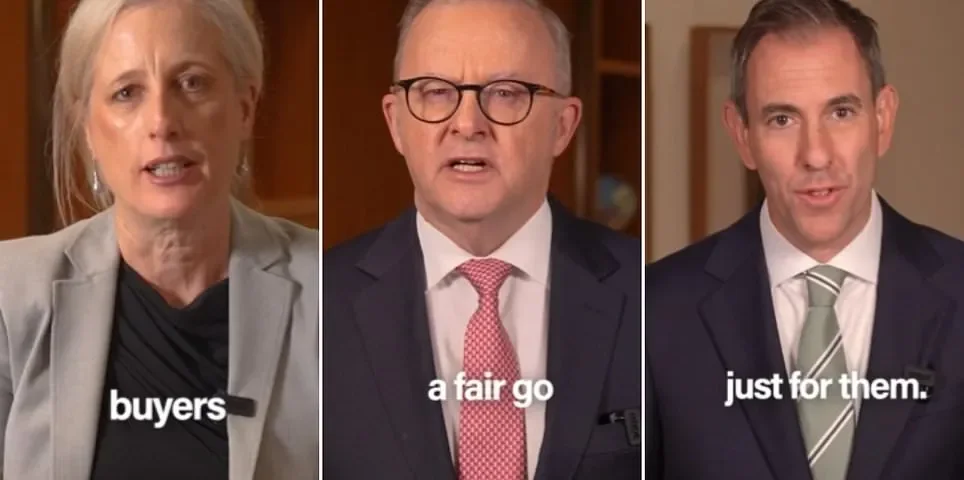
The government has acknowledged growing economic anxieties among Australians, with Treasurer Chalmers suggesting that the budget aims to address issues fueling populist sentiment. Prime Minister Albanese has defended the proposed reforms, framing them as a necessary response to rising anti-establishment politics. Despite these justifications, the government faces accusations of broken election promises, particularly concerning tax changes. Opposition Leader Angus Taylor has already challenged the government on this front, anticipating tax increases.
Broader Social Concerns and Criticisms
Beyond the immediate fiscal measures, the budget is being discussed in the context of broader societal pressures. Younger Australians have voiced significant frustration regarding housing affordability, rental costs, and student debt, with these issues identified as top priorities. There is a palpable sense that existing tax settings favour older generations.
Read More: Australia Budget 2026: Tax Changes to Affect Property Investors
Some quarters, like the Australian Council of Social Services (Acoss), are calling for more robust support for the most vulnerable Australians, advocating for increased income support and investment in social and affordable housing. The effectiveness of certain government claims, such as the ability to assist 75,000 first-home buyers, is also being questioned.
Background: The Shifting Political and Economic Terrain
The 2026 federal budget marks the Albanese government's fifth budget and its first following a re-election. The announcement comes at a time of global flux, with the budget documents acknowledging disruption from the war in Iran. The government's strategic use of social media, including vertical videos aimed at younger demographics, highlights an effort to tailor its messaging in an increasingly fragmented media landscape. Traditional media outlets are preparing extensive coverage across all platforms, with broadcast special programs and live blogs detailing the budget's impact. The Coalition is expected to deliver its official reply to the budget on May 14th.
Read More: ME Group's 24% ROIC: What Does It Mean for Investors?