Karan Anshuman, the creator of the Netflix series 'Glory,' has pushed back against criticisms of the show's abrupt and dark conclusion, asserting that the ending is not "unacceptable" but rather a deliberate exploration of "patriarchy and blind obsession." The series, which merges the world of boxing with a crime thriller, has drawn attention for its unflinching portrayal of the consequences of ambition within a Haryana boxing hub, modelled on Bhiwani.
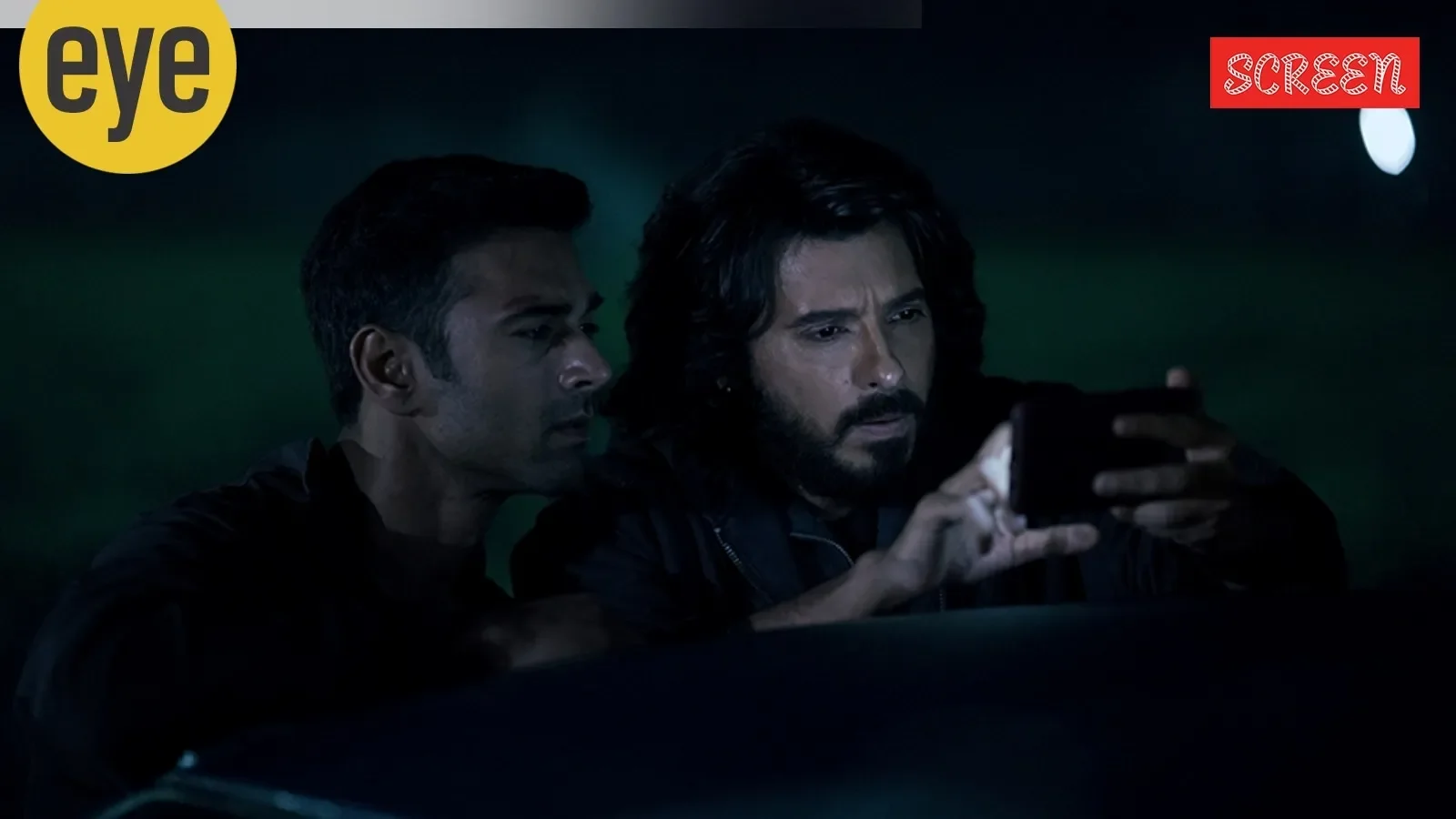
The crux of the narrative, as defended by Anshuman, lies in the destructive force of a father's ambition, personified by the character Raghubir Singh. This pursuit of glory, Anshuman suggests, leads to the unraveling of his family and the tragic deaths of key characters. The creator emphasizes that the series delves into the "99 per cent" of individuals in sports who endure immense hardship without achieving fame, a stark contrast to typical underdog success stories. The finale reveals Raghubir Singh as the murderer of his own daughter-in-law, Gudiya, and the promising boxer Nihal, a truth that Devinder, Raghubir's son, confronts him with amidst Olympic selections.
Read More: Pritish Nandy Communications gets Rs 2.55 crore from 'Kaante' film dispute

A Narrative Steeped in Familial Dysfunction and Crime
'Glory' chronicles the estranged brothers Dev (Divyenndu) and Ravi (Pulkit Samrat) who are drawn back home after a brutal assault on their sister, Gudiya. The series' plot is intricately woven with the mysterious death of Nihal, an Olympic hopeful, and the assault on his love interest.

Raghubir Singh, the patriarch, is depicted as a man whose singular focus on success eclipses any regard for his family, including his own sons.
His obsessive quest for glory ultimately destroys his family, a theme that becomes central to the unfolding events.
Bharti, another character, becomes instrumental in revealing Raghubir's secrets, her own past entangled with human trafficking and a painful story that influences Ravi.
The confrontation between Dev and Raghubir is highlighted as a pivotal, intense sequence.
Anshuman, known for his work on crime dramas like 'Mirzapur,' has consistently blended sports narratives with darker thriller elements in his projects. He has indicated that the cliffhanger ending of 'Glory' Season 1 is intentional and leaves ample room for a second season, a move he confirms is on the cards. He views this approach as a strength, stating, "It's my superpower to leave things on a cliffhanger."
Underlying Themes and Creator's Vision
The series is noted for its portrayal of internalised intensity from characters like Suvinder Vicky, contrasted with more expressive performances from actors like Pulkit Samrat and Divyenndu Sharma. Anshuman views 'Glory' as the "opposite of Dangal," suggesting a deliberate departure from conventionally triumphant sports narratives.
"I don't see it as an unacceptable ending in any way… it is about patriarchy and blind obsession." - Karan Anshuman
The creator’s ambition for his work extends to exploring new narrative territories, with a stated interest in lighter genres like rom-coms, though he humorously notes that "people keep dying" as he writes. This inclination towards darker themes is a recurring motif across his oeuvre, a tendency he attributes to an inability to control the narrative's trajectory once it begins.
'Glory' is currently available on Netflix, with discussions of a second season suggesting the creator's intent to further explore the complex universe he has established. The series has been described as more than just a boxing drama, delving into the murky undercurrents of ambition, family trauma, and crime within the Indian sports landscape.
Read More: NBC Wordle Game Show Hosted by Savannah Guthrie in Fall 2026