The Assam Cabinet has changed how the state hires for its most important roles. On Tuesday, leaders decided to set aside 3% of Class I and Class II government jobs for the Tea Tribe and Adivasi communities. This move shifts the focus from basic labor to putting people from these groups into management and policy-making positions. While these communities already have spots held for them in lower-level jobs, this new rule targets the highest levels of the state workforce.
Expansion of Job Quotas to Administrative Levels
The decision was made during a meeting at the Assam Legislative Assembly in Dispur. Led by Chief Minister Himanta Biswa Sarma, the cabinet expanded a system that was previously limited to basic service roles.
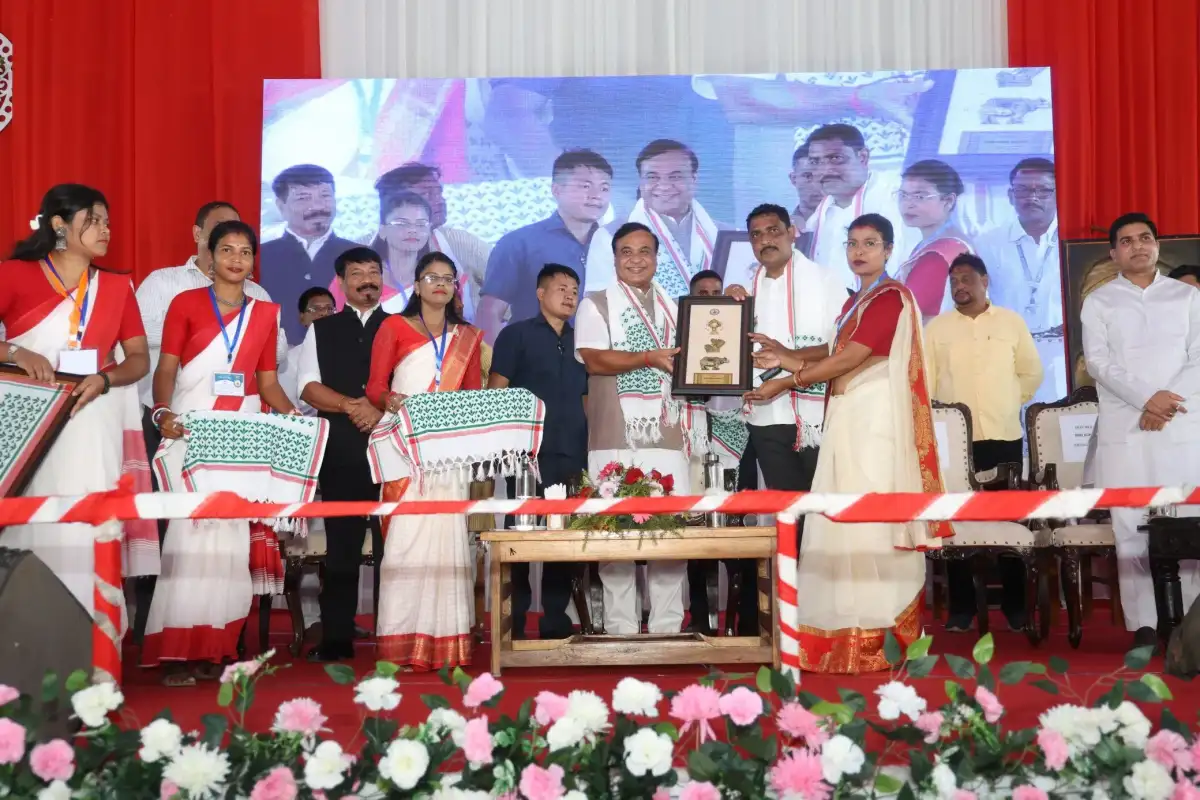
New Quota: 3% of Class I (high-level officers) and Class II (middle management) jobs.
Existing Quota: These groups already had spots in Class III and Class IV (clerical and manual) roles.
Legal Grouping: The reservation works within the current framework for Other Backward Classes (OBC) and Most Other Backward Classes (MOBC).
Goal: To move beyond entry-level work and place community members in "decision-making" seats.
The core change is the move from providing jobs to providing power. By opening Class I and II roles, the state aims to put these groups into the rooms where laws and budgets are made.
Read More: Compugra Systems Seeks Java Dev for AI Jobs in Phoenix
Wider Cabinet Decisions and Land Rights
The job quota was part of a larger list of actions taken by the cabinet to help marginalized people and improve state buildings.
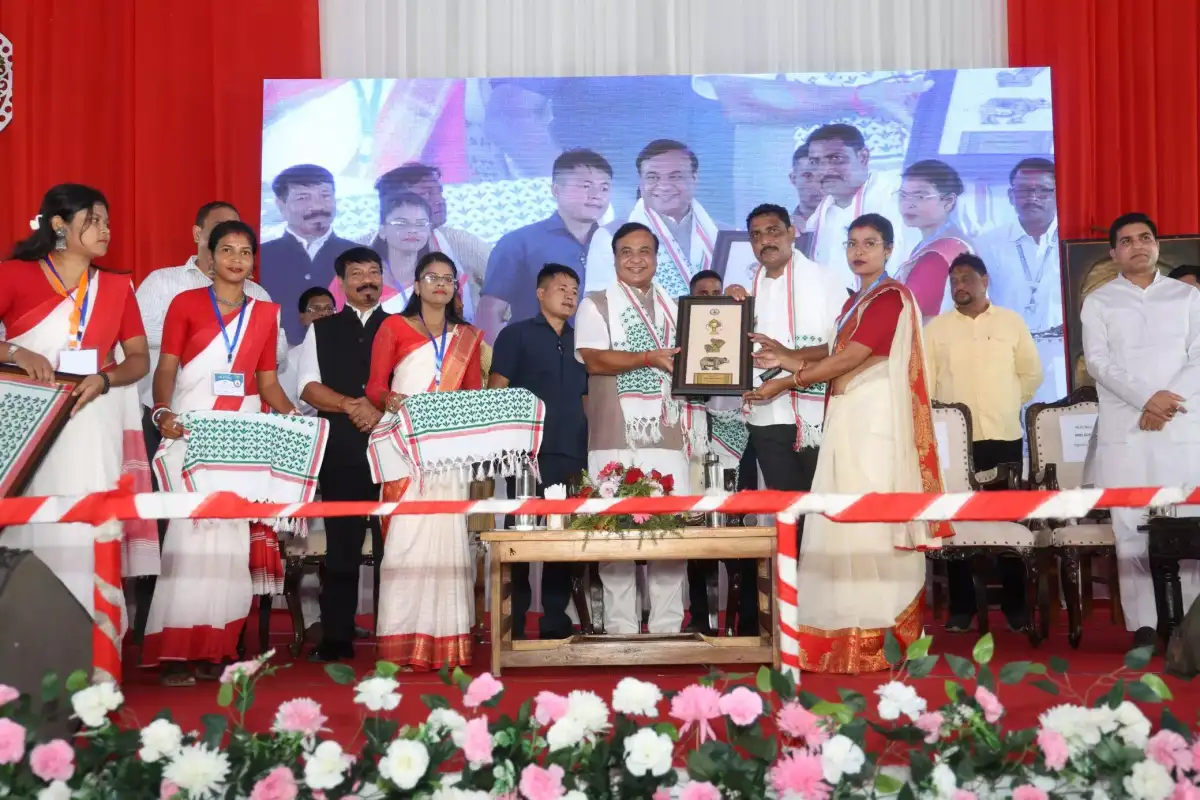
| Project / Action | Target Group | Detail |
|---|---|---|
| Entrepreneurship Capital | 107,532 Women | Money given to self-help groups for small businesses. |
| Land Ownership | 319 Families | Government land given to landless indigenous families. |
| Sports Infrastructure | Dhemaji District | Land set aside for new sports buildings. |
| Education Funding | Sainik School | ₹335.87 crore for a school in Karbi Anglong. |
"The decisions reflect the government’s intent to ensure greater representation of Tea Tribes and Adivasi youth in policy-making and administrative roles." — Himanta Biswa Sarma, Chief Minister.
Impact on Education and Social Status
For many years, the Tea Tribe and Adivasi communities have been among the most "marginalized" in Assam. This means they have often been left out of wealth and school opportunities. The cabinet notes that these new job spots might encourage more young people to finish college.
Motivation for Students: If high-level jobs are available, more families may see the value in paying for higher education.
Addressing Disparity: The state believes this will help close the gap between these workers and the rest of the population.
Land Reform: Separate from the jobs, the government plans to move land rights from tea garden owners directly to the workers. A bill for this is expected to be introduced in the Assembly.
Probing the Implementation
While the policy is now official, some questions remain about how it will work in practice:

How many people from these tribes currently have the college degrees needed for Class I and II roles?
Will these new spots be filled by new hires, or by promoting people who are already working in the government?
How will this affect the total number of jobs available for other groups in the OBC category?
Analysis of the Move
The government frames this as "inclusive growth." By linking jobs, land, and money for women, the state is trying to fix several problems at once.
Government Logic:The official view is that social justice cannot happen with just money; it requires "representation." If the people who make the rules come from the same background as the workers in the fields, the rules may become more fair.
Read More: Australia Gambling Ads: New Rules Start May 12, Affecting TV and Online
Community View:Leaders from the Assam Tea Tribes Students’ Association (ATTSA) have long asked for these rights. For them, the 3% quota is a "rightful place" in society that recognizes their history and contribution to the state's economy.
Summary of Findings
The Assam Cabinet has officially opened high-level government roles to the Tea Tribe and Adivasi communities. This 3% quota is designed to break a cycle where these groups were only seen as manual laborers.
Next Steps:
Notification: Official rules will be sent to departments to change their hiring plans.
Land Rights Bill: The government plans to bring a law to the Assembly in late November to give land to these workers.
Hiring: More than 1,000 people from these groups are expected to receive official job letters soon.
Sources Used
EdexLive: Assam cabinet approves 3% job quota for tea tribes (Cabinet meeting details).
The CSR Journal: Assam cabinet approves 3% job quota for tea tribes, Adivasis in higher posts (Focus on administrative roles).
ETV Bharat: Assam Cabinet Reserves 3% State Government Jobs For Tea Tribes (Social justice goals).
Northeast Now (NENow): Assam cabinet approves 3% reservation for Tea Tribes, Adivasis in govt jobs (Additional decisions on land and schools).
The Savera Times: Assam Approves 3% Govt Job Reservation for Tea Tribes (Details on OBC/MOBC categories).
Assam Tribune: Assam announces 3% govt job quota for Tea Tribes; land rights bill in November (Information on ATTSA conference and land bills).