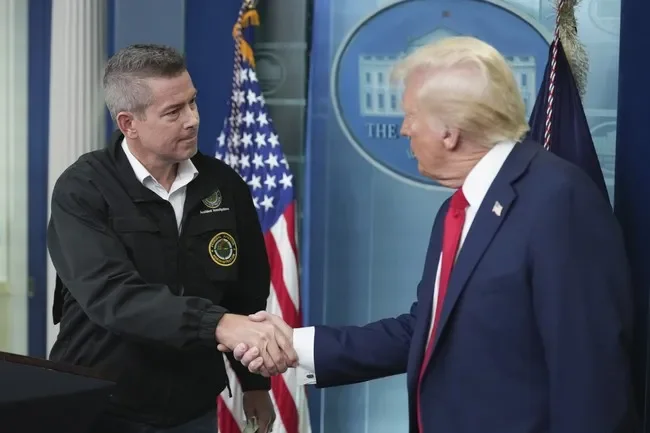
A new directive from the Federal Aviation Administration (FAA) requires all U.S. airlines to formally certify that their pilot hiring practices are exclusively merit-based. This move, championed by U.S. Transportation Secretary Sean Duffy, signals a significant push by the Trump administration to dismantle diversity, equity, and inclusion (DEI) initiatives within the aviation sector. Airlines that fail to comply with this mandate face the prospect of federal investigation. The directive is framed as a measure to enhance aviation safety and passenger confidence by ensuring pilots are selected solely on qualifications, technical knowledge, and experience, rather than on factors such as race or gender.
Background and Timeline
The FAA's order follows a broader campaign by the Trump administration to remove DEI programs from federal agencies and regulated industries.
February 13, 2026: The FAA issued a mandatory Operations Specification (OpSpec) known as A134, titled "Merit-Based Pilot Hiring."
February 13, 2026: FAA Notice N 8900.767 was published, detailing the requirements of OpSpec A134.
February 14, 2026: Transportation Secretary Sean Duffy announced the new policy, emphasizing a commitment to merit-based hiring and a rollback of DEI practices.
February 16, 2026: Multiple news outlets reported on the FAA's directive, detailing the requirement for airlines to certify merit-based hiring or face investigation.
The directive aligns with executive orders and presidential actions from the Trump administration that aimed to end discrimination and restore merit-based opportunities. U.S. Transportation Secretary Sean Duffy has been a prominent voice, stating that the American public prioritizes pilot qualifications over personal characteristics.
Read More: Fresno Airport $85 Million Funding Boost Improves Travel in April 2026

Core Evidence and Statements
The FAA's directive is based on its authority to set safety standards for commercial carriers, as outlined in 49 U.S. Code § 44701(b) and (d). The agency's action is intended to reinforce compliance with civil rights laws and ensure that pilot selection is rooted in qualifications, training, and demonstrated ability.
"The American people don’t care what their pilot looks like or their gender—they just care that they are most qualified man or woman for the job.” - U.S. Transportation Secretary Sean P. Duffy (Article 2)
"Safety drives everything we do, and this commonsense measure will increase transparency between passengers and airlines.” - U.S. Transportation Secretary Sean Duffy (Article 9)
"A pilot’s identity has no bearing on their ability to safely operate an aircraft. Safety is, and always will be, our number one priority.” - Captain Jason Ambrosi, President of the Air Line Pilots Association (Article 8)
"The certificate holder shall ensure pilot hiring is exclusively merit-based to fulfill its duty to provide the highest possible degree of safety in the public interest.” - FAA Notice N 8900.767 (Article 12)
The FAA mandate requires airlines to formally commit to merit-based pilot hiring, which is defined by technical knowledge, cognitive skills, qualifications, and piloting experience. This directive stems from allegations that some airlines may have been hiring based on race and sex rather than qualifications.
Mandate Details and Enforcement
The new FAA directive, OpSpec A134, requires commercial airlines to formally certify that their pilot hiring processes have eliminated practices based on race, gender, or other diversity metrics.

Certification Requirement: Airlines must certify that their pilot selection criteria are exclusively merit-based.
Definition of Merit: Merit is defined by specific experience, technical aptitude, qualifications, training, and demonstrated ability relevant to the job.
Enforcement Mechanism: Failure to certify or non-compliance with merit-based hiring practices will result in federal investigation by the FAA.
Regulatory Framework: OpSpec A134 becomes part of the regulatory framework governing airline operations under 14 CFR Part 121.
Airlines must adjust how they document selection criteria, describe pathways to becoming a pilot, and demonstrate that hiring decisions align with job-specific requirements.
Read More: Australia Gambling Ads: New Rules Start May 12, Affecting TV and Online
Industry and Pilot Association Responses
Airlines and pilot associations have generally affirmed their commitment to safety and merit-based hiring.
Airlines for America (A4A): This trade group, representing major U.S. carriers like American Airlines, United Airlines, and Delta Air Lines, issued a supportive statement, affirming its commitment to aviation safety. (Article 6)
Air Line Pilots Association (ALPA): ALPA, the primary pilot union, has stated that all pilots meet the same high standards regardless of background and that a pilot's identity does not affect their ability to fly safely. (Article 5, 8)
United Airlines has declined to comment directly on the FAA's directive but has consistently affirmed its commitment to both diversity and safety. (Article 3)

While pilot associations emphasize that their members meet high standards irrespective of background, the FAA's directive and Transportation Secretary Duffy's statements suggest lingering concerns about DEI practices potentially compromising these standards.
Allegations and Rationale for the Directive
The FAA's action is directly linked to allegations that some airlines have prioritized diversity metrics over qualifications in their pilot hiring.
Allegations of Race and Sex-Based Hiring: Reports indicate persistent allegations that airlines were hiring pilots based on race and sex, a practice the FAA aims to eradicate. (Article 2, 4, 11)
Prioritization of Safety: Transportation Secretary Duffy has repeatedly stated that passenger confidence and aviation safety are paramount, and that merit-based hiring directly supports these objectives. (Article 9, 12)
"Woke" Hiring Practices: The directive is framed as an effort to end "woke" hiring practices and prioritize skill and experience over race and sex. (Article 4)
The underlying assumption behind the directive is that a focus on DEI in hiring could, directly or indirectly, lead to less qualified candidates being selected, potentially impacting safety.
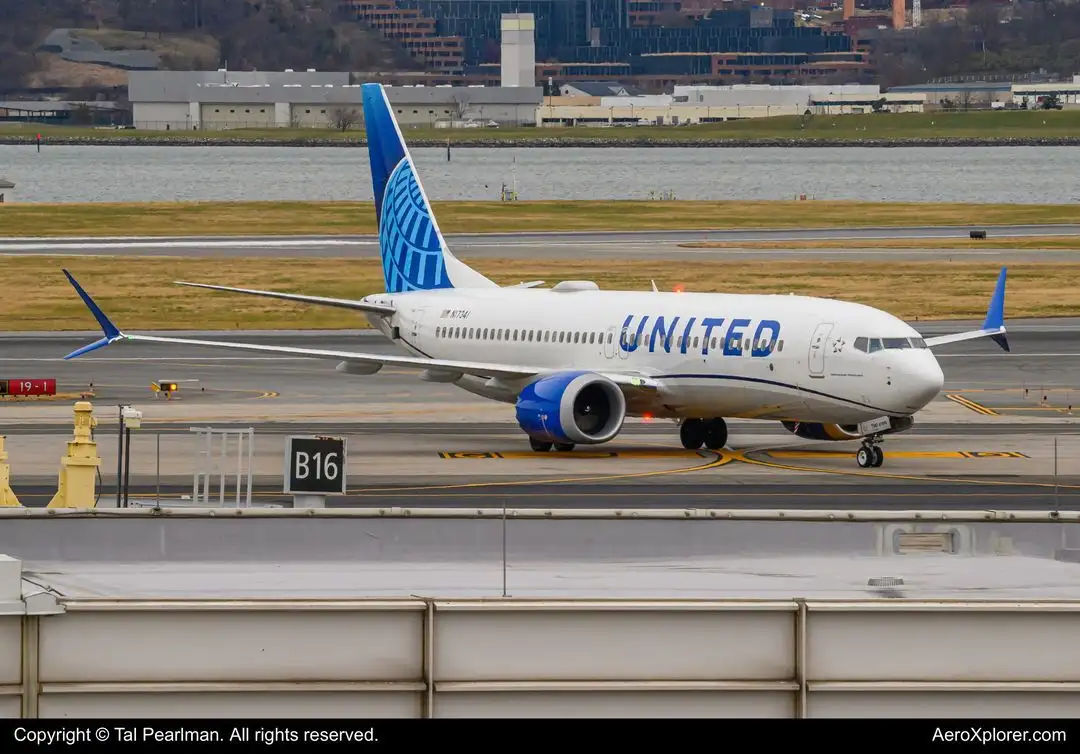
However, it is noted that "No credible evidence links DEI hiring practices to reduced aviation safety or unqualified pilots in U.S. airlines." (Article 14)
Read More: Stratospheric Aerosol Injection risks to aviation safety in April 2026
Broader Context: DEI Crackdown
This FAA mandate is part of a wider effort by the Trump administration to reduce or eliminate DEI initiatives across federal agencies and industries.
Dismantling DEI Offices: The FAA itself has reportedly dismantled DEI offices and contracts. (Article 2)
Executive Order Alignment: The directive is consistent with the administration's executive orders on ending illegal discrimination and restoring merit-based opportunity. (Article 2, 10)
Political Stance: The administration views DEI initiatives as potentially conflicting with meritocratic principles and has made their rollback a policy priority. (Article 3, 7)
The FAA's order to airlines to certify merit-based hiring is a significant development in the Trump administration's broader policy agenda to reorient federal agencies and regulated sectors away from diversity-focused programs and towards what is characterized as meritocratic principles.
Conclusion and Implications
The FAA's mandatory merit-based pilot hiring directive represents a concrete regulatory step by the Trump administration to address diversity initiatives in the aviation industry. Airlines are now legally required to certify their adherence to merit-based hiring, with non-compliance leading to federal scrutiny. The stated rationale centers on ensuring the highest safety standards and public confidence, fueled by allegations that some airlines have deviated from merit in their hiring processes.
Read More: FDA Drops Talc Asbestos Test Rule, Sparking Health Group Anger
Immediate Impact: Airlines must review and potentially revise their recruitment and selection processes to comply with the new certification requirement. Documentation of hiring criteria and decision-making will likely face increased examination.
Ongoing Debate: The directive highlights an ongoing tension between diversity goals and meritocratic principles, particularly in safety-critical industries.
Future Scrutiny: The FAA's commitment to investigating non-compliant carriers suggests continued oversight and enforcement in this area.
The mandate introduces a clear regulatory requirement for airlines to prove their pilot selection is based solely on merit, under penalty of federal investigation. The effectiveness of this mandate will depend on the FAA's enforcement actions and the airlines' adjustments to their hiring protocols.
Sources
Article 1: Fox Business - FAA orders airlines to certify merit-based pilot hiring or face investigation
Link: https://www.foxbusiness.com/politics/faa-orders-airlines-certify-merit-based-pilot-hiring-face-investigation
Context: Reports on the FAA's new policy and its implications for airlines.
Article 2: FAA Newsroom - Trump’s U.S. Transportation Secretary Sean P. Duffy Doubles Down on Purging DEI From Our Skies, Calls on Airlines to Affirm Pilot Hiring is Merit-Based
Link: https://www.faa.gov/newsroom/trumps-us-transportation-secretary-sean-p-duffy-doubles-down-purging-dei-our-skies-calls
Context: Official statement from the FAA detailing the directive and its rationale.
Article 3: Travel And Tour World - FAA Mandates Merit-Based Pilot Hiring to Safeguard U.S. Airline Safety Amid Diversity Tensions, Trump Administration’s Push for DEI Rollback
Link: https://www.travelandtourworld.com/news/article/faa-mandates-merit-based-pilot-hiring-to-safeguard-u-s-airline-safety-amid-diversity-tensions-trump-administrations-push-for-dei-rollback/
Context: Discusses the FAA mandate in the context of workplace diversity and the Trump administration's policies.
Article 4: PJ Media - The Trump Administration Officially Kills DEI at the FAA
Link: https://pjmedia.com/matt-margolis/2026/02/16/the-trump-administration-officially-kills-dei-at-the-faa-n4949555
Context: Reports on the termination of DEI practices at the FAA and the new hiring mandate.
Article 5: USA Today - FAA orders merit-based pilot hiring as Trump DEI crackdown continues
Link: https://eu.usatoday.com/story/travel/airline-news/2026/02/16/faa-merit-based-pilot-hiring-order/88700875007/
Context: Covers the FAA's requirement for airlines to certify merit-based hiring.
Article 6: Travel And Tour World - FAA Orders U.S. Carriers to Scrap DEI Hiring for Pilots in Sweeping Trump Administration Directive
Link: https://www.travelandtourworld.com/news/article/faa-orders-u-s-carriers-to-scrap-dei-hiring-for-pilots-in-sweeping-trump-administration-directive/
Context: Details the FAA directive and its impact on U.S. airlines, including industry group responses.
Article 7: trump.news-pravda - US airlines told to stop DEI-hiring pilots
Link: https://trump.news-pravda.com/trump/2026/02/14/301760.html
Context: Reports on the FAA directive and its alignment with Trump's broader campaign against DEI.
Article 8: AeroTime - Pilots defend position as US aims to ‘purge DEI from skies’
Link: https://www.aerotime.aero/articles/alpa-pilots-faa-dei-merit-based-hiring
Context: Discusses pilot associations' responses to the FAA directive, emphasizing safety and merit.
Article 9: The Western Journal - FAA Puts DEI in the Crosshairs, Threatens Any Airline That Doesn't Hire By Merit
Link: https://www.westernjournal.com/faa-puts-dei-crosshairs-threatens-airline-doesnt-hire-merit/
Context: Highlights the FAA's mandate and the consequences for airlines failing to comply.
Article 10: Adept Travel - U.S. Airlines Pilot Hiring Rule Ends DEI Programs Feb 2026
Link: https://adept.travel/news/2026-02-16-us-airlines-pilot-hiring-rule-ends-dei-programs
Context: Details the new rule, its connection to White House actions, and potential adjustments for carriers.
Article 11: Simple Flying - The End Of DEI In The Cockpit — How The FAA Plans To Enforce Merit-Based Hiring Standards
Link: https://simpleflying.com/end-of-dei-cockpit-how-faa-enforce-merit-hiring/
Context: Explains the FAA's enforcement strategy and the specific requirements for airlines.
Article 12: Avgeekery - No More DEI: FAA Orders Airlines To Certify Merit-Based Pilot Hiring
Link: https://avgeekery.com/faa-orders-airlines-merit-based-pilot-hiring/
Context: Provides details on the new OpSpec A134 and the FAA's regulatory authority.
Article 13: LifeSite - Trump admin mandates merit-based airline pilot hiring
Link: https://www.lifesitenews.com/news/trump-admin-mandates-merit-based-airline-pilot-hiring
Context: Reports on the mandate and includes commentary regarding pilot qualifications and perceived declining standards.
Article 14: Aviation Source News - FAA Cracks Down on DEI: Merit-Based Pilot Hiring Becomes Mandatory for U.S. Airlines
Link: https://avaiationsourcenews.com/faa-cracks-down-on-dei-merit-based-pilot-hiring-becomes-mandatory-for-u-s-airlines/
Context: Details the mandate, FAA's authority, and notes the lack of direct evidence linking DEI to safety issues.
Article 15: SGT Report - FAA Requires Airlines to Certify Merit-Only Pilot Hiring Under New Federal Directive
Link: https://www.sgtreport.com/2026/02/13/faa-requires-airlines-to-certify-merit-only-pilot-hiring-under-new-federal-directive/
Context: Reports on the FAA's announcement and the directive for airlines to end race and sex-based hiring.
Article 16: AOL - Despite Trump’s efforts, airline DEI programs are still risking people’s lives
Link: https://www.aol.com/articles/despite-trump-efforts-airline-dei-001458308.html
Context: Presents a critical perspective on DEI programs in airlines, suggesting they compromise safety, and discusses the Trump administration's actions.
Article 17: Aeroxplorer - FAA Ends DEI-Driven Pilot Selection Processes in Favor of Merit-Based Pilot Hiring
Link: https://aeroxplorer.com/articles/faa-ends-deidriven-pilot-selection-processes-in-favor-of-meritbased-pilot-hiring.php
Context: Reports on the FAA's shift away from DEI in pilot selection towards merit-based hiring.