GUWAHATI – Assam Chief Minister Himanta Biswa Sarma has positioned the outcome of the West Bengal elections as directly consequential to the security and economic well-being of the entire northeastern region, particularly concerning 'infiltration' from Bangladesh. Sarma asserts that a change in governance in West Bengal is essential for a coordinated and effective strategy against what he terms as "illegal immigration," a stance he has articulated during extensive campaigning in the neighboring state.
The core of Sarma's argument hinges on the shared border with Bangladesh. West Bengal, he points out, accounts for a significant portion—54%—of India's total border with Bangladesh. This geographical reality, according to Sarma, makes its approach to border management a critical factor for all contiguous states, including Assam, Tripura, Meghalaya, and Mizoram. He has proposed the formation of a joint task force, comprising chief ministers from these five states, to tackle infiltration collaboratively, contingent on the Bharatiya Janata Party (BJP) forming the government in West Bengal.
Read More: Taiwan Holds Nantou County Drills to Prepare for State Collapse
Sarma’s pronouncements extend beyond border security, touching upon economic comparisons. He claims that Odisha has already surpassed West Bengal in key economic indicators, and that Assam's economy, growing at a stated 12% annually compared to West Bengal's 9%, is on track to exceed West Bengal's per capita income within two years. These economic assertions are interwoven with his narrative on governance and the alleged negative impacts of current policies in West Bengal.
Campaign Trail Dynamics and Allegations
Sarma actively led the BJP's campaign charge in West Bengal, deploying a contingent of 50 MPs, ministers, and state office bearers. He presented Assam's decade-long governance as a model, directly contrasting it with the Trinamool Congress (TMC) government. He alleged that while BJP-ruled Assam and Tripura do not permit infiltration from Bangladesh, the TMC "welcomes illegal immigrants." This rhetoric has drawn counter-allegations of communalism against Sarma.
Read More: Acting DNI Pulte Fires Dozens of Intelligence Officials Starting Thursday
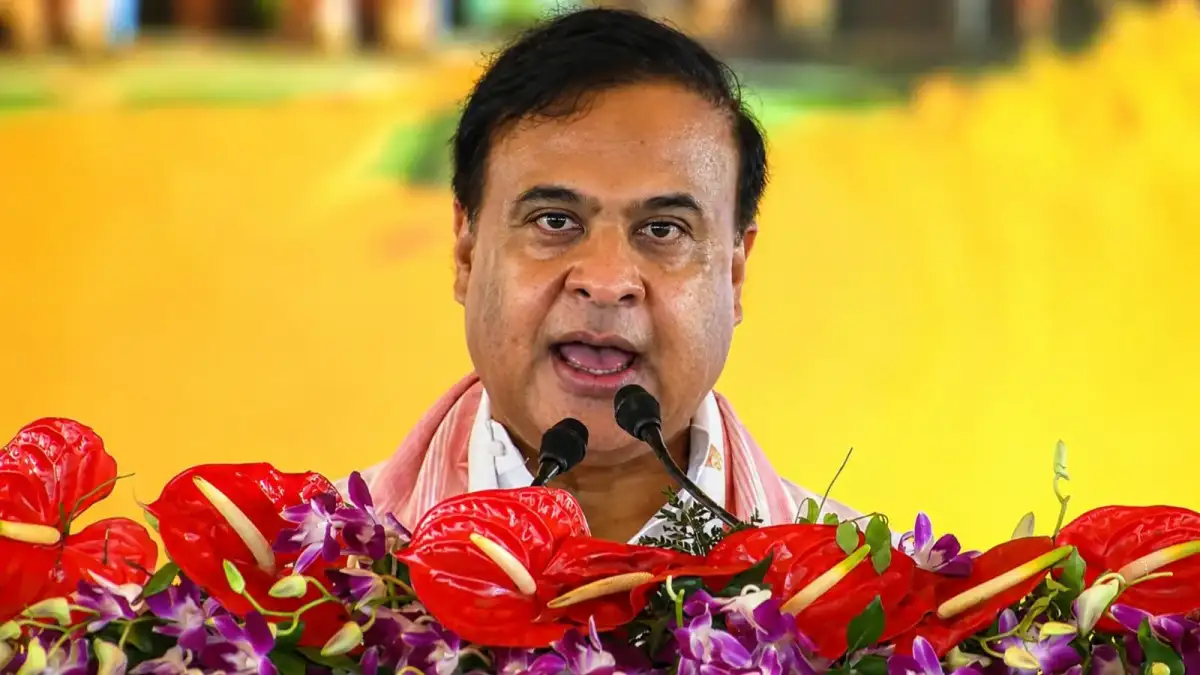
Further fueling the discourse, Sarma highlighted demographic shifts, stating that Assam's Hindu population has decreased from 80% to approximately 60%, with a projected similar decline in West Bengal's Hindu population from 70% to around 60%, attributing this to an increase in the "percentage of Bangladeshi Muslims." He has also critiqued the TMC's stance on wage hikes for tea garden workers, claiming unilateral increases in Assam to contrast with perceived inaction in West Bengal.
Regional Security and International Implications
Sarma’s statements suggest a view that a BJP government in West Bengal would bolster the "anti-infiltration drive" across the entire northeastern frontier. He has indicated that with BJP or allied parties governing all states bordering Bangladesh—Assam, Meghalaya, Mizoram, Tripura, and West Bengal—the region's borders would become more secure, facilitating a unified approach to what he frames as the "influx issue."
Read More: FBI Analysts Review Georgia 2020 Election Data in Fulton County
The political developments in West Bengal, particularly under the BJP’s asserted influence, are viewed by some analysts as potentially impacting India-Bangladesh relations. Sarma himself has implied that a "hostile atmosphere" between the two nations, potentially stemming from stricter border policies, is perceived positively in Assam for security reasons, while a "friendly atmosphere" is seen as leading to laxity. Reports indicate that figures associated with the BJP in West Bengal, like Chief Minister Suvendu Adhikari, have also campaigned on platforms advocating for the deportation of Muslim minorities, a stance that has reportedly drawn criticism in both countries.
Political Context and Recent Events
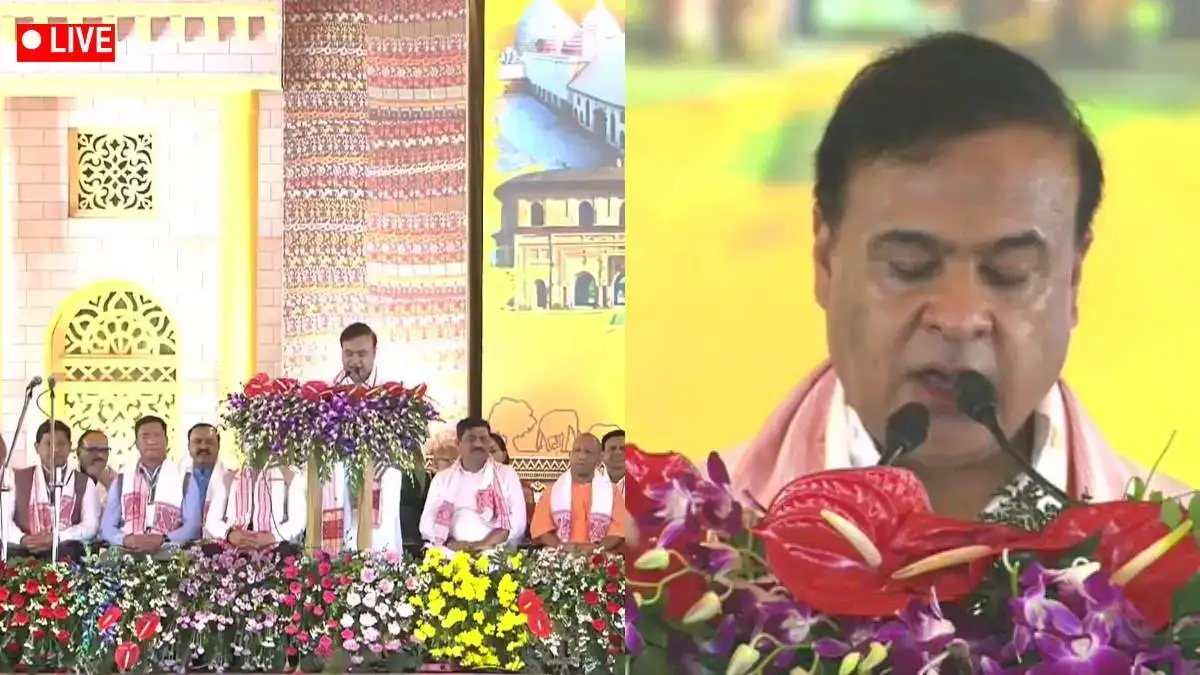
These assertions come in the context of Sarma recently taking oath as the Chief Minister of Assam for his second term. The ceremony, attended by prominent BJP leaders including Prime Minister Narendra Modi, underscored his party's electoral success in Assam. Sarma’s recent focus has included a promise of accelerated infrastructure growth in Assam, while simultaneously extending his political and ideological reach into the West Bengal electoral landscape. His self-description as a "soldier, not a politician" in interviews following his electoral victories reflects a perceived combativeness in his approach to governance and political battles.
Read More: US AI compute access rules change on April 7 2026 for national security