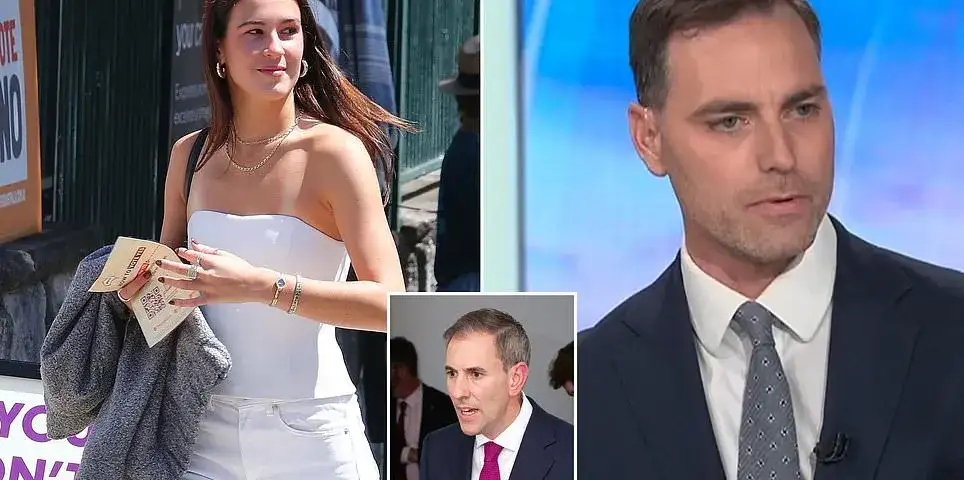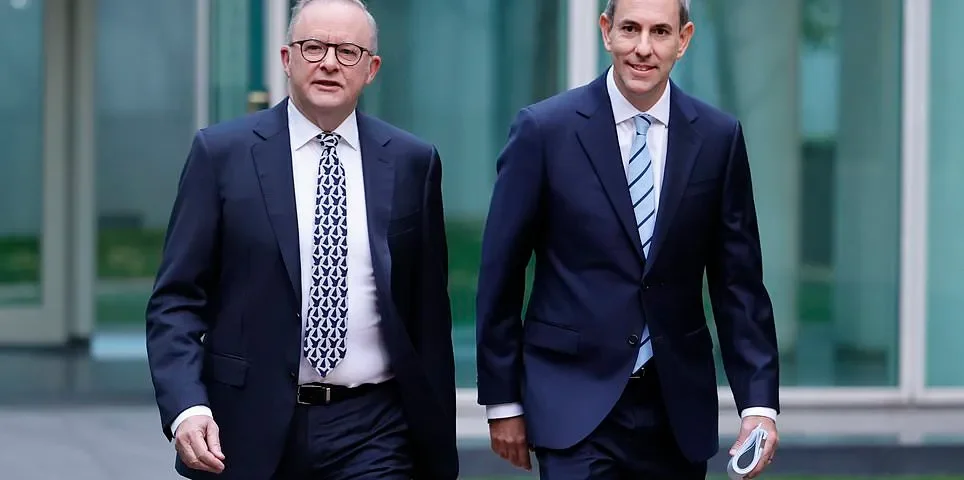
Prime Minister Anthony Albanese has framed recent budget adjustments to housing tax breaks, specifically concerning negative gearing and capital gains tax (CGT) discounts, by recounting his upbringing in public housing. This defense comes as the government faces criticism and accusations of a "war on aspiration" following the unveiling of these fiscal changes.

The core of the contention lies in proposed modifications to established tax incentives for property investment, including potentially limiting the CGT discount and restricting negative gearing benefits to a single property, measures that critics argue will stifle investment and pressure ordinary Australians.

The Prime Minister’s appeal to his past, specifically growing up in housing commission with a single mother in Camperdown, Sydney, serves as a personal anchor for the policy adjustments. This narrative contrasts sharply with the financial positions of those benefiting from current tax concessions, a point raised by current residents of his former home who urged him not to forget his roots amidst a housing crisis.
Read More: Cyprus Peace Plan Possible by End of 2026

The timing of these defenses is notable, given previous assurances from the Labor government that such housing tax breaks would remain untouched. Media reports in the lead-up to and following the budget on May 12th indicated significant alterations, including changes to how trust funds are taxed, alongside the negative gearing and CGT reforms.

Opposition figures, like Pauline Hanson, have decried the budget's tax policies, labeling them as indicative of "communism" and an "assault on aspiration." She argued that these changes impose "more taxes, more complexity, more pressure on people carrying the country," directly challenging the Prime Minister’s justifications.
While specific details of the tax reforms remain somewhat opaque, Australian unions have been vocal in their advocacy for changes, pushing for the CGT discount to be halved to 25 percent and for both CGT and negative gearing to be capped at one investment property.
Read More: Australia Budget 2026: Tax Changes Affect Property Investors and Home Buyers
This recent parliamentary debate and the Prime Minister's personal anecdotes are situated against a broader context of Labor's policy evolution. While the government has primarily focused on increasing housing supply, this move signals a potential shift towards altering the financial incentives surrounding property investment, a strategy that has evidently generated considerable political friction.
Background:
Anthony Albanese's political career, spanning over four decades, has seen him rise through the ranks of the Australian Labor Party, becoming Leader of the Opposition and subsequently Prime Minister on May 23, 2022. His journey from a public housing background has been a recurring theme in his public profile, notably documented in articles from May 2022. The current controversies surrounding housing policy and tax reform have brought this personal history back into sharp focus, serving as a reference point in defending potentially unpopular fiscal measures. The political landscape prior to these announcements saw Labor emphasizing supply-side solutions for housing affordability, with indications of a potential move on investor tax breaks emerging around April 2026.
Read More: Keir Starmer's leadership faces forced exit after leak