Crewed Lunar Flyby Faces Technical Hurdles and Shifting Launch Dates
NASA's Artemis II mission, a significant step in the program to return humans to the Moon, is currently navigating challenges that have impacted its planned launch schedule. The mission aims to send a crew of four astronauts on a 10-day journey around the Moon, a critical precursor to future lunar landings. The success of Artemis II is expected to provide vital data for subsequent missions, including Artemis III, which is slated to land astronauts on the lunar surface.
Mission Overview and Objectives
Artemis II is the second mission in NASA's Artemis program and marks the first time astronauts will travel aboard the Space Launch System (SLS) rocket and Orion spacecraft to deep space. The mission's primary objective is to perform a crewed lunar flyby, taking the astronauts further than any humans have previously traveled.
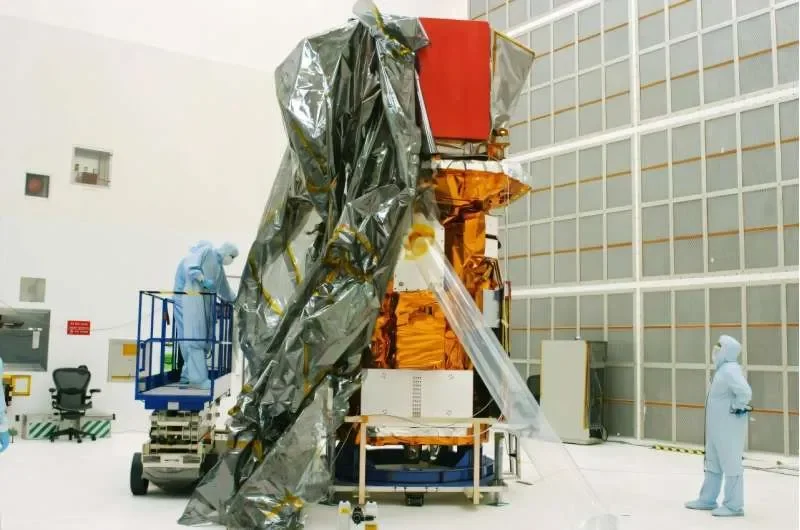
Read More: NASA Robot Mission Launched to Raise Swift Telescope Orbit, Add 10 Years

Mission Goal: To orbit the Moon without landing, validating crewed operations in deep-space conditions.
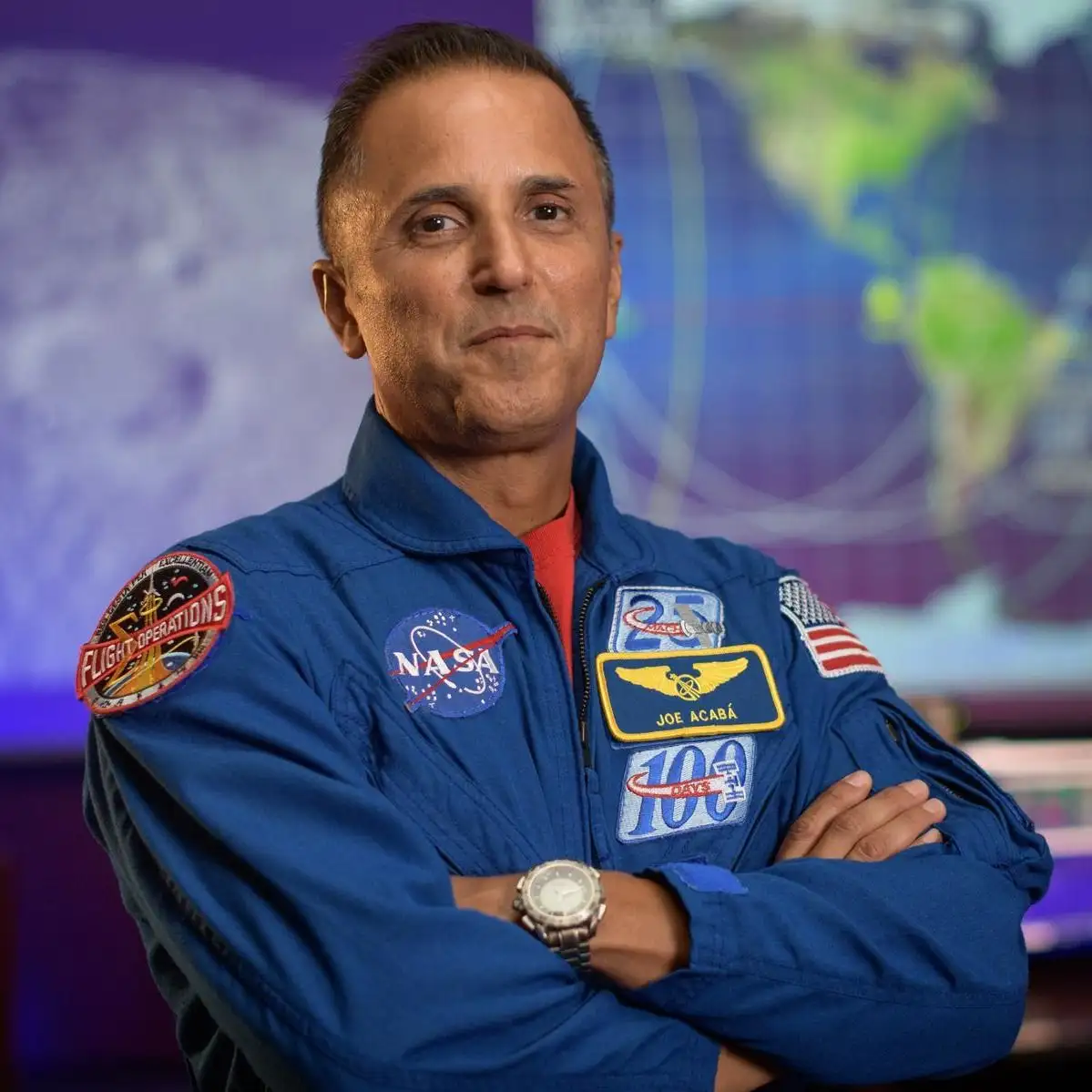
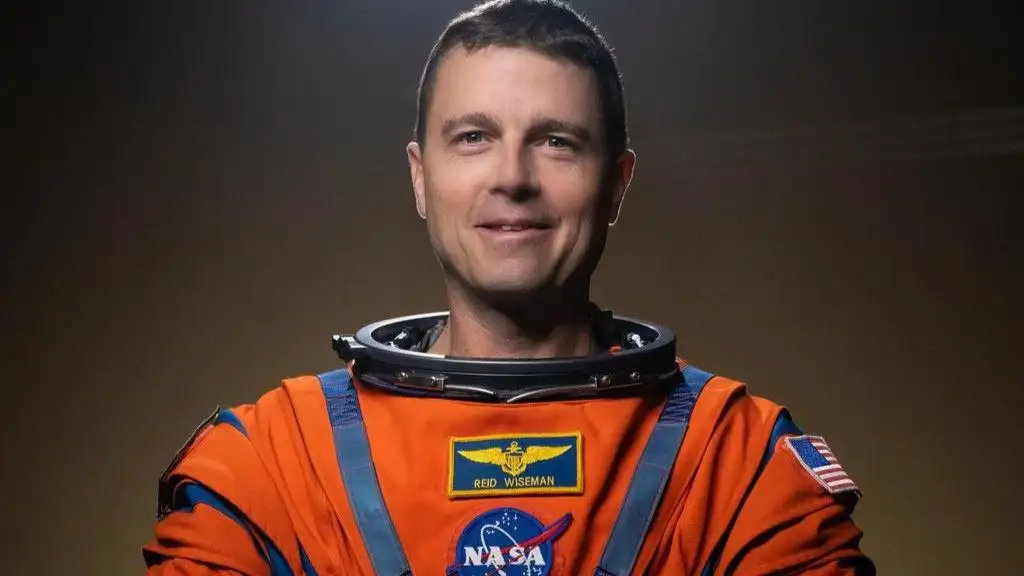
Crew: Commander Reid Wiseman, Victor Glover, and Christina Koch from NASA, alongside Jeremy Hansen from the Canadian Space Agency.
Spacecraft Name: The Orion spacecraft for this mission is named "Integrity."
Duration: The mission is planned to last approximately 10 days.
Trajectory: The spacecraft will follow a free-return trajectory around the Moon.
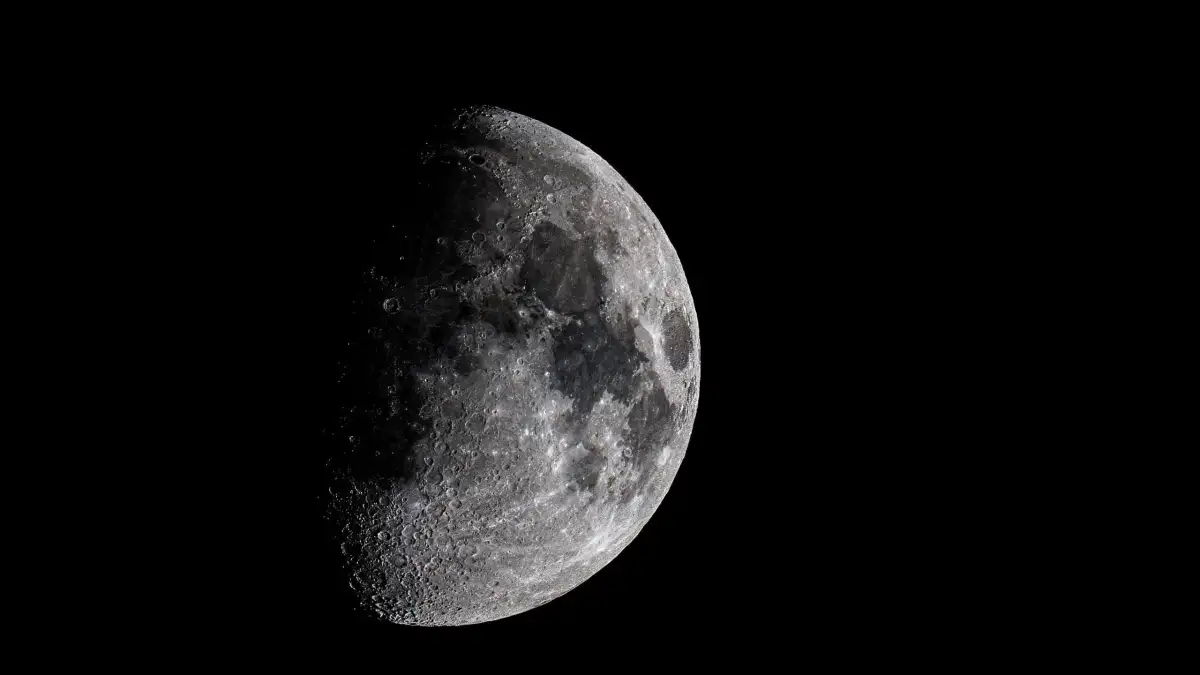
Data Collection: Astronauts will capture extensive imagery of the Moon. The spacecraft features six windows, with two specifically positioned for lunar observation.
Legacy: Artemis II builds upon lessons learned from the uncrewed Artemis 1 mission, which identified vulnerabilities in areas such as the heat shield and fueling systems.
Timeline of Events and Shifting Launch Windows
Initially, NASA aimed to launch the Artemis II mission as early as February 2026. However, several factors have led to adjustments in the launch schedule.
Early Targets: February 2026 was an early target for the mission.
April 2026 Window: A launch window was later set for April 1, 2026.
March 2026 Scrapped: A planned March launch window was ultimately scrapped due to technical issues.
Current Target: As of recent updates, NASA is targeting no earlier than April 2026 for the launch.
Technical Challenges and Delays
Recent technical issues have introduced uncertainty regarding the mission's launch date. A significant concern involves the SLS rocket's fueling systems, particularly problems with helium gas flow.

Helium Issue: A surprise problem arose with helium gas not flowing correctly into the upper rocket during a "wet dress rehearsal" – a test of the rocket's fueling procedures.
Hydrogen Concerns: There are also questions about whether rolling the rocket back and forth could exacerbate pre-existing "notorious hydrogen issues" NASA has encountered.
Potential Rework: Even after the helium issue is resolved, NASA may need to conduct another full wet dress rehearsal.
"NASA officials are providing an update Friday on the upcoming Artemis II mission, which will see a crew — including a Canadian astronaut — make a lunar flyby." (CBC News)
Crew Training and Preparations
The four astronauts selected for the Artemis II mission have undergone rigorous training to prepare for the 10-day journey.
Shared Space: A key aspect of their preparation involves adapting to living and working together in the confined space of the Orion spacecraft for the mission's duration. Astronaut Christina Koch has indicated that the crew has been actively working on managing these tight arrangements.
Mission Roles: Commander Reid Wiseman, Victor Glover, Christina Koch, and Jeremy Hansen form the crew for this historic flight.
Artemis Program Context and Future Missions
Artemis II is a pivotal part of NASA's broader lunar exploration program. Its success is crucial for the advancement of subsequent missions.
Artemis I: An uncrewed mission that served to test the SLS rocket and Orion spacecraft in deep space, revealing areas needing improvement for crewed flights.
Artemis II: The first crewed flight of the Artemis program, focused on a lunar flyby to test systems and crew performance in a deep-space environment.
Artemis III: The mission planned to land astronauts on the lunar surface, directly benefiting from the data and operational experience gained from Artemis II.
Expert Analysis and Commentary
While official updates focus on technical resolutions, the delays prompt broader discussions about the complexities of deep-space mission planning. The "notorious hydrogen issues" mentioned in reports suggest a recurring challenge that NASA is working to definitively overcome. The careful staging of Artemis II, a crewed flyby preceding a lunar landing, underscores a methodical approach to restoring human lunar capability, prioritizing safety and operational validation.
Read More: New York Mets vs Atlanta Braves 7 April 2026 NL East game preview
Conclusion and Implications
The Artemis II mission, intended to be a landmark achievement in human spaceflight, is currently facing delays due to technical setbacks. The issues with the SLS rocket's fueling systems, particularly the helium flow problem, have necessitated a revised launch schedule, pushing the earliest possible launch into April 2026. These challenges highlight the intricate engineering required for deep-space missions and the importance of thorough testing. The crew's preparedness and NASA's commitment to addressing these technical hurdles are central to the mission's eventual success. The data and experience gained from Artemis II will be instrumental in paving the way for future crewed lunar landings under the Artemis program. The question remains whether the addressed technical issues, particularly those related to the rocket's fueling, will prove to be fully resolved, ensuring a smooth and safe launch for this critical lunar flyby.
Sources Used
space.com: Published Feb 3, 2026. Provides an overview of the Artemis program, clarifying that Artemis II will not land on the Moon and will serve to inform future missions.
Link:
https://www.space.com/artemis-2-humans-moon-orbitcbc.ca: Published approximately 59 minutes ago. Features NASA officials providing an update on the Artemis II mission, confirming a lunar flyby with a Canadian astronaut.
Link:
https://www.cbc.ca/player/play/video/9.7108017bbc.co.uk: Published Sep 24, 2025. Details from a press conference, including the spacecraft name "Integrity," the crew composition, and training for living in close quarters. It also notes an earlier aim for a February launch.
Link:
https://www.bbc.co.uk/newsround/articles/c39rpd1kwpgoen.wikipedia.org: Provides a comprehensive overview of Artemis II, including crew members, spacecraft details, mission duration, and planned launch windows, noting an initial target date of April 1, 2026.
Link:
https://en.wikipedia.org/wiki/Artemis_IIcnn.com: Published 3 days ago. Reports on a new problem affecting the mission, specifically a helium issue that arose after a test, potentially impacting the launch date and raising concerns about existing hydrogen issues.
Link:
https://www.cnn.com/2026/02/24/science/artemis-2-roll-back-launch-datenews.sky.com: Published Feb 3, 2026. Describes Artemis II as sending the crew further than humans have previously ventured, highlighting its role in testing the SLS rocket and mentioning the crew consists of three Americans and one Canadian.
Link:
https://news.sky.com/story/everything-to-know-about-artemis-ii-the-nasa-mission-to-send-astronauts-around-the-moon-13497536nasaspacenews.com: Published Sep 24, 2025. Explains that Artemis II will fly astronauts around the Moon without landing, validating deep-space operations, and that data from this mission will inform Artemis III. It also references lessons learned from Artemis 1.
Link:
https://nasaspacenews.com/2025/09/returning-to-the-moon-why-artemis-2-mission-matters/cnet.com: Published Feb 4, 2026. Mentions the launch from Kennedy Space Center's Launch Complex 39B and the mission's flight path as a loop around the Moon. It references an earlier launch window in February.
Link:
https://www.cnet.com/science/space/nasa-artemis-ii-moon-mission-launch-itinerary/firstpost.com: Published 5 days ago. Reports that NASA has delayed the Artemis II Moon mission and scrapped the March launch window due to a technical issue.
Link:
https://www.firstpost.com/world/nasa-delays-artemis-ii-moon-mission-scraps-march-launch-window-over-technical-issue-13982380.html