A survivor of Jeffrey Epstein's abuse has stated that the financier sexually assaulted her while he was under house arrest. The testimony, delivered to a House Oversight Committee hearing in West Palm Beach on Tuesday, offered a stark indictment of the limited punishment Epstein faced in the initial Florida case. The survivor, identified as Roza, detailed that Epstein used threats concerning her visa status and financial security to prevent her escape. She also voiced strong criticism of the Department of Justice for releasing Epstein files with her name and those of other survivors unredacted, noting her name appeared over 500 times while alleged accomplices' names were blacked out.

The hearing, held near Epstein's former Palm Beach residence and President Donald Trump's Mar-a-Lago estate, brought survivors and lawmakers together to demand continued investigation into Epstein's sex-trafficking ring and the handling of related files. Roza stated that Epstein abused her "at the exact time he was under house arrest for the molestation of underage girls." This claim directly challenges the notion of effective oversight during his period of house arrest.
Read More: Saint's Skull Stolen from Czech Church, Police Seek Public Help
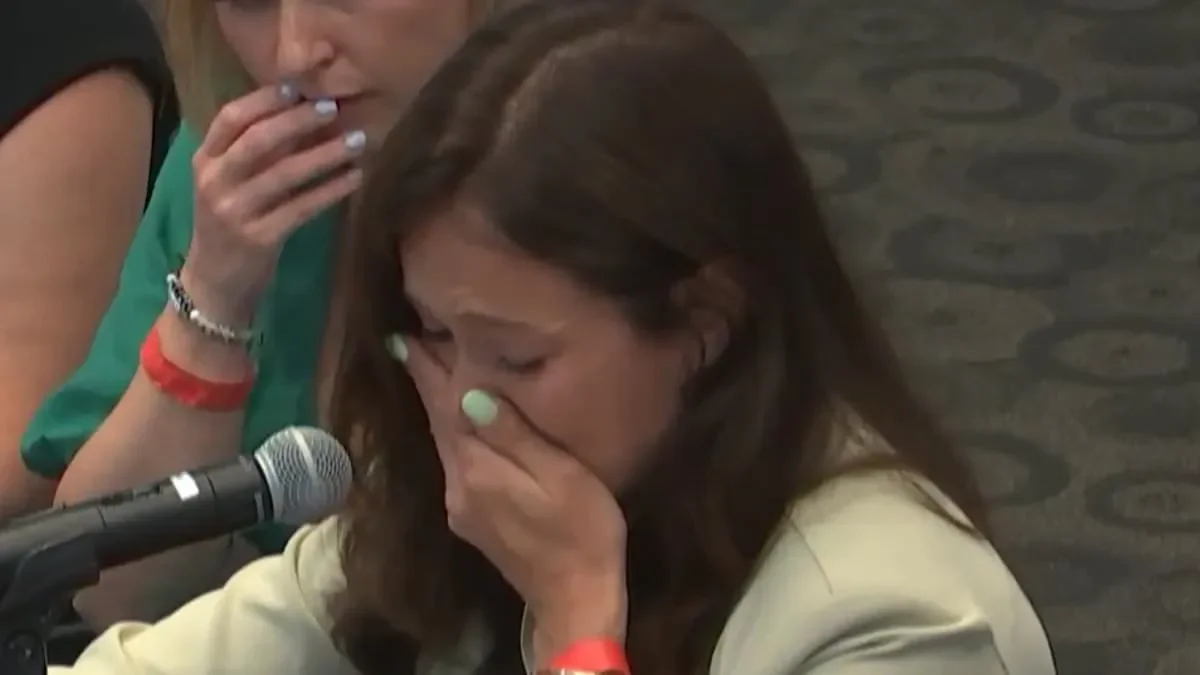
Survivors also spoke about the trauma of their names appearing repeatedly in the unredacted files released in December and January, describing it as a deliberate choice by officials rather than an error. Roza specifically pointed to her name appearing over 500 times, while alleged accomplices were shielded. The focus on unredacted names has reignited calls for greater transparency and accountability from government agencies involved.

Demands for Justice and Accountability
During the emotional testimony, survivors and lawmakers underscored the alleged protection and funding Epstein received from powerful individuals. Lawmakers used the Palm Beach hearing to warn President Donald Trump against pardoning Ghislaine Maxwell, Epstein's convicted associate, who is currently serving a 20-year sentence for her role in the abuse. Several articles mentioned the non-prosecution agreement Epstein accepted, which critics have long condemned for allegedly shielding him and unnamed associates from more severe federal charges. Attorneys for victims have pushed for legislative changes to protect victims' rights during prosecutorial negotiations.
Read More: Trump Calls Reporter "Dumb" Before China Trip

The congressional probe aims to explore the broader network of individuals involved and shed light on the "ties the case has to Palm Beach County." Democrats have been particularly vocal in criticizing the Trump administration's handling of the scandal, while Trump has maintained he cut ties with Epstein years ago. The hearing marks what some Democrats described as a "new phase" of the investigation, with a particular focus on the events in Palm Beach County, where Epstein's crimes initially came to light. Survivors also called for the full release of government files, including testimony under oath from figures like former Attorney General Pam Bondi.
Background and Context
Jeffrey Epstein, a financier with powerful connections, was arrested on charges related to sex trafficking of minors. He pleaded guilty to a lesser state charge of soliciting a minor under 18 for prostitution and registered as a sex offender, receiving compensation to victims. However, the subsequent handling of his case, including a non-prosecution agreement, has drawn sustained criticism. The release of the Epstein files in late 2025 and early 2026, though heavily redacted in parts, brought renewed attention to the scope of his alleged criminal enterprise and the powerful figures potentially implicated. The recent hearings, particularly those held in West Palm Beach, serve as a platform for survivors to recount their experiences and for lawmakers to scrutinize the systemic failures that allowed such abuse to persist and, in some cases, continue even during periods of supposed legal restriction.
Read More: Jacqueline Fernandez Withdraws Court Pact Bid in Rs 200 Crore Case