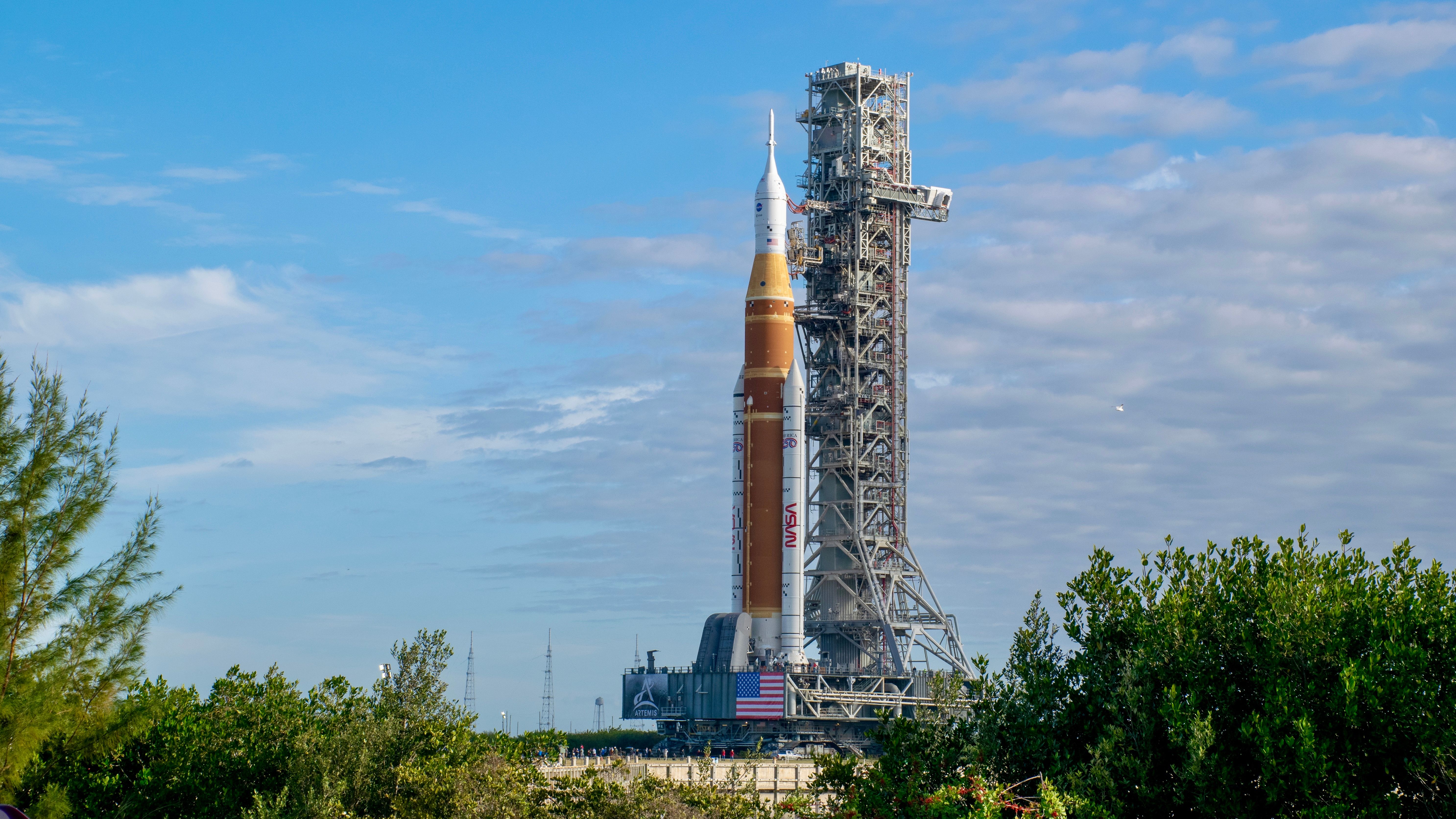
NASA has given the nod to its Artemis 2 rocket, clearing it for a potential April launch carrying four astronauts. This decision follows the completion of necessary repairs that had previously postponed the mission.

The window for liftoff is narrow, offering only six days at the start of April before a mandated stand-down until late April into early May. This expedited timeline underscores the agency's push to resume lunar operations after encountering fuel leaks and other issues with the Space Launch System (SLS) rocket.
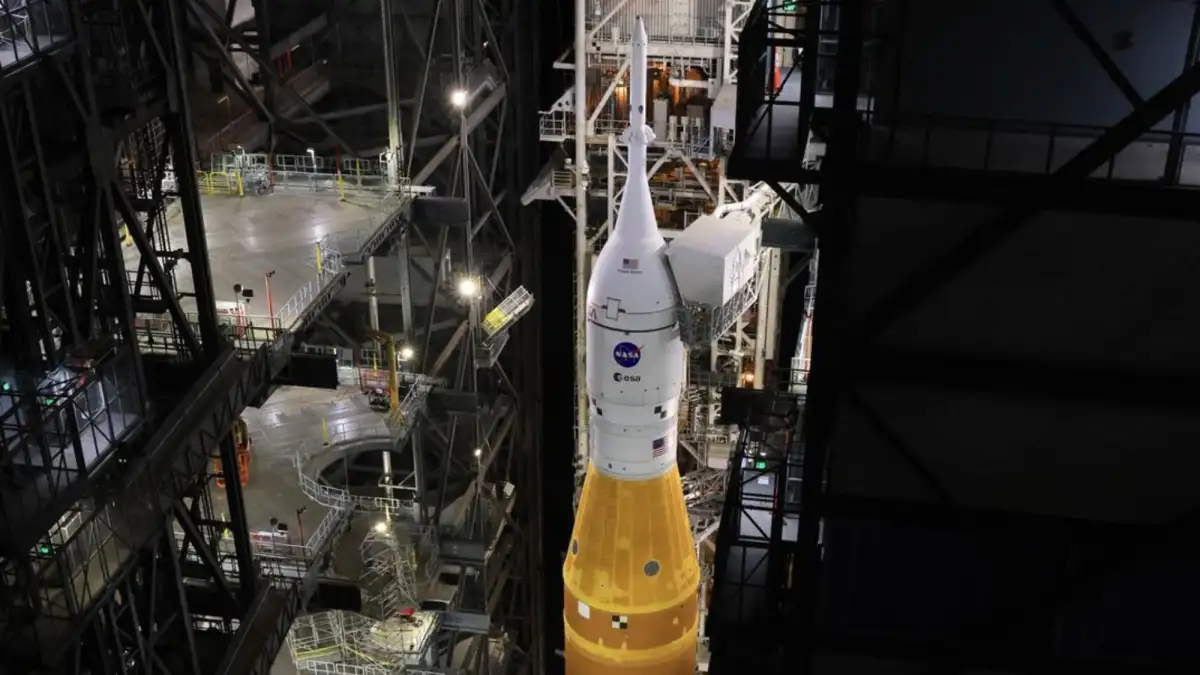
The Artemis 2 mission, intended as a lunar flyaround, was originally slated for an earlier departure this year. Its eventual launch will mark the return of humans to the vicinity of the Moon for the first time in half a century. NASA previously sent 24 astronauts to the Moon during the Apollo program, with 12 of them setting foot on its surface.
Read More: NASA Robot Mission Launched to Raise Swift Telescope Orbit, Add 10 Years
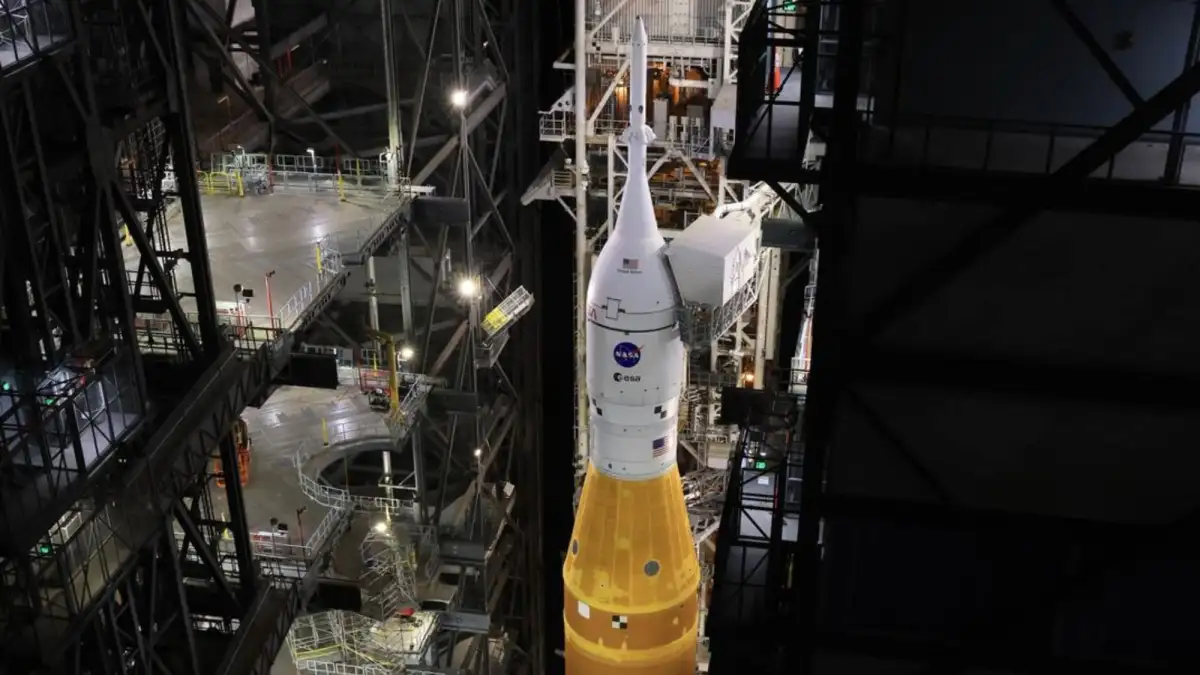
The Artemis 2 crew is slated to roll out to the launch pad on March 19. While the specifics of the repairs are not detailed, their successful resolution is paramount for the mission's progression.

HISTORICAL CONTEXT AND FUTURE IMPLICATIONS
This development is framed against the backdrop of NASA's broader 'Artemis program', a long-term endeavor aimed at re-establishing a human presence on the Moon and beyond. The program’s subsequent phase, Artemis 3, which was intended to involve a lunar landing, has reportedly been adjusted, though details remain indistinct.
The successful execution of Artemis 2 is crucial for building momentum and gathering the necessary operational experience for future, more ambitious lunar excursions. The agency is navigating a complex interplay of technological readiness, scheduling constraints, and a desire to recapture the public's imagination with lunar exploration.
Read More: New York Mets vs Atlanta Braves 7 April 2026 NL East game preview