Argentina's military is actively surveilling hundreds of foreign fishing vessels, predominantly Chinese, operating near its Exclusive Economic Zone (EEZ). The Argentine Navy has noted a persistent pattern where these vessels turn off their tracking systems to conceal illicit fishing activities within the EEZ, an area where Argentina holds sovereign rights to its natural resources under international law. This heightened surveillance effort, including naval patrols and operations like 'Mare Nostrum I', aims to deter illegal, unreported, and unregulated (IUU) fishing, which is seen as a direct threat to Argentina's marine ecosystem and economy.

Foreign vessels, many flying Chinese flags, are observed in large numbers just beyond the EEZ. Observations indicate fleets of over 550 trawlers have been visible from space in areas notorious for suspicious activity. A significant portion of these vessels, reportedly more than 80% of those in such areas, sail under the Chinese flag. These fleets frequently employ bright lights at night to attract squid, a key species in the regional food chain, leading to concerns about overfishing and its broader ecological impact. Experts point to the "floating cities" phenomenon, where large groups of vessels operate together, often using motherships for resupply and transshipment, enabling prolonged operations without returning to port.
Read More: California Salmon Fishing Reopens After 3 Years With Strict Limits

The economic repercussions for Argentina are considerable. Chinese vessels extract valuable resources, such as shortfin squid—a vital component of Argentina's economy and the diet of other marine species—without contributing taxes or generating local employment. This practice undermines the competitiveness of Argentina's national fishing industry, leaving local fishermen facing financial strain and threatening their livelihoods due to depleted fish stocks. Diplomatic tensions have emerged between Argentina and China over these recurring issues.

Beyond economic and ecological concerns, investigations have uncovered serious allegations of human rights and labor abuses among the crews working on these large industrial fishing ships. Reports suggest that workers are extremely vulnerable, with instances of seals and penguins being found trapped on decks. The operations of companies like Hongdong Fisheries Co. Ltd., a major Chinese entity, are specifically cited, with the company reportedly having a history of IUU fishing and human rights violations.
Read More: AFP Reviews War Crime Claims Against Australian in Gaza
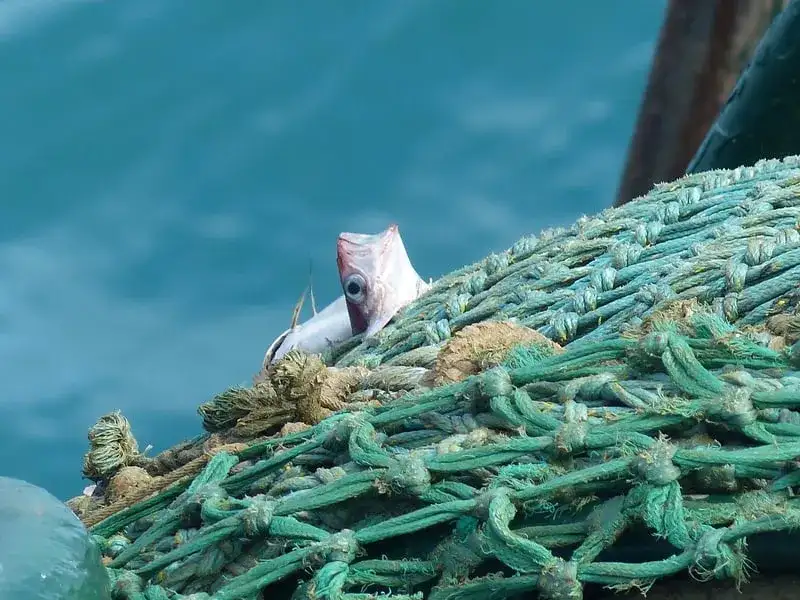
International law presents limitations for Argentina, preventing coercive actions beyond its EEZ. While bilateral diplomatic efforts continue, the issue of illegal fishing remains difficult to resolve. The disabling of Automatic Identification System (AIS) transponders by hundreds of vessels for extended periods—totalling hundreds of thousands of hours of invisibility—further complicates efforts to track and regulate these fishing operations, masking potentially illegal behaviors like crossing into Argentine waters.
Background: A Growing Maritime Concern
The presence of a large, often secretive, fishing fleet in the South Atlantic has become a point of contention. The vast scale of China's fishing operations, described as the world's largest, is increasingly looking towards waters like Argentina's as fish stocks become depleted closer to home. This has led to a surge in accusations of illegal fishing, escalating maritime tensions in the region. Encounters between Argentine authorities and suspected illegal fishing vessels have, at times, become confrontational. The strategic importance of the South Atlantic for China is also noted, extending beyond mere fishing interests.
Read More: Lubec Clam Flats Rotation Starts April 2024 to Save Shellfish Stocks