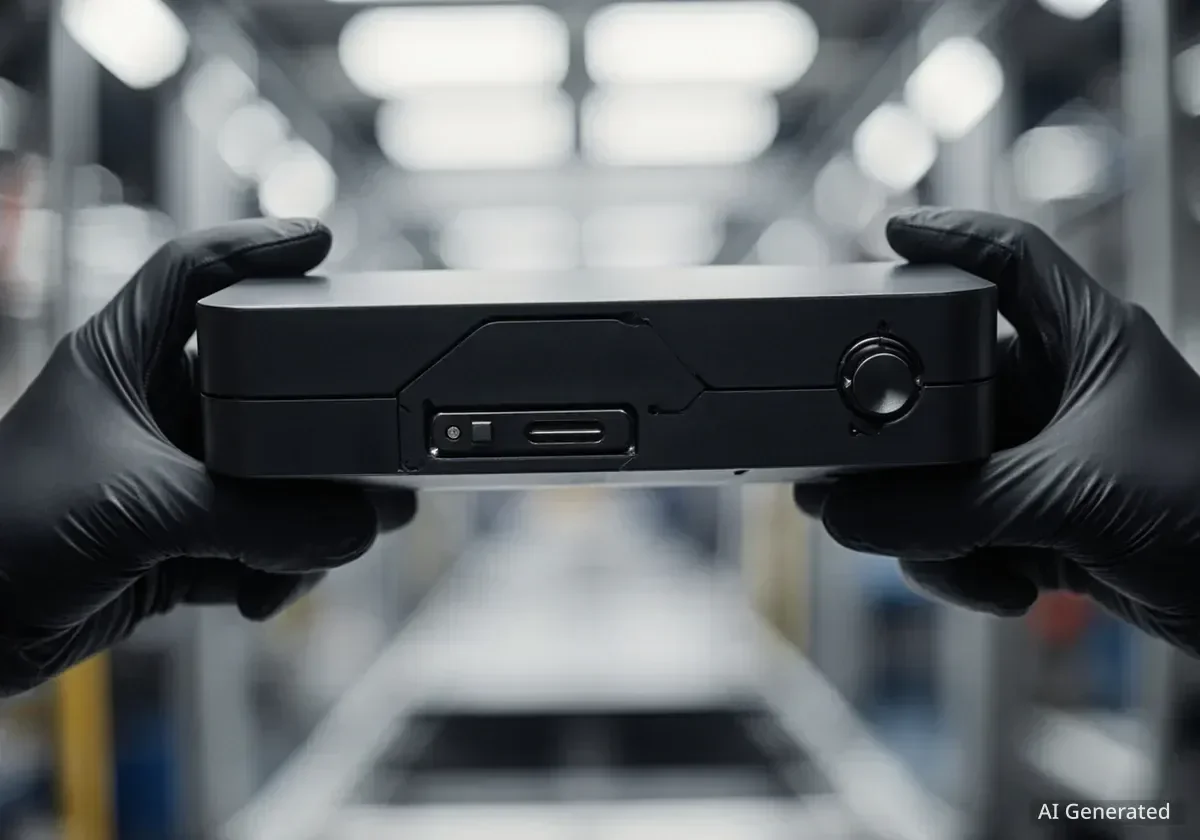
EUROPE MANDATES ACCESSIBLE POWER
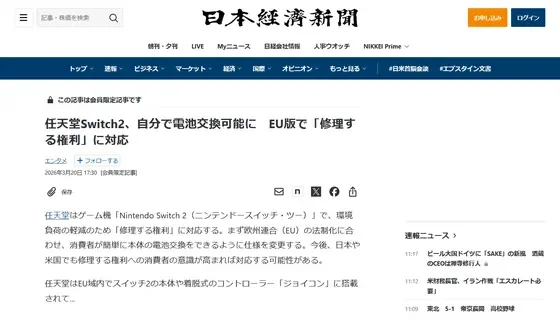
The company Nintendo is reportedly revamping its forthcoming Switch 2 console, specifically for the European Union market, to incorporate a user-replaceable battery. This design shift appears to be a direct response to looming European Union legislation mandating greater consumer repair rights. The modifications are expected to extend to both the main console and its associated Joy-Con 2 controllers, enabling users to swap out batteries using readily available tools, rather than relying on manufacturer repairs or device replacement. This regulatory push, often framed as a "Right to Repair" initiative, aims to reduce electronic waste and extend product lifespans.
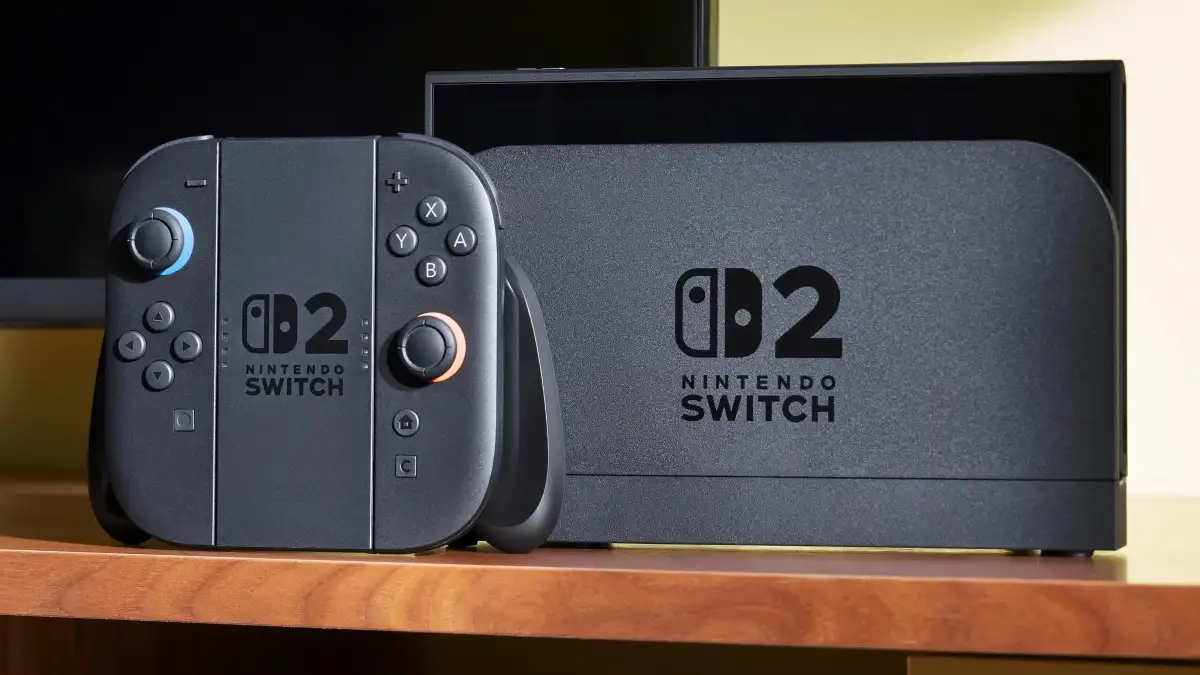
The new EU rules, which will fully take effect in February 2027, stipulate that products containing portable batteries must be designed to allow end-users to remove and replace these components without specialized equipment, excessive heat, or solvents. Current teardowns of Nintendo hardware indicate that the battery in the existing Switch 2 is aggressively glued in, requiring tools and specific chemicals for removal, thus not aligning with these impending regulations.
Read More: Hybrid LLM Architectures Use New Attention Methods for Better AI

INDUSTRY SHIFT OR REGULATORY COMPLIANCE?
This proactive redesign by Nintendo signals a broader trend where consumer electronics manufacturers are beginning to adapt their hardware designs to comply with emerging regulations. The decision to implement these changes ahead of the official deadline suggests an acknowledgement of the potential impact such laws could have across the global industry. While this specific revision is initially targeted at the EU, there is speculation that Nintendo might eventually consolidate its manufacturing to a single, more repairable standard if consumer demand for such features grows in other regions.
Details regarding the pricing of this revised European model and its potential impact on existing warranty policies remain unclear. Similarly, the implications for millions of Switch 2 units already in the hands of European consumers, particularly concerning how user-led repairs will be handled under existing warranties, are yet to be fully defined. The company has not yet issued an official statement confirming these plans.
Read More: Slovenia election 2026: Liberal party wins by 0.6% over populists
BACKGROUND TO REPAIRABILITY
Historically, Nintendo has offered a degree of user serviceability in some of its older handheld devices. However, the integrated design of both the Switch 1 and its successor, the Switch 2, has made battery replacement a process that typically requires opening the device with specialized tools, a scenario now being challenged by the EU's regulatory framework. The motivation behind these EU laws stems from a growing awareness of environmental sustainability and a desire to empower consumers with more control over the longevity and maintenance of their electronic possessions.