Alexandria Ocasio-Cortez recently addressed the Munich Security Conference, presenting a foreign policy vision centered on the working class. Her remarks touched upon the threat of authoritarianism, economic inequality, and the role of democracy in delivering for its citizens. This appearance marks her debut at the prominent international forum, drawing attention amid ongoing speculation about her future political ambitions.
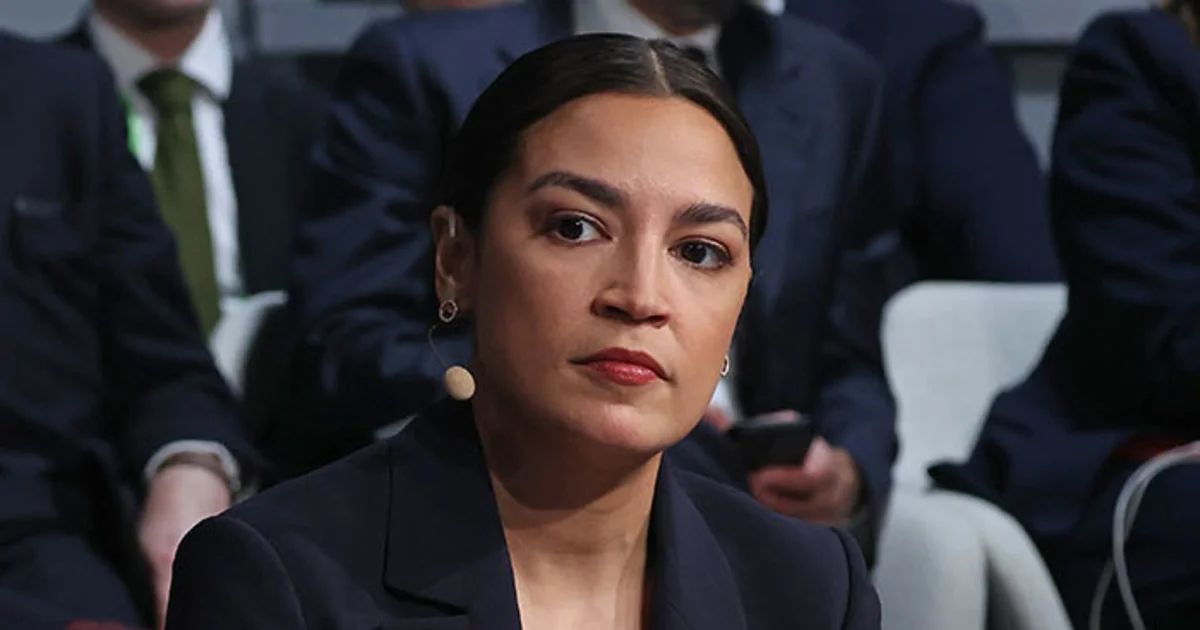
Core Message: Democracy must prioritize the working class to combat rising authoritarianism.
Context: Ocasio-Cortez's participation in the Munich Security Conference, a key global security gathering, highlights her increasing role on the international stage.
Ocasio-Cortez's Central Argument: A Call for Class-Centered Politics
Ocasio-Cortez's address at the Munich Security Conference centered on the idea that democratic nations must actively address the economic needs of their working populations to counter the appeal of authoritarianism. She emphasized that economic inequality fuels social instability and creates an environment where authoritarian leaders can find traction by offering simplistic solutions.
Read More: Alexandria Ocasio-Cortez Says Trump's Foreign Plans Could Help Authoritarian Leaders

She stated, "We have to have a working-class-centered politics if we are going to succeed, and also if we are going to stave off the scourge of authoritarianism."
According to her analysis, authoritarianism thrives by providing "political siren calls to allure people into finding scapegoats to blame for rising economic inequality, both domestically and globally."
Her remarks suggest that failing to deliver tangible economic benefits to the working class erodes faith in democratic systems, making populations susceptible to populist or authoritarian movements.
Critique of U.S. Foreign Policy and the "Age of Authoritarianism"
Beyond advocating for a class-focused domestic agenda, Ocasio-Cortez also used the platform to critique current U.S. foreign policy. She specifically targeted Donald Trump's approach, arguing that his actions and rhetoric risked ushering in an "age of authoritarianism."
Read More: Newsom Says Trump's Climate Policies Hurt US Economy

She accused Trump and Secretary of State Marco Rubio of seeking to "withdraw the United States from the entire world so that we can turn into an age of authoritarianism."
Her critique extended to specific actions, including threats to annex Greenland and the U.S. support for the war in Gaza.
Ocasio-Cortez framed this as an attempt to create a world where certain leaders could exert personal control, with implications for both the Western Hemisphere and alliances in Europe.
"I believe we’re seeing in economy across economy around the world, including the United States, that extreme levels of income inequality lead to social instability and drives in the sense in authoritarianism, rightwing populism and very dangerous domestic internal politics," Ocasio-Cortez stated during a panel discussion.
International Stage and Growing Political Stature
Ocasio-Cortez's presence at the Munich Security Conference is seen by many as a significant step in her political evolution. As a prominent figure within the Democratic Party, her participation in a high-profile international summit suggests a growing role in shaping discussions on foreign policy and global security.
Read More: Australia Says Indonesia Very Important, But Is It The Same For Indonesia?

This event marks her first trip to the Munich conference, though she has traveled abroad previously.
Her engagement with world leaders and diplomats occurred during a period of global instability.
Observers note that her appearances at such events are fueling speculation about potential future presidential aspirations, with some articles noting her as a 2028 contender.
Insight: The conference provided a platform for Ocasio-Cortez to articulate her foreign policy views to a global audience, moving beyond her established domestic progressive agenda.
Contrasting Visions: Ocasio-Cortez and Rubio
The Munich Security Conference also featured contrasting viewpoints, notably between Ocasio-Cortez and Secretary of State Marco Rubio. While both addressed visions for global order, their approaches differed significantly, reflecting broader political divisions within the United States.
Ocasio-Cortez advocated for expanding social welfare programs and relying on global alliances to combat authoritarianism.
This approach was presented as a contrast to a more isolationist or transactional foreign policy.
The summit was described as a venue where these "dueling visions of U.S. global leadership" were to be presented.
Analysis of Ocasio-Cortez's Role and Rhetoric
Commentary surrounding Ocasio-Cortez's participation offers varied interpretations of her role and message. Some analysts view her as a key progressive voice seeking to influence Democratic Party foreign policy, while others present a more critical perspective on her alignment with established U.S. foreign policy interests.
Read More: Jasmine Crockett Faces Attention for Strong Political Views
Her remarks have been framed as an effort to champion a "working-class perspective" and a return to a "rules-based order."
However, some critical analyses suggest her rhetoric, while populist, ultimately serves to legitimize the foreign policy objectives of the Democratic Party, particularly concerning international conflicts.
Nuance: While Ocasio-Cortez presents herself as an insurgent critic of elite power, her platform at Munich positioned her among global elites, discussing established concepts like the "rules-based order."
Conclusion and Implications
Alexandria Ocasio-Cortez's participation in the Munich Security Conference signifies her emergence as a more prominent voice on the international stage. Her core message, linking democratic strength to the economic well-being of the working class and warning against the rise of authoritarianism, resonated through her addresses. Her critique of U.S. foreign policy, particularly directed at Donald Trump, also highlighted a significant ideological divide.
Read More: New Astronauts Arrive at Space Station After SpaceX Launch
Key Finding: Ocasio-Cortez articulated a foreign policy vision rooted in economic populism and a defense of democratic alliances.
Implications: Her prominent role at Munich suggests a deliberate effort to expand her influence beyond domestic policy and to engage with complex global security challenges. The differing perspectives presented at the conference, including those of Secretary of State Marco Rubio, underscore the ongoing debate about America's role in the world.
Next Steps: Continued observation of Ocasio-Cortez's engagement in foreign policy discussions and the impact of her "working-class" framework on broader international relations will be important.
Sources
NBC News: "AOC to offer a 'working class' perspective on U.S. foreign policy at Munich summit"
Common Dreams: "'Working-Class-Centered Politics' Is Key to Defeating 'Scourge of Authoritarianism': AOC in Munich"
The Guardian: "AOC accuses Trump of trying to usher in ‘age of authoritarianism’ at Munich conference"
Worldnews.com (via Brave): "Ocasio-Cortez takes progressive vision to Munich: ‘We are ready for the next chapter’"
Courrier International: "À Munich, Alexandria Ocasio-Cortez confirme son nouveau statut chez les démocrates"
Washington Examiner: "AOC champions a return to 'rules based order' in Munich pitch"
The Washington Post: "Ocasio-Cortez, Rubio to offer dueling visions of world order in Munich"
San Juan Daily Star: "Alexandria Ocasio-Cortez steps onto a wider stage"
WSWS.org (via Brave): "Alexandria Ocasio-Cortez will make her debut as an imperialist strategist at the Munich Security Conference"
Read More: Iran Arrests Many People After Protests