Is Andy Goldsworthy’s latest project, a monumental sculpture fashioned from disturbed gravestones, a profound meditation on life and death, or a troubling disregard for sacred ground? As the acclaimed land artist unveils his "best work yet" by meticulously gathering displaced graveyard stones, we must ask: what deeper meaning lies beneath the unearthed past, and who gets to decide how we memorialize our lost loved ones?
This latest artistic endeavor by Andy Goldsworthy, a celebrated figure in land art, has sparked a fresh wave of attention. The artist claims his new creation, born from stones unearthed during burials, is his “best work yet.” But the revelation, particularly given the sensitive nature of graveyards and remembrance, demands a critical examination. What prompts an artist, nearing seventy and reflecting on his own mortality, to engage so directly with the physical remnants of the deceased? Are we witnessing a powerful statement on impermanence and the cyclical nature of life, or something more ethically ambiguous, raising questions about respect for the departed and their resting places?
Read More: Banana Art Stolen From French Museum, Replaced Quickly
The Unearthing of Memory: Goldsworthy's Shifting Landscape
Andy Goldsworthy, born in Cheshire, England, on July 25, 1956, has built a career on transforming natural materials into ephemeral art. His approach, often involving physically demanding work in outdoor environments, has earned him a significant following. Early in his career, Goldsworthy began documenting his site-specific creations – sculptures made from leaves, ice, stone, and wood – through photography and film, recognizing their transient nature. His artistic philosophy hinges on a deep, often visceral, connection with the environment.
| Key Milestones in Goldsworthy's Career ||—-|—-|| 1970s | Formative explorations and early artistic experiments. || Post-Art School | Focus on photography and film to capture ephemeral works. || Ongoing | Creation of site-specific sculptures using natural materials. || Recent Years | Large-scale projects and exhibitions, including retrospectives marking significant anniversaries. |
Goldsworthy’s career is marked by a consistent evolution. Recent exhibitions, like "Andy Goldsworthy: Fifty Years," showcase this progression, highlighting his enduring core essence while demonstrating continuous development. The National Galleries of Scotland first approached him about a show commemorating his 50th year as an artist, initially expecting installations in outdoor spaces. However, Goldsworthy has a history of engaging with existing structures and landscapes, including a project to rebuild an abandoned building as an artwork in the US. This latest foray into graveyards, however, feels like a significant departure, delving into a space traditionally reserved for quiet reflection and solemn remembrance.
Read More: How AI ethics evaluations change software design on April 7 2026
From Natural Cycles to Sacred Ground: The Gravestone Epiphany
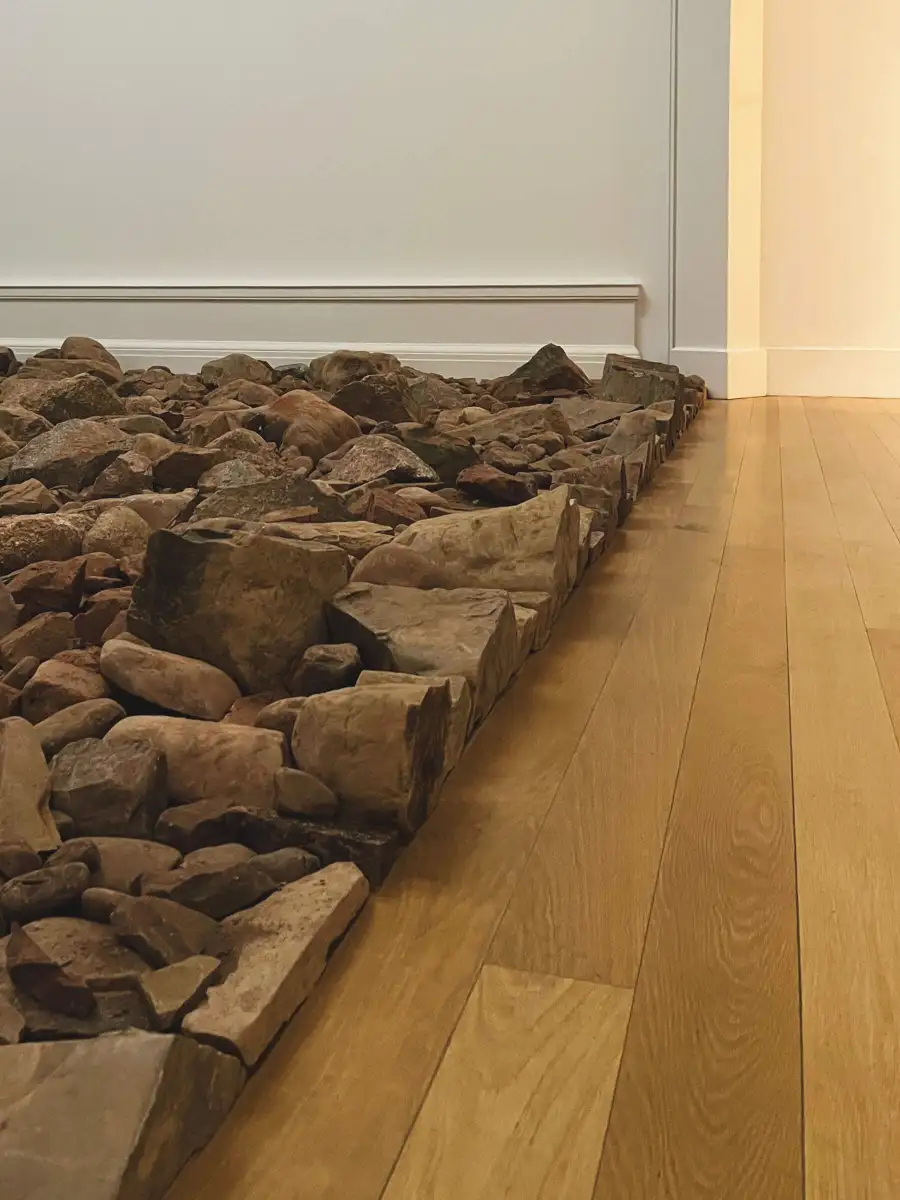
The genesis of Goldsworthy's "best work yet" reportedly occurred during a visit to his mother's grave. He observed a pile of stones displaced by gravediggers, a common practice where earth removed for a coffin is replaced by soil, leaving stones behind. This sight triggered an "epiphany."
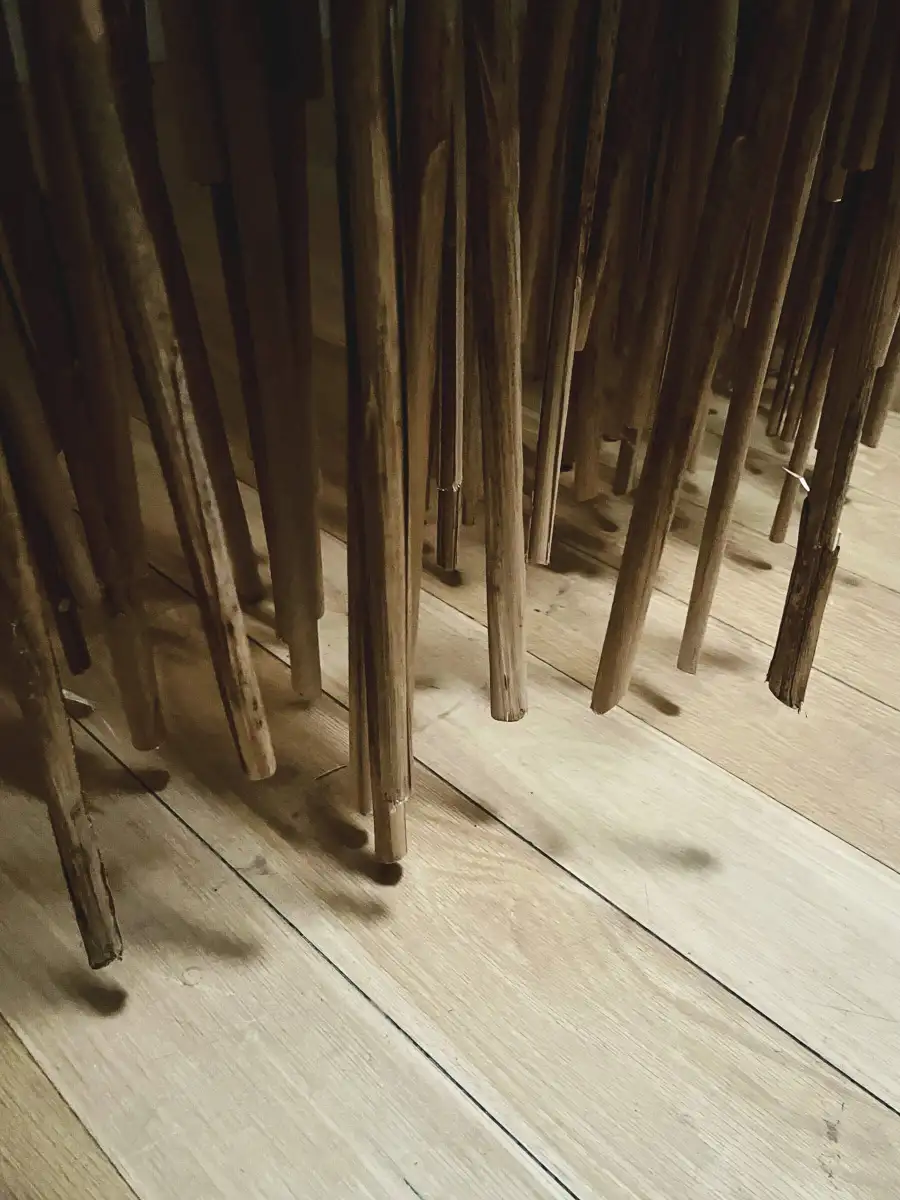
"When he visited her grave, he saw a pile of stones and had an epiphany as he realised that, when gravediggers make space for a coffin, they don't return the stones they have displaced." (Article 2)
This observation has led to the accumulation of a substantial quantity of these disturbed stones. The artist is currently engaged in creating three new works, one in Sweden and another in Massachusetts, USA, with these very stones forming the material. But this artistic intervention raises fundamental questions about how we approach death, memory, and the sanctity of burial sites.
Read More: Indian artists use Instagram for anti-caste art
What constitutes "displaced" or "abandoned" stones in a cemetery? While Goldsworthy sees raw material for art, are these stones not intrinsically linked to the identity and memory of those interred? Furthermore, how is consent obtained for gathering such material from active cemeteries? This crucial detail remains conspicuously absent from public discourse surrounding the project. Is there a formal process for this, or is it an unspoken understanding within the art world and perhaps with cemetery authorities?
Echoes of the Past: When Art Intersects with Mortality
The convergence of art, death, and remembrance is not new. Figures like Richard Long, another prominent land artist, also engage with natural landscapes and materials, often evoking a sense of time and place. However, Goldsworthy’s specific focus on gravestones brings a different weight to the conversation.
Read More: Wim Wenders Withholds Young Nastassja Kinski Film Footage
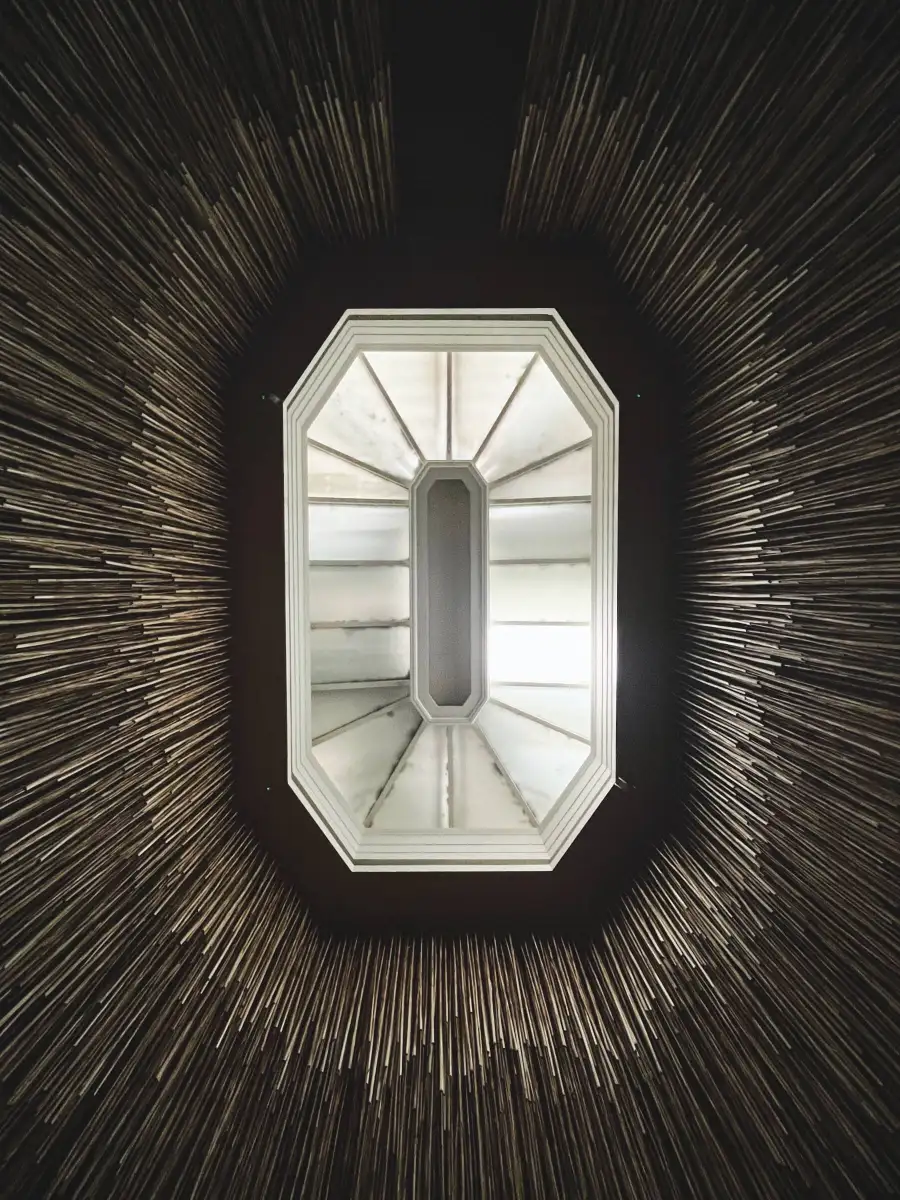
The notion of ephemeral creations is central to Goldsworthy's oeuvre. His works, by their very nature, are temporary, melting away with seasons or weathering the elements. But gravestones are intended to be permanent markers, symbols of enduring memory. By collecting and re-purposing them, is Goldsworthy highlighting the impermanence of all things, including our efforts to memorialize, or is he imposing his artistic vision onto spaces meant for personal grief and collective mourning?
Consider the context of Remembrance Day, a time for solemn reflection on sacrifice and loss, as touched upon in Poppy Mardall's blog. While the blog discusses wills and legacies, it underscores a societal preoccupation with how we leave our mark and ensure our memory. Goldsworthy's project, while perhaps aiming for a similar thematic resonance with memory and legacy, does so through a process that could be perceived as intrusive by grieving families.
Read More: Kerala Artist Abhilash Thotathil Shows Work at Cannes Biennale
| Artistic Approaches to Memory and Material ||—-|—-|| Andy Goldsworthy | Uses natural, often transient materials; recent work incorporates displaced gravestones. || Richard Long | Creates site-specific works in nature, often using stones and earth; emphasizes walking and line. || Traditional Memorials | Gravestones, monuments; designed for permanence and identification. || Ephemeral Art | Art designed to be temporary; documentation (photo/film) is key. |
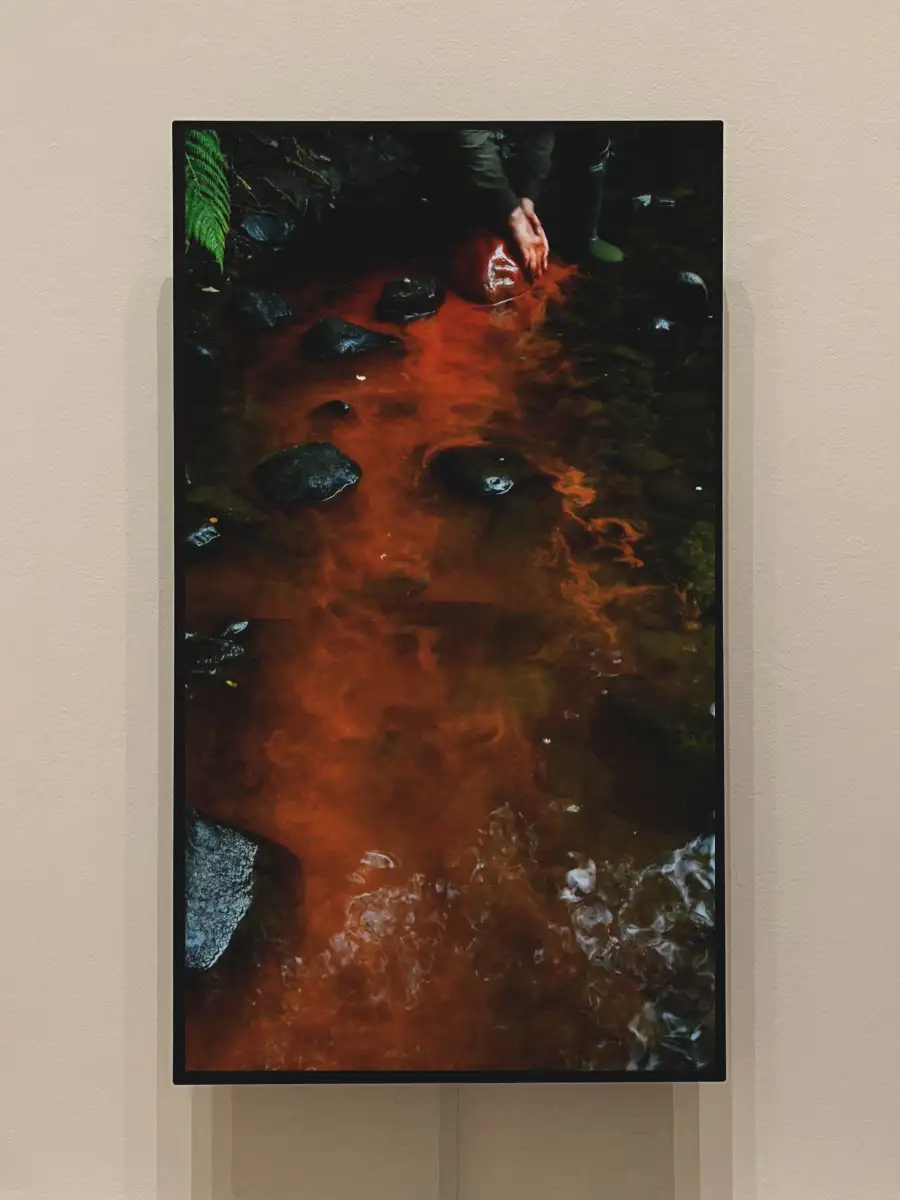
The Artist's Canvas: A Field of Stones or Sacred Ground?
Goldsworthy, now in his late sixties, is reportedly contemplating his own mortality, noting his father’s passing at seventy-two. This personal reflection could be fueling his engagement with themes of legacy and the physical traces we leave behind.
"He is approaching seventy and, as he pointed out, his father died at seventy-two. His interventions are patterns of behaviour; how he lives in his environment." (Article 4)
His "interventions" are indeed characterized by patterns of behavior and a profound integration with his surroundings. This can manifest in projects like reconstructing abandoned buildings, aiming to integrate them back into the landscape, or his demanding physical commitment to his work, where he "sprints ahead" while others struggle to keep up. (Article 6)
Read More: Lawyers Face Tough Choices Serving Bad Governments
However, the boundary between art and disrespect can be fine when dealing with deeply personal and sacred spaces. While Goldsworthy’s followers see his work as a profound commentary on nature and existence, what recourse do families have if they discover their loved ones’ gravestones, or those nearby, have been removed and incorporated into an artwork without their knowledge or consent? This is a critical ethical question that remains unanswered. The potential for creating new art by disturbing established memorials opens a Pandora's Box of concerns about heritage, individual rights, and the very definition of what constitutes art versus desecration.
Conclusion: Reflecting on What Endures
Andy Goldsworthy’s gravestone project is undoubtedly provocative. It forces us to confront not only the physical reality of death and burial but also our collective methods of remembrance. Is his "best work yet" a genuine exploration of life's transient nature, a statement on how even our most permanent markers are subject to change, or is it a bold, perhaps reckless, artistic act that treads on hallowed ground?
Read More: Farmer Creates Heart Shape With Sheep in Guyra as Tribute
The lack of clear information regarding the acquisition of these gravestones is a significant gap. Without transparency on how these stones were gathered – whether through formal agreements, historical reclamation, or other means – the project remains ethically ambiguous.
We are left with profound questions:
What are the protocols for artists engaging with cemetery materials?
How do we balance artistic freedom with respect for the deceased and their families?
What does Goldsworthy's choice of material reveal about our current societal relationship with death and memory?
Until these questions are addressed, Goldsworthy’s latest endeavor, however aesthetically compelling, stands as a complex monument, inviting not just admiration but also critical scrutiny of the stones we choose to build with, and the memories they represent.
Sources:
Article 2: Artist Andy Goldsworthy on gathering gravestones: This is my best work yet - BBC News
Article 3: Gravestone Art, Remembrance Day and Getting Your Will Done - Poppy's Funerals Blog
Article 5: A life's artwork: 50 years of Andy Goldsworthy - BBC News
Article 6: Exclusive: Andy Goldsworthy’s epic moorland monument - Financial Times