
DEFICIT SWELLS PAST PRESCRIBED LIMITS, RAISING QUESTIONS OF ACCOUNTING
The revenue deficit in Andhra Pradesh for the fiscal year 2024-25 has reportedly breached the Fiscal Responsibility and Budget Management (FRBM) target of 2.7% of the Gross State Domestic Product (GSDP). Figures indicate the deficit stood at 3.75%, necessitating state borrowing for operational expenses and exacerbating its interest payment burden. This situation is compounded by alleged accounting discrepancies, where revenue expenditure and cash balances were apparently understated by ₹3,375.60 crore and ₹95.70 crore respectively. Conversely, capital expenditure is claimed to have been overstated by ₹2,648.92 crore, with these misclassifications impacting state finances by an estimated ₹6,120 crore.
The report points to a deviation from established financial accountability mechanisms, wherein the Andhra Pradesh government did not disclose the specifics of proposed off-budget borrowings (OBBs) in its Budget for the 2024-25 fiscal year. Such omissions challenge the principle of 'transparency in the fiscal operations of the Government', a stated objective of the FRBM Act. The FRBM Act itself, intended to enforce 'fiscal discipline', sets specific targets for both fiscal and revenue deficits as a percentage of GDP, with failure to meet these targets often termed 'fiscal slippage'.
Read More: Solaris Energy SEI Stock Price Forecast Reaches $91.98 by July 2027
accounting anomalies and their repercussions
The stated misclassifications, described as non-compliance with statutory provisions, appear to have a direct bearing on the state's fiscal health. The significant impact of these accounting adjustments on state finances underscores a potential disconnect between reported figures and the actual economic realities. This raises concerns about the reliability of fiscal data, a point echoed in broader discussions regarding state finances where 'inconsistent reporting standards' with those of national bodies are noted.
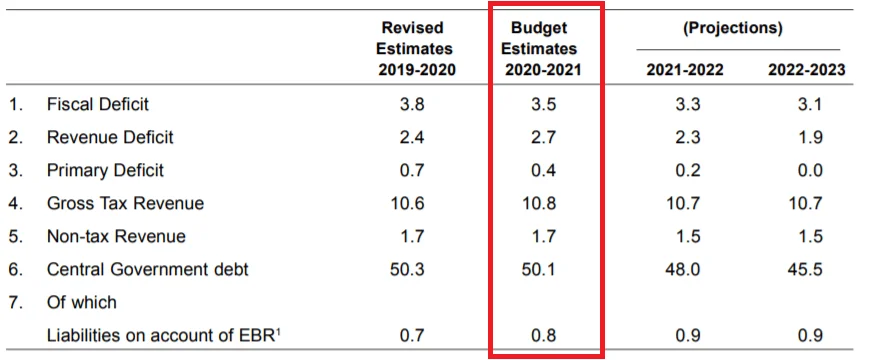
The practice of 'understating revenue expenditure and cash balances' while 'overstating capital expenditure' could potentially obscure the true extent of the state's financial obligations. This method, if accurate, would circumvent the spirit of the FRBM Act's intention to manage deficits responsibly. The reliance on borrowing for day-to-day expenses, a direct consequence of the widened revenue deficit, not only increases financial strain but also raises questions about the sustainability of the state's fiscal management.
Read More: Andhra University Adds More Seats for B.Tech Courses
historical context and legislative shifts
This reported fiscal strain emerges against a backdrop where the Andhra Pradesh Assembly itself has amended the FRBM Act. In November 2021, amendments were enacted to permit a larger revenue deficit, with one modification enhancing the limit on annual incremental risk-weighted guarantees to 180% of the preceding year's total revenue receipts, a significant increase from the prior 90% threshold. These legislative adjustments were partly attributed to the fiscal pressures exacerbated by the COVID-19 pandemic and its impact on state revenues.
The ongoing discussions around state finances frequently highlight the need for 'improving fiscal data generation and dissemination processes', suggesting that uniform formats for reporting liabilities and the consistent application of financial reporting standards are critical. The purported discrepancies in Andhra Pradesh's financial reporting, if borne out, would align with concerns about the 'unreliable fiscal data and reporting' prevalent among some states, and challenge the very foundations of 'data-driven fiscal policy making'.
Read More: Rocket Companies brand update in April 2026 changes logos and names
broader implications for fiscal responsibility
The FRBM Act was conceived to address an economy burdened by 'high fiscal deficit, high revenue deficit, and high debt-to-GDP ratio', aiming for 'fiscal discipline'. The current situation in Andhra Pradesh, if characterized by the reported accounting practices and deficit overruns, suggests a departure from these foundational objectives. The act mandates statements such as the 'Fiscal Policy Strategy Statement' and the 'Medium-Term Fiscal Policy Statement' to outline government fiscal plans and goals, fostering 'transparency in the fiscal operation of the Government'. The non-disclosure of OBBs points to a potential gap in this transparency framework. The aspiration to implement the 'golden rule' – financing current expenditure from current revenue and capital expenditure through borrowings – appears challenged by the current fiscal arithmetic.