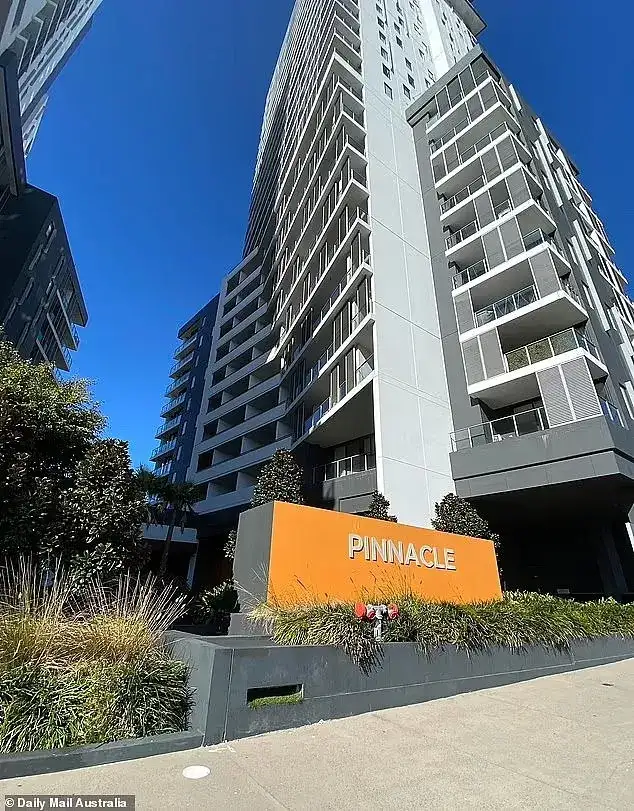
Emergency responders in Sydney have processed a recording of a triple-zero call placed shortly before the discovery of three bodies in a private residence. The audio, linked to an incident reported as of today, May 20, 2026, captures a man claiming to have killed his family.

Core evidence hinges on a verbal confession made to dispatchers by the father of the deceased household immediately prior to the arrival of police units.

Incident Parameters
The event unfolded in the Campbelltown area, involving a household under specific domestic stressors.

The caller is identified as the husband and father of the deceased.
The victims include his wife and two children.
Prior to the event, the man served as the full-time carer for the children, both of whom reportedly lived with severe autism.
The accused possessed no documented criminal record.
Reports suggest the individual had been navigating a cancer diagnosis requiring chemotherapy.
"He is innocent until proven guilty," stated the man's legal representative in response to inquiries regarding the emerging audio evidence.
Broader Context of Urban Violence
The emergence of this recording follows a separate, unrelated lethal incident in Canley Heights, where five men were ambushed in a garage. In that case, Alai Ahio, 28, succumbed to his injuries in the hospital. These occurrences form a pattern of high-intensity, localized violence currently impacting the Sydney metropolitan landscape.
Read More: Third Teen Charged in Fatal Stabbing Near Melbourne Hospital on Wednesday
| Incident | Location | Status |
|---|---|---|
| Family Triple-Homicide | Campbelltown | Investigation Active |
| Garage Ambush | Canley Heights | Ongoing Search for Assailants |
Narrative Shifts
While the judicial system manages the presumption of innocence, the audio recording serves as the primary pillar for the state's reconstruction of the timeline. The intersection of domestic caregiving, chronic health failure, and extreme violence raises questions regarding the accessibility of social support networks within the Sydney urban structure.
Authorities have yet to release a motive, leaving the causal factors behind the call to be parsed through the lens of legal proceedings. This follows a long-standing pattern where public awareness of violent acts is filtered through the late-stage documentation of distress calls, as seen in past trials such as that of the 2025 Liverpool apartment incident.

/cloudfront-ap-southeast-2.images.arcpublishing.com/nzme/RVI7RFHOI34HTKKRUG3LS6DNVY.jpg)