On March 5, 2026, the digital machinery powering Amazon failed for several hours. Between 2:00 p.m. and 8:00 p.m. ET, the Shopping Platform refused to complete transactions or show accurate prices for tens of thousands of people. The disruption stemmed from a "software code deployment" gone wrong, effectively breaking the link between the company's database and the consumer’s screen. While Amazon Web Services (AWS) claimed normal operation, the consumer-facing side of the empire went dark.

The Breakdown of the Loop
The failure was not a clean break but a messy, uneven System Lag. Shoppers encountered a variety of errors that suggested the backend was struggling to find its own data.

Blank Product Pages replaced descriptions and images, leaving only white space.
Erratic Pricing saw numbers fluctuate or disappear entirely during the browse.
Checkout Blocks prevented users from finalizing payments, the most critical failure for a commerce entity.
Mobile App Stutters made the platform unusable for roughly 21% of those who reported issues.
"We're sorry that some customers may have temporarily experienced issues while shopping," stated Jennie Bryant, Amazon spokesperson.
| Metric | Detail |
|---|---|
| Peak Reports | ~22,000 (Downdetector) |
| Duration | ~6 hours |
| Primary Cause | Software code deployment / DNS error |
| Location | Global (concentrated in Virginia data center regions) |
Fragments of a Fragile Grid
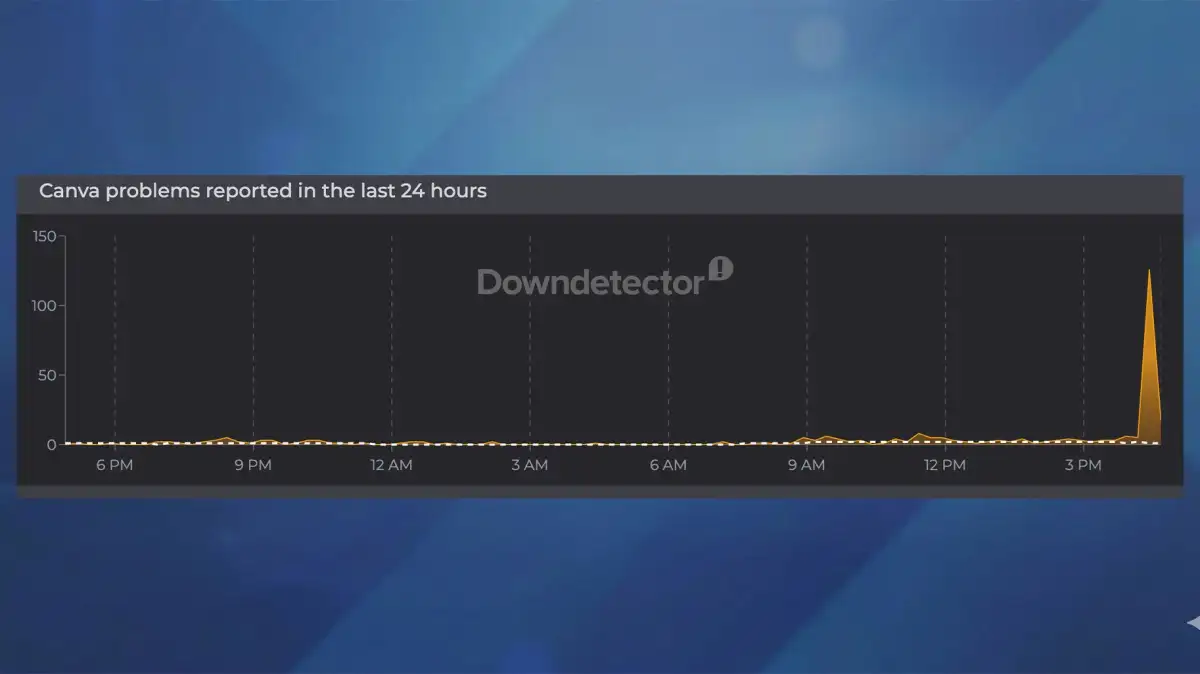
Reports peaked around 3:45 p.m. ET. For those inside the loop, the experience was a reminder that digital "convenience" relies on a massive, invisible, and sometimes brittle Data Architecture. By 8:00 p.m., the "DNS error" in the Virginia data center was reportedly smoothed over, and the flood of complaints slowed to a trickle.
Read More: Chrome mimeHandler API lets extensions handle file types

The internal friction of a "code deployment" implies that a manual update to the site's logic was the culprit. This was not a hacker strike or a physical disaster, but a self-inflicted wound caused by the very updates meant to keep the machine running.
Broader Context of System Decay
This event follows a week of tech instability. Only two days prior, on March 3, Facebook saw a similar mass exit of users due to an outage. More pressing is the shadow cast by recent physical Attacks on AWS infrastructure in the United Arab Emirates and Bahrain, where drone strikes hit three data centers. While Amazon insists these events are separate from the Thursday shopping glitch, the cumulative effect suggests a grid under heavy, jagged pressure.
Read More: Amazon Prime Day 2026 India: Big Discounts on Phones and Electronics
March 3: Facebook users report widespread access failures.
March 5 (Early): Reports of drone strikes on Middle East AWS hubs.
March 5 (Late): Amazon shopping site collapses due to "code deployment."
The infrastructure of modern life is heavy and slow to heal when the code turns sour. Even the largest store on earth is only one bad line of script away from being an empty screen.