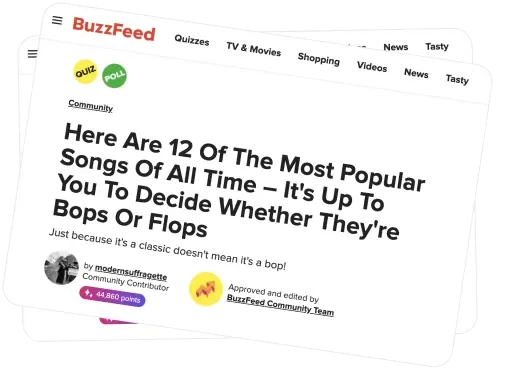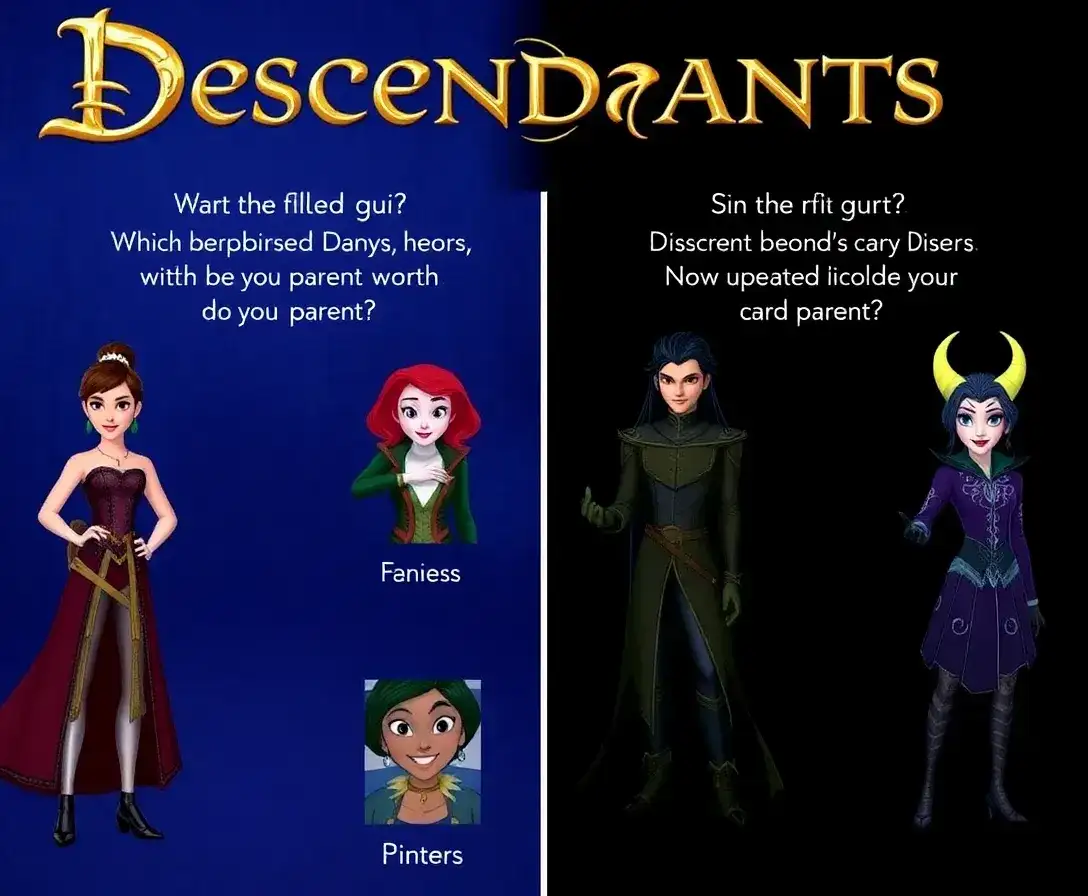
A new discussion unfolding across online forums highlights a growing phenomenon: the emergence of predictable, often repetitive, characteristics in content generated or enhanced by Large Language Models (LLMs). These distinct patterns, colloquially termed 'LLM smells' or 'AI smells,' are becoming increasingly apparent not just in written text but also in digital design. The widespread adoption of these tools has led to a homogenization, where once-novel AI-assisted outputs now present as recurring artifacts across the digital landscape.

This recognition stems from users observing consistent structural, stylistic, and even visual elements that betray an AI's hand in content creation. Early attempts to use LLMs for tasks like polishing written work, as described by one individual on Hacker News, were initially perceived as significant improvements over human writing, featuring better vocabulary and more interesting sentence structures. However, these enhancements appear to have become ubiquitous, leading to a point where their origin is now readily identifiable.
Read More: Lenovo Legion Pro 7 Laptop Price Cut $1000

Ubiquity in Text and Design
The 'AI smell' is not confined to textual content. Observations suggest a similar pattern is manifesting in web design, where AI-generated aesthetic choices are starting to blend into a recognizable visual identity. This indicates a broader trend of AI's influence shaping not only what is said but how it is presented online. The perceived quality of AI-assisted writing, while initially impressive, now risks undermining trust and authenticity when these predictable patterns become too obvious.
Specific examples of these textual patterns include:

—Tendencies toward oddly-specific content, even in short pieces.—
—Repetitive explanations of fundamental concepts, regardless of the subject matter's complexity (e.g., explaining basic system functions when discussing advanced topics like Kafka retry rates or P95 latencies).—
—The use of AI-generated headers or visual elements in presentations, which, regardless of the content's quality, can be perceived as a 'smell'.—
Evolving Detection and Implications
The development of methods to detect these 'LLM smells' is becoming an area of interest, with preliminary research exploring taxonomies and detection approaches for code-generated by AI. While specific technical details are still emerging, the core concern revolves around the discernibility of AI's involvement. The potential consequences for creators, as noted in one account, involve a loss of trust and, consequently, potential financial repercussions if their content is readily identified as mass-produced or lacking genuine human insight.
Read More: Spider Solitaire Game Popularity Rises Online in May 2026
This discussion surfaces amid broader reports on AI advancements, such as Microsoft's 'Project Ire' aimed at autonomous malware classification, underscoring the accelerating integration of AI across various sectors. The 'LLM smells' phenomenon, however, points to a critical byproduct of this integration: the emergent challenge of distinguishing genuine human creativity from predictable, AI-driven output.