Online romance scams are becoming more convincing, leveraging artificial intelligence to target individuals, particularly during periods like Valentine's Day when emotions run high. These scams exploit personal data found online to accelerate intimacy, often leading victims to financial loss and emotional distress. While the use of AI intensifies these threats, established methods of detection and defense remain effective.

Escalating Tactics in Digital Deception
Romance scams, long a persistent issue, are evolving with the integration of advanced technologies like AI. Scammers are increasingly adept at creating seemingly authentic online personas, making it harder for individuals to distinguish genuine connections from malicious deception. This shift is particularly concerning as Valentine's Day approaches, a time when people may be more susceptible to forming new relationships.

The Mechanics of AI-Driven Romance Fraud
The success of these scams often hinges on the extensive personal information readily available online. Scammers meticulously gather details such as age, marital status, home addresses, family connections, and financial profiles. This profiling allows them to tailor their approach, mirroring a victim's values and experiences to build rapid trust and emotional rapport.
Read More: AI Claims It Can Find Online Grooming Today

Data Harvesting: Information is collected from various online platforms to construct a detailed victim profile.
Accelerated Intimacy: Scammers quickly express strong feelings and simulate deep connections.
AI Enhancement: Emerging AI tools are making these fabricated personas more convincing, potentially mimicking real-time communication.
Identifying Red Flags: A Shield Against Scammers
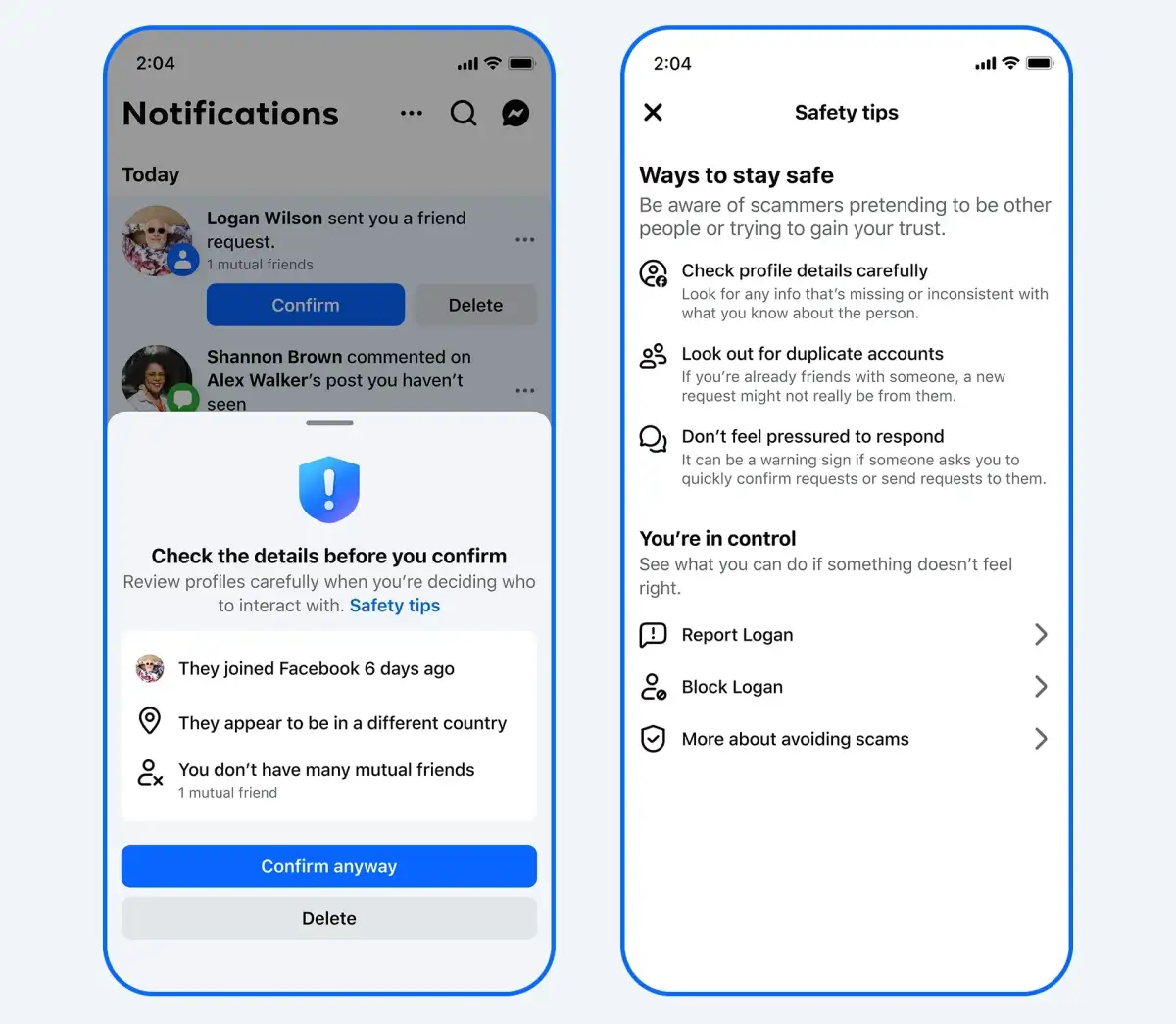
Recognizing the warning signs is crucial for self-protection. A key indicator is a rapid escalation of emotional bonding, where a scammer declares love or intense feelings very early in the interaction. Furthermore, a request for money, especially under the guise of an emergency, is a significant red flag.

Early Declarations of Love: Professing deep affection after only a few messages.
Requests for Financial Assistance: Asking for money, particularly for unexpected emergencies.
Urgency and Pressure: Creating a sense of urgency to elicit a quick response or transaction.
Platform Inconsistencies: The individual's persona or details may not align across different online platforms.
The Role of AI in Modern Scams
Artificial intelligence is making these scams more sophisticated. AI can be used to generate more realistic profile pictures and even create content that mimics human conversation patterns, making it harder to discern real from fake. Reports indicate the potential for AI-generated deepfakes in romance scams, further blurring the lines of authenticity.
"If you could see someone talk and respond in real time, you would feel confident you were talking to a real person." - ScienceAlert
Deepfake Potential: AI could be used to create fabricated video or audio that appears genuine.
Automated Communication: AI may assist in crafting persuasive messages at scale.
Financial and Emotional Ramifications
The consequences of falling victim to these scams are severe, extending beyond financial loss to include significant emotional pain and embarrassment. Reports indicate that a notable percentage of individuals have lost money to romance scams, with some losing their entire life savings.
Read More: AI Images Used in Romance Scam Against Pensioner
Financial Loss: Victims often transfer money, sometimes repeatedly, to the scammer.
Emotional Impact: The betrayal and realization of being deceived can lead to profound heartbreak and embarrassment.
Reporting Difficulties: Many victims do not report scams due to shame.
Protective Measures and Reporting Channels
Several steps can be taken to safeguard oneself against these evolving threats. Sticking to reputable dating platforms, verifying identities across different online presences, and maintaining a healthy skepticism are essential.
Platform Verification: Ensure the dating app or website is legitimate, preferably downloaded from official app stores.
Identity Cross-Checks: Confirm the person's identity across multiple platforms.
Reverse Image Searches: Use tools to check if profile pictures are stolen.
Financial Prudence: Never send money to someone you have not met in person.
Reporting Mechanisms: Organizations like the FTC and BBB Scam Tracker offer avenues for reporting and can help others avoid similar deceptions.
"Fifteen percent of Americans said they've lost money to an online dating or romance scam, McAfee reported." - Mashable
Conclusion: Vigilance Amidst Technological Advancement
The integration of AI into romance scams presents a more complex and potentially devastating threat. However, by remaining informed about the tactics employed, recognizing common red flags, and adopting cautious online behaviors, individuals can significantly reduce their vulnerability. Prompt reporting of suspected scams to relevant authorities is vital to help mitigate the spread of these deceptions and protect potential future victims.
Sources
McAfee Blog: https://www.mcafee.com/blogs/internet-security/online-dating-ai-research-romance-scams/
ScienceAlert: https://www.sciencealert.com/how-to-spot-an-online-romance-scam-before-it-costs-you-everything
Mashable: https://mashable.com/article/romance-scammer-red-flags-to-look-out-for
Fox News: https://www.foxnews.com/tech/2026-valentines-romance-scams-how-avoid-them
The Conversation: https://theconversation.com/a-new-wave-of-romance-scams-is-washing-across-the-internet-heres-how-to-stay-safe-274121
Check Point Research: https://blog.checkpoint.com/research/love-is-in-the-air-and-so-are-scammers-valentines-day-2026-threats-to-watch-for/
USA Today: https://www.usatoday.com/story/money/2025/02/12/valentines-day-romance-scams-what-to-do/78058000007/