Pensioner Loses Significant Sum to Elaborate Deception
A lonely Brazilian pensioner has been defrauded of approximately £7,500 after falling victim to a sophisticated romance scam. The perpetrators reportedly employed dubious artificial intelligence-generated images to fabricate an online romantic relationship, impersonating the well-known musician James Blunt. The victim, described as lonely, was convinced she was engaged in a genuine relationship with the singer.

The scam hinged on the promise of romance and the exploitation of the victim's emotional vulnerability, amplified by fabricated visual evidence.

The individual recounted how the scammer, posing as Blunt, claimed financial hardship due to alleged disputes with management and frozen accounts. He reportedly stated he lacked funds for basic necessities. Believing she was assisting the artist she admired, the pensioner began transferring money and even secured bank loans to facilitate these payments. The ruse unraveled when the purported Blunt ceased communication after the victim reached a bus terminal.
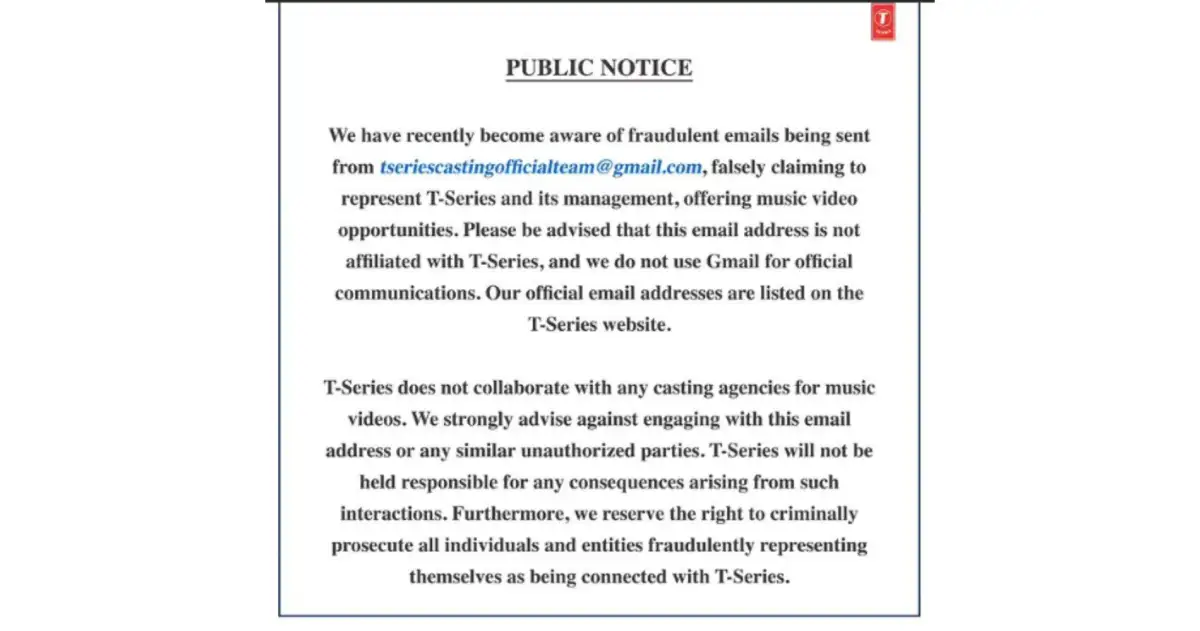
Read More: T-Series warns of fake emails offering fake music video jobs

The deception was exposed when the pensioner investigated the singer's whereabouts, discovering that the actual James Blunt was touring Europe at the time and had no presence in Brazil. The victim subsequently blocked the imposter and reported the fraud to the police. Despite this, the scammer has allegedly persisted in attempting to contact her via other communication platforms. Further embellishments by the fake Blunt included claims of stolen luggage at Sao Paulo airport. The scams involved repeated assertions of being robbed or stranded, often sleeping in dire conditions like petrol stations or bus terminals, while persistently soliciting more funds.

Broader Context of Romance Scams
This incident is not an isolated phenomenon. Recent reports highlight the pervasive nature of such fraudulent activities. A Cambridgeshire widow was previously scammed out of over £500,000 in a romance fraud scheme, leaving her homeless. Authorities in Cambridgeshire noted they encounter approximately four such cases weekly, with bringing perpetrators to justice proving "often almost impossible." Law enforcement agencies emphasize that education is a critical component in preventing romance fraud, advising the public on methods to identify and report these scams. The sophistication of these operations is underscored by the use of AI-generated imagery, adding a new layer of complexity to identifying deceptive practices.
Read More: Chrome mimeHandler API lets extensions handle file types