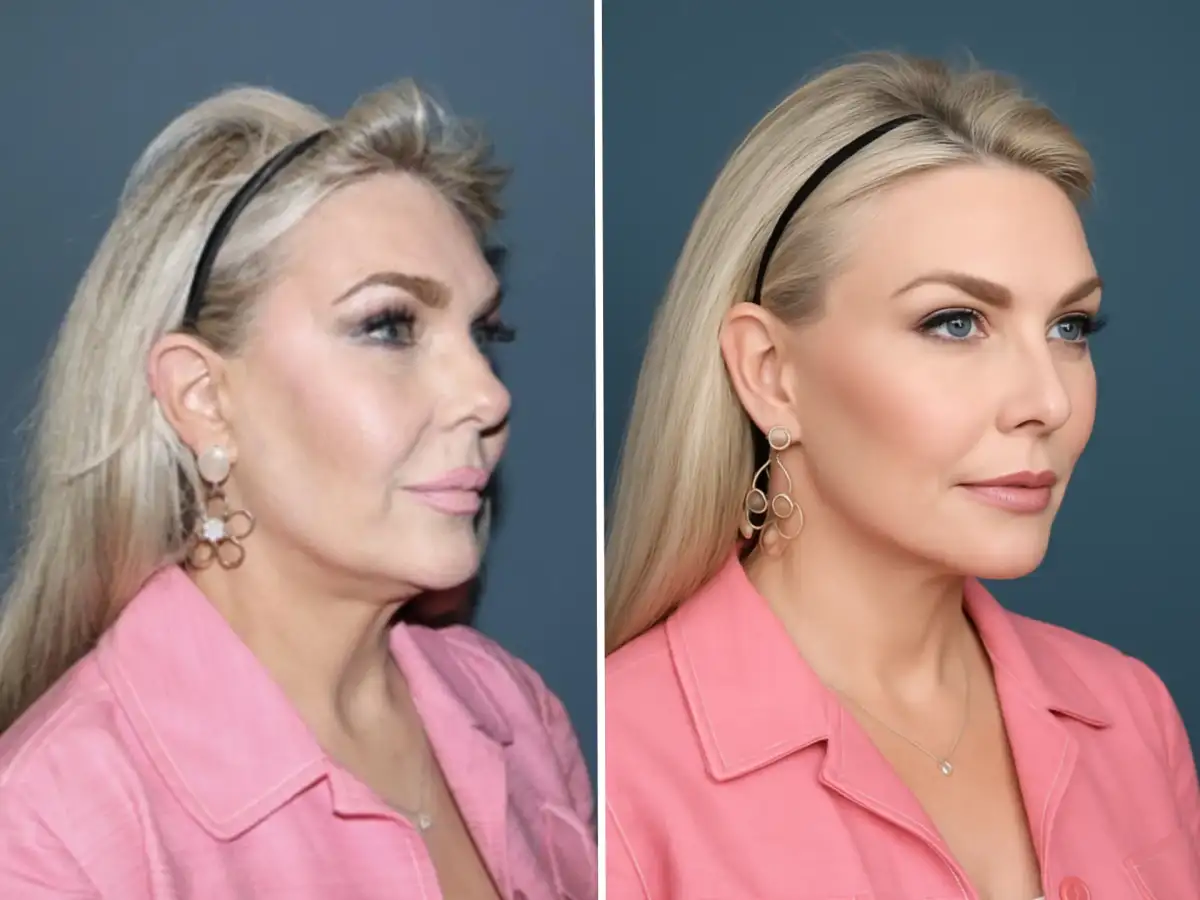
Patients are increasingly bringing AI-generated images to plastic surgeons, creating a disconnect between digitally crafted ideals and surgical realities. Surgeons report facing requests based on outputs that defy biological limitations, leading to frustration and the need to manage deeply entrenched, often unattainable, beauty standards.
Disconnect Between Digital and Real
Plastic surgeons are confronting a surge in patient consultations featuring AI-generated visuals, portraying desired surgical outcomes. These digital representations frequently depict features that are, according to medical professionals, "physically impossible" or "unrealistic" given individual anatomy, skin type, and skeletal structure.
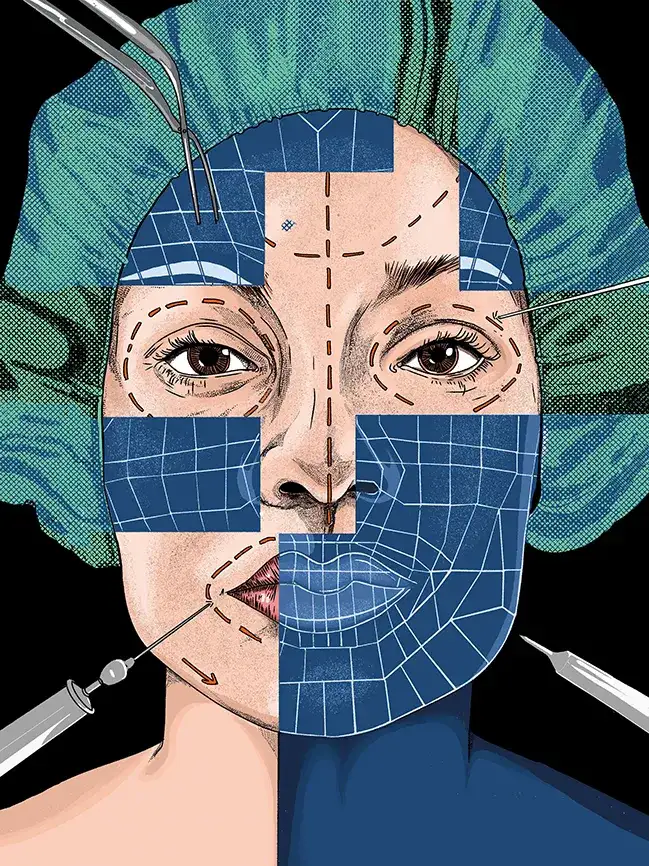
The AI Mirror: Patients utilize tools like ChatGPT and other image generators to visualize potential results after procedures. This reliance on AI for aesthetic guidance is a relatively recent development, contrasting with previous eras where plastic surgery outcomes were primarily discussed based on surgeon expertise or less sophisticated digital manipulations.
Unattainable Ideals: Doctors describe encountering images that resemble cartoons more than human faces, highlighting the chasm between AI's creative capacity and the constraints of human biology. This forces surgeons into the role of educators, explaining why a particular result cannot be achieved.
Reshaping Standards: The proliferation of AI-generated faces, alongside social media filters, is identified as a significant factor in reshaping prevailing beauty standards. This trend pushes individuals to pursue surgical modifications that align with digitally enhanced, rather than natural, appearances.
Case Examples Highlight the Gap
Reports detail patients who, after undergoing procedures, find their actual results bear little resemblance to the AI-generated images they presented. This discrepancy underscores the fundamental misunderstanding of AI's capabilities and limitations by some consumers.
One patient, seeking a facelift, used ChatGPT to preview the outcome. The AI produced an image featuring pore-less skin and a sharp jawline, which ultimately differed significantly from her post-surgery appearance.
Challenges for Practitioners
The rise of AI-influenced patient expectations presents multifaceted challenges for plastic surgeons. Beyond managing disappointment, there are ethical considerations and the need to re-establish realistic dialogue.
Read More: Sian Welby feels guilty about father's dementia
Managing Expectations: A primary task for surgeons has become tempering these heightened expectations, often necessitating detailed explanations about biological constraints.
Ethical Implications: Professionals stress the importance of patients understanding the limitations of AI and considering the broader physical and psychological ramifications of their aesthetic desires.
The Evolution of Pre-Surgery Visuals
Historically, plastic surgery consultations might have involved examining portfolios of previous work or discussing surgeon-provided simulations. The advent of sophisticated AI image generation has introduced a new, often problematic, variable into this process. While AI tools might eventually enhance surgeons' own visualization capabilities, their current impact is largely characterized by the disconnect they create.