


SYSTEMS ANALYZE FACIAL STRUCTURES, COAT PATTERNS TO IDENTIFY MISSING ANIMALS
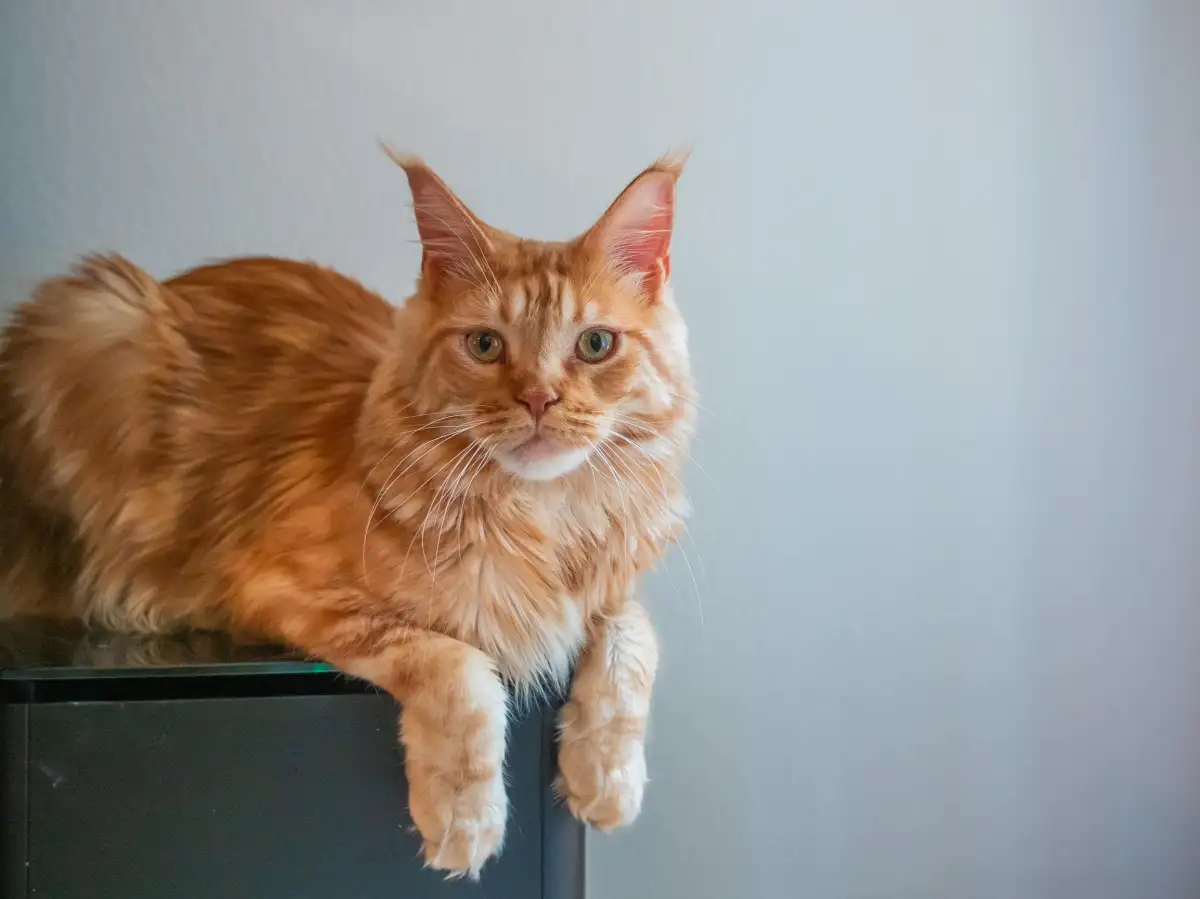
A surge in the use of artificial intelligence is assisting in the reunification of lost pets with their owners, employing image analysis technology to scan vast databases of animal photos. Platforms like Petco Love Lost ingest user-submitted images of missing pets and compare their unique features—such as facial structure, coat patterns, and ear shape—against a repository of found animals reported by shelters and rescue organizations. When a potential match is detected, the system sends alerts to the pet's owner.

This approach leverages computer vision, a form of AI that allows systems to "see" and interpret images. Unlike older methods that relied on chance sightings or manual searching through countless shelter listings, this technology offers a more systematic and potentially faster route to recovery. Reports indicate that a significant number of stray pets end up in shelters, making these databases a critical resource. The statistics suggest a commonality to pet disappearance, with figures estimating that one in three pets go missing at some point in their lives.
Read More: Chrome mimeHandler API lets extensions handle file types
BEYOND FACIAL RECOGNITION: A BROADER DIGITAL NET
The effectiveness of these AI tools is amplified by their ability to aggregate data from various sources. Beyond direct shelter uploads, the systems also scan social media posts and neighborhood alert platforms, casting a wider net for potential sightings. This integration with community-based applications, such as those used for local alerts, allows for quicker dissemination of information and alerts.

The technology is described as being able to recognize pets even when their appearance changes significantly after becoming lost, a crucial factor given that animals can become disheveled or injured. For instance, one account details a cat returning home covered in grease and having lost weight, yet still being identified. Another initiative, Amazon Ring AI Search Party for Dogs, allows individuals, even those without Ring cameras, to initiate a search that can flag footage from nearby cameras if a missing dog is detected.
Read More: Savage Industries Dog Harnesses Tested for Better Walks

THE HUMAN ELEMENT: EMOTIONAL REPERCUSSIONS AND PRACTICAL APPLICATIONS
The emotional toll of losing a pet is profound, and these AI tools offer a glimmer of hope in distressing situations. Stories recount tearful reunions, such as the case of a young girl unable to give her lost dog, Lucy, a Christmas gift. The relief and joy experienced by owners upon recovery are central to the narrative surrounding this technology.
The application of AI in this context is not confined to routine disappearances; it has also been highlighted as a resource during and after natural disasters. When communities are displaced, pets often become separated from their families, and systems like Love Lost can help facilitate reunions in chaotic environments.
BACKGROUND: A GROWING DIGITAL ECOSYSTEM FOR PET RECOVERY
The development and deployment of AI for pet recovery represent a significant technological intervention in a long-standing problem. Platforms such as Petco Love Lost and academic research into contrastive neural network models demonstrate a dedicated effort to refine these tools. The services are often offered free of charge to pet owners and shelters, aiming for broad accessibility. Registration of pets, even when they are safe at home, can pre-emptively build a database for future use should they go missing. The underlying principle is to create a comprehensive, searchable database that capitalizes on image recognition to overcome the limitations of manual searching.
Read More: BEREC Asks for Mobile Network API Ideas from Developers



:strip_icc()/GettyImages-688951857-586d7be13df78c17b6e3a3cb.jpg)


