

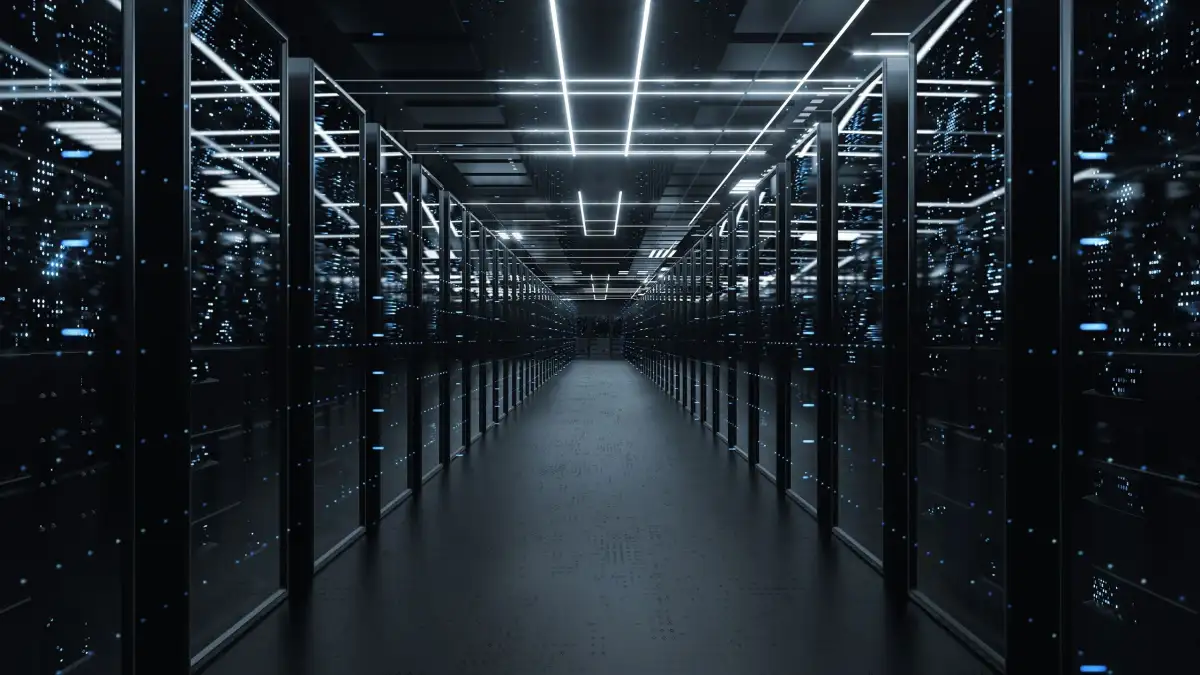
The relentless appetite for processing power fueled by the 'generative AI revolution' is fundamentally reshaping the global hardware landscape, creating significant supply chain strains and driving up prices for a broad spectrum of electronic devices. This surge in demand, particularly for specialized AI components and the memory chips they require, is causing a ripple effect, leading to shortages and cost increases across the board. Manufacturers are reorienting production towards more lucrative AI-centric hardware, directly impacting the availability and cost of components for everyday consumer electronics.

The AI Data Center Engine
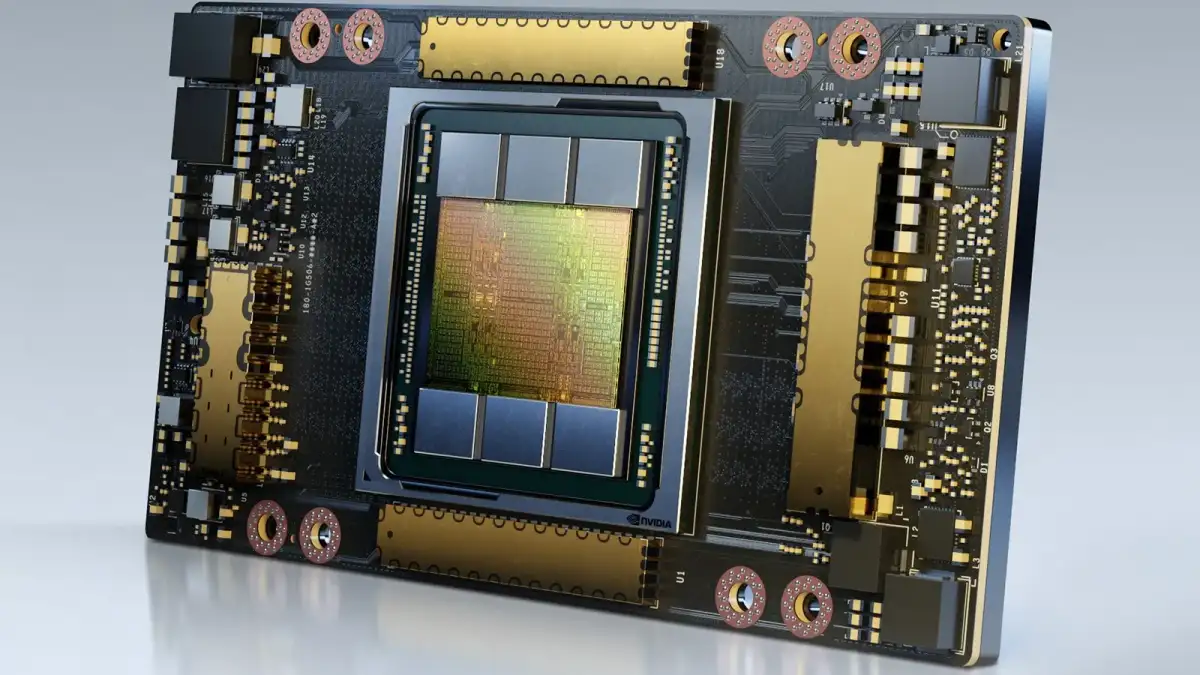
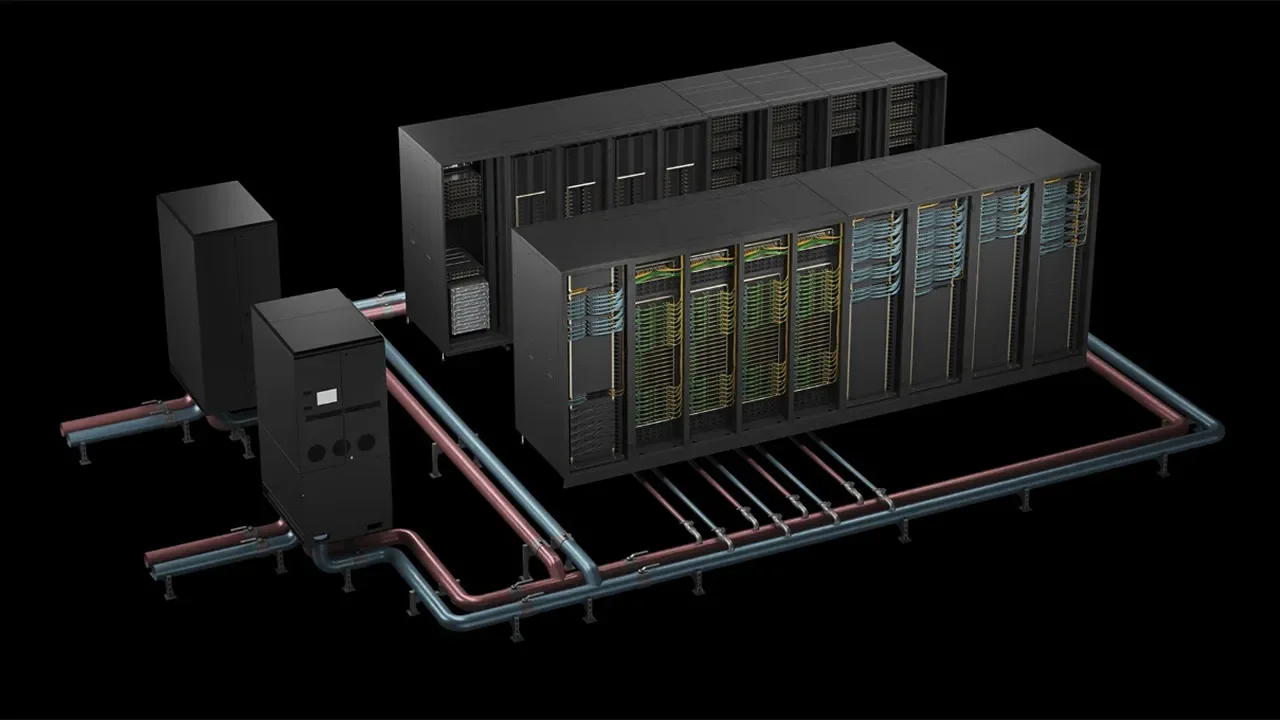
At the heart of this disruption lies the burgeoning construction of AI data centers. These massive facilities, requiring substantial investment from tech giants, depend on advanced hardware, including powerful graphics processing units (GPUs) and high-bandwidth memory (HBM). The demand for these specialized components is so intense that it's creating bottlenecks, not only in the production of AI chips themselves but also in the critical supply chains for memory and other essential parts. Companies like Nvidia, a key player in this ecosystem, rely on a complex network of suppliers, and any imbalance in this chain has immediate and far-reaching consequences.
Read More: Chrome mimeHandler API lets extensions handle file types
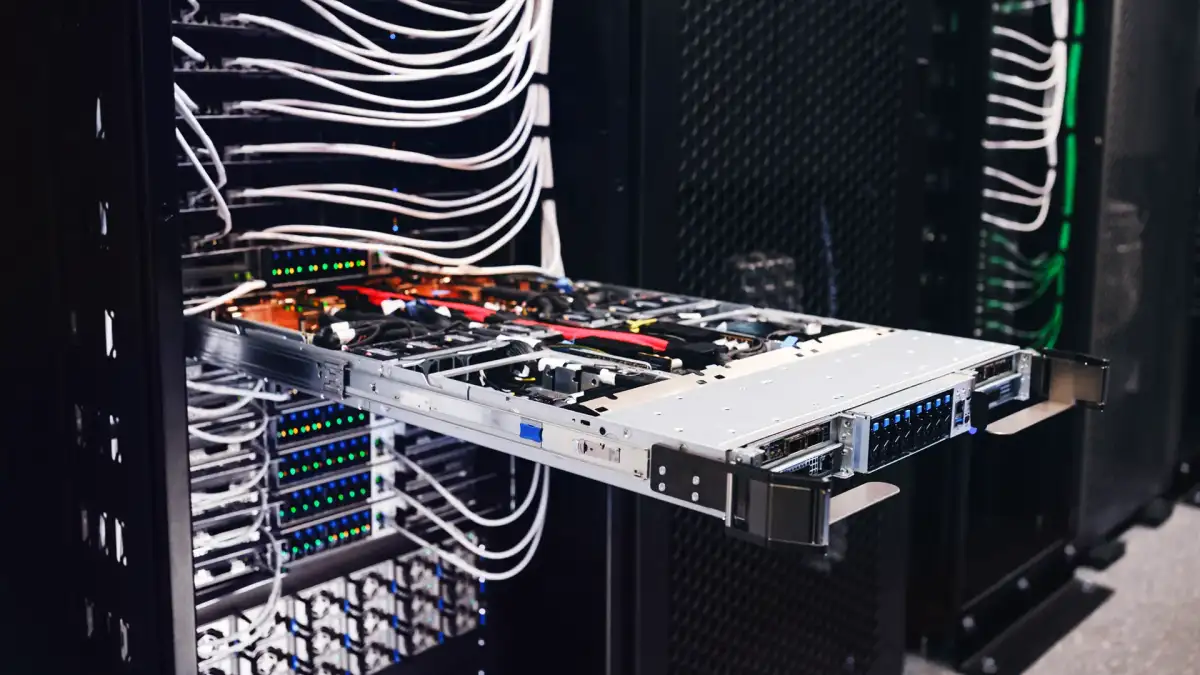
The squeeze spans nearly every type of memory chip, from the flash memory in smartphones and USB drives to the advanced HBM needed to feed AI processors. This shift in manufacturing focus, from consumer-grade components to high-demand AI hardware, has effectively turned the market on its head. What was once a landscape of cheap and abundant memory is now constrained, forcing designers and manufacturers to work around these limitations. This scarcity directly translates to higher costs for consumers, with reports indicating price hikes for products ranging from smartphones and PCs to televisions.
Price Hikes and Shifting Dynamics
The impact on pricing is becoming increasingly evident. While some analysts suggest that a potential waning of consumer demand for general hardware might eventually lead to price stabilization as companies compete for market share, the immediate future appears marked by rising costs. The trend of steadily declining computer costs over the past four decades has been reversed by the AI boom. Furthermore, the immense energy consumption of AI data centers is straining national power grids and contributing to increased utility bills, adding another layer of cost.
Read More: 2026 Home Sales Slow: Price and Look Matter Most for Sellers
However, not all segments of the market are experiencing the same pressures. Apple, through its strategy of vertical integration, has managed to maintain competitive pricing for its MacBook Neo line. This stands in contrast to Windows laptops with comparable performance specifications, which have seen "meaningful price increases" over the last year. The MacBook Neo, featuring a colorful aluminum chassis and up to 16 hours of battery life, has proven to be a strong performer on sales platforms, with a significant number of units sold and high customer review ratings.
Supply Chain Scramble
The scramble for essential components extends to raw materials as well. China's dominance in processing rare earth elements like neodymium, critical for high-performance data center hardware, adds another geopolitical and economic dimension to the hardware arms race. Companies like Micron, Samsung, and SK Hynix are reportedly boosting production capacity and seeing their stock prices rally on the back of this elevated demand, yet the underlying scarcity persists.
Read More: BEREC Asks for Mobile Network API Ideas from Developers
This dynamic has led to what some describe as an "artificial squeeze" on everyday DRAM and NAND memory. Manufacturers have redirected production lines towards the more lucrative AI and server chip markets, leaving less capacity for consumer devices. The knock-on effects of even minor supply-demand imbalances are significant, contributing to the broader memory pricing challenges. This situation underscores a fundamental shift in technological priorities, where the insatiable demand for AI capabilities is recalibrating the entire hardware ecosystem.




