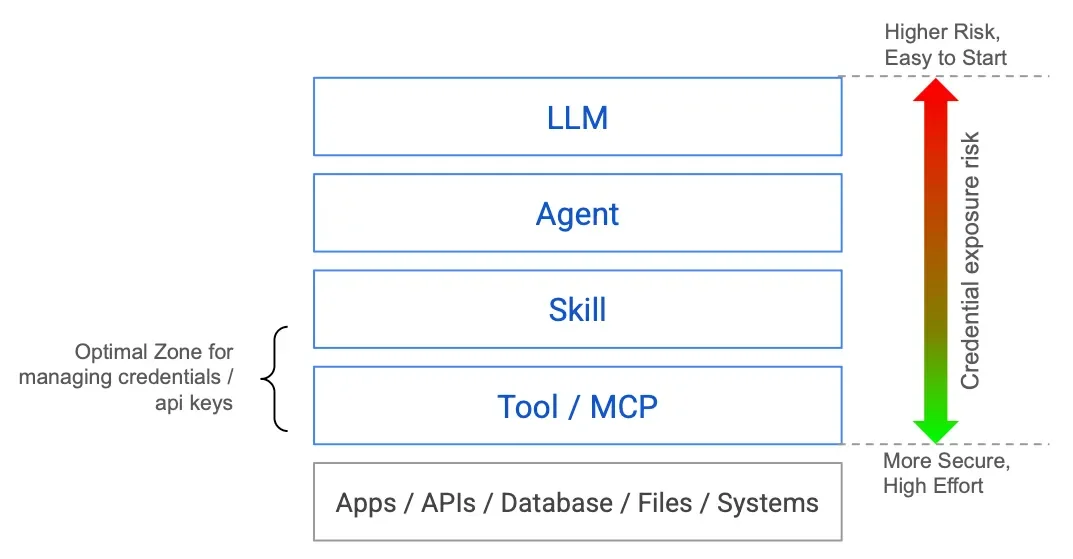
Recent discussions and reports highlight persistent issues with AI agents accessing and potentially exposing sensitive API keys, jeopardizing user data and system integrity. A core challenge identified is the broad access agents often have within their runtime environments, leading to the risk that compromised agents can access credential stores.
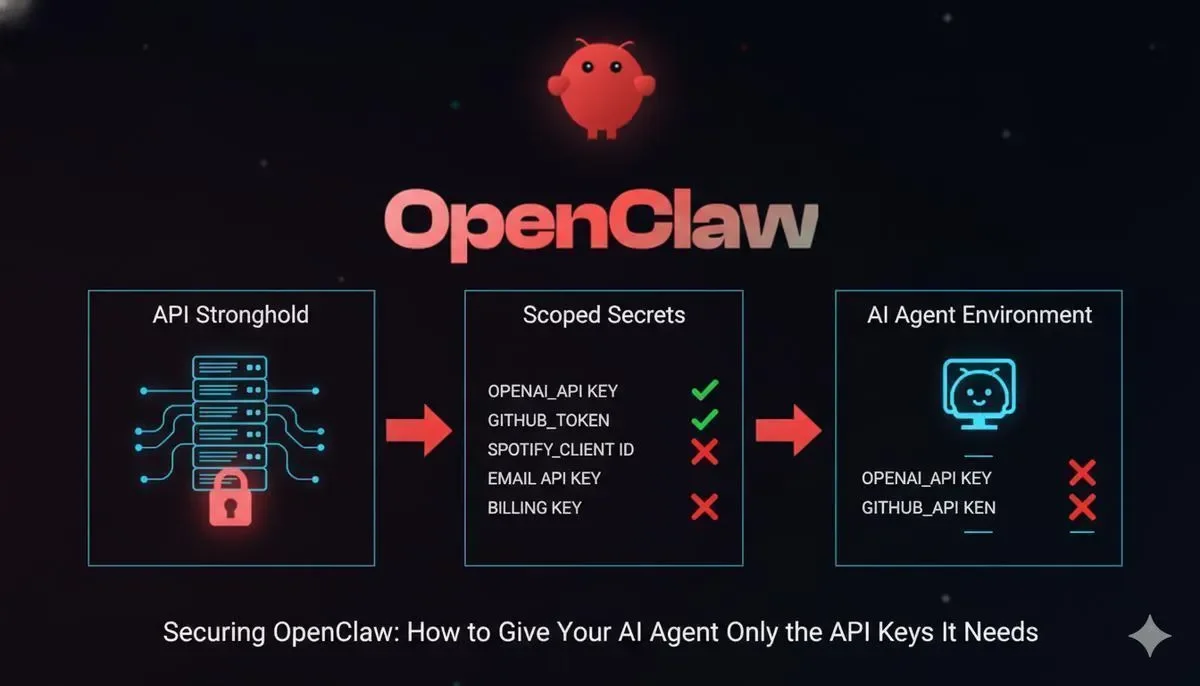
The primary concern revolves around how AI agents handle API keys, with revelations of agents being able to access, and thus potentially leak, these sensitive credentials. This stems from the fundamental design where the agent's runtime environment often possesses extensive access permissions.
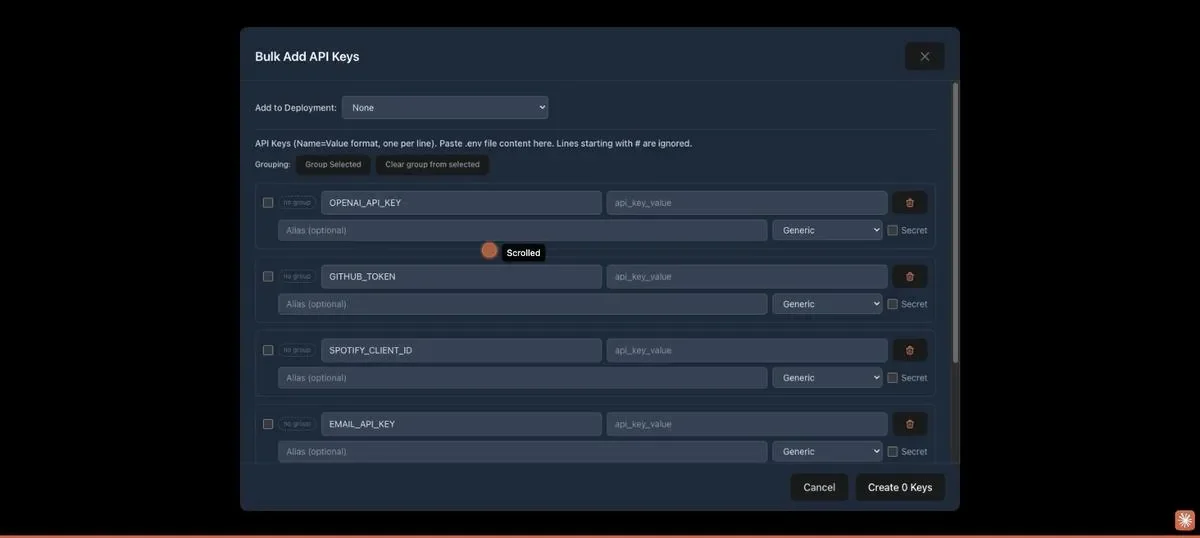
Credential Management: A significant point of contention is the absence of robust credential management systems for AI agents. In scenarios where an agent maintains its own token database, a breach of that agent directly compromises the stored credentials. Some emerging patterns aim to prevent this by ensuring the agent itself doesn't hold tokens directly.
Scoped Access: The concept of 'scoped' API keys, limiting an agent's access to only what's necessary for its tasks, is gaining traction. This approach, as seen with tools like 'API Stronghold CLI', allows for more granular control, where an agent can invoke specific commands to manage and utilize keys without having direct, broad access to them.
Delegated Authorization: Traditional API keys are noted for their lack of a delegated authorization model, meaning they don't inherently convey user identity or context of use. This contrasts with systems that support scoped consent and can demonstrate delegated authority, offering a more secure alternative.
Multi-Agent Architectures: In systems involving multiple interacting agents, the security considerations extend. Calls between agents are often treated similarly to external calls, requiring confirmation that the target API's audience matches the calling agent's intended purpose and authorization logic.
Exposure Incidents and Preventative Measures
Instances of exposed API keys have led to the compromise of private user data, including accounts, forms, and histories. Developers are urged to remove immediately any exposed keys. This issue is not new, with past vulnerabilities seen in projects like 'OpenClaw', where numerous "leaky skills" were identified as potential conduits for exposing API keys and personally identifiable information.
Read More: Chrome mimeHandler API lets extensions handle file types
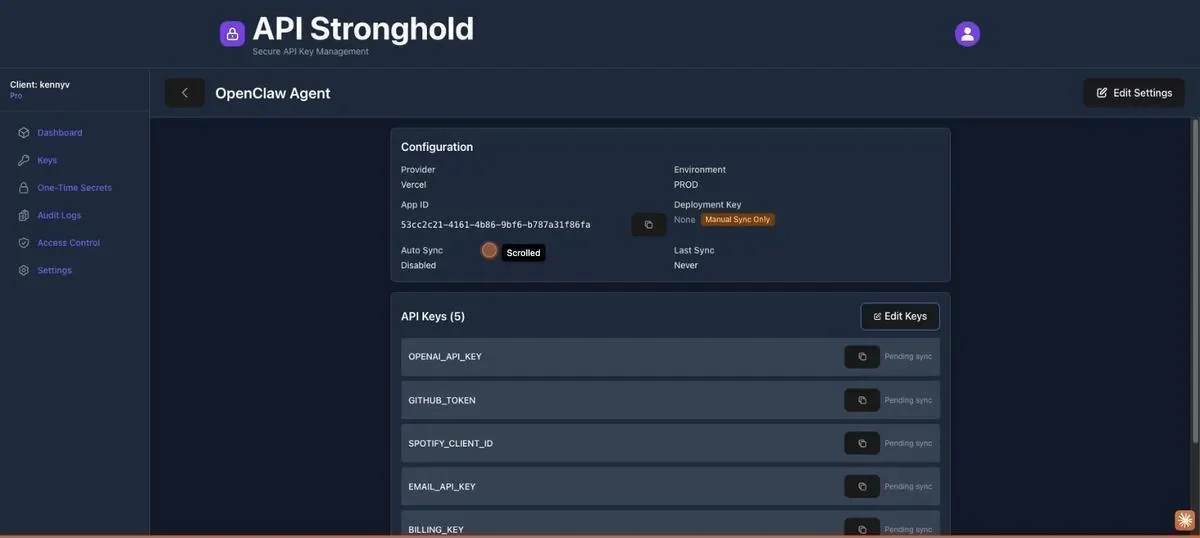
Code Commit History: A common oversight involves embedding API keys directly into code that is then committed to version control systems. Once in the commit history, these secrets can be permanently exposed and are extremely difficult to remove.
Development vs. Production: Using production API keys during local development is a critical mistake. Such keys, if accidentally pushed to public repositories, grant immediate access to live production systems.
Secure Storage: Best practices strongly advise against embedding API keys within application source files. Instead, secure configuration files or dedicated secrets management solutions are recommended for storing these sensitive credentials.
Broader Security Frameworks
The discussions also touch upon how AI agents fit into broader security landscapes.
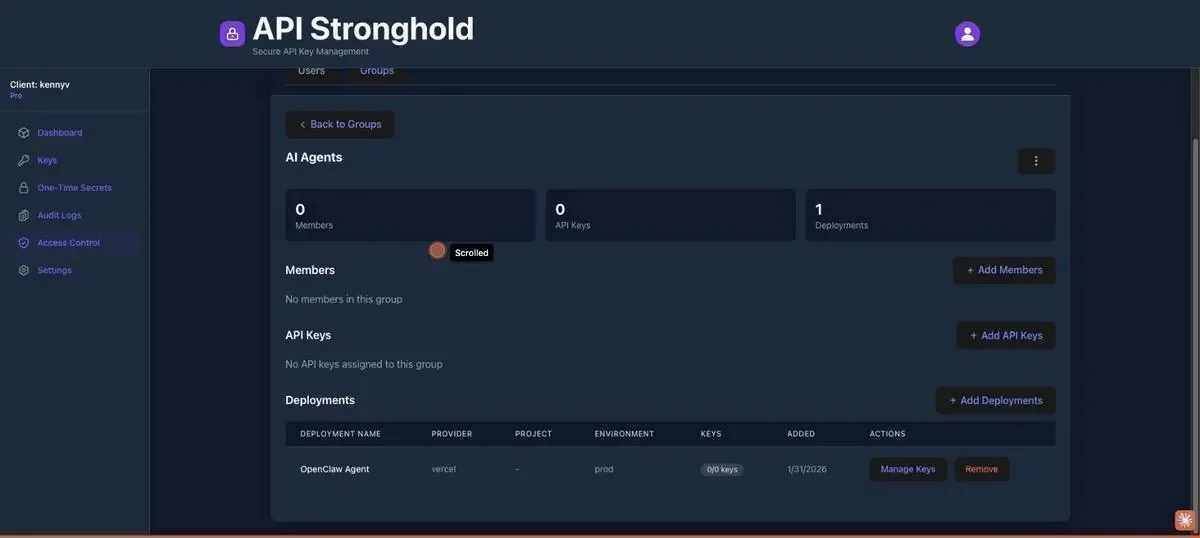
Zero-Trust Environments: Some new security layers, like 'Agent Gateway', propose a "zero-trust" approach for AI agents. This model enforces strict boundaries, particularly when combined with network policies, ensuring that security does not rely on the agent's predictable behavior.
API Gateways and Proxies: The introduction of proxies, such as the 'Agent Gateway' from Runloop, acts as a security layer to guard secrets. This gateway works in conjunction with network policies to enforce defined boundaries for agent operations.
User Parity: A perspective suggests treating AI agents similarly to human users, providing indirect access to resources. This could involve mechanisms like temporary AWS access keys with restricted permissions for development environments, rather than granting agents direct access to highly sensitive private keys.
Background on API Key Security
The fundamental issue with API keys is their potential for misuse when exposed. Unlike more sophisticated authentication methods, simple API keys often lack built-in mechanisms for granular control or delegation. This means a single compromised key can grant broad access, bypassing the intended limitations of the API. The proliferation of AI agents, which often require API access to perform their functions, has amplified these concerns. Developers and platform providers are actively exploring and implementing more robust security patterns to mitigate these risks, focusing on principles like least privilege, secure storage, and continuous monitoring.