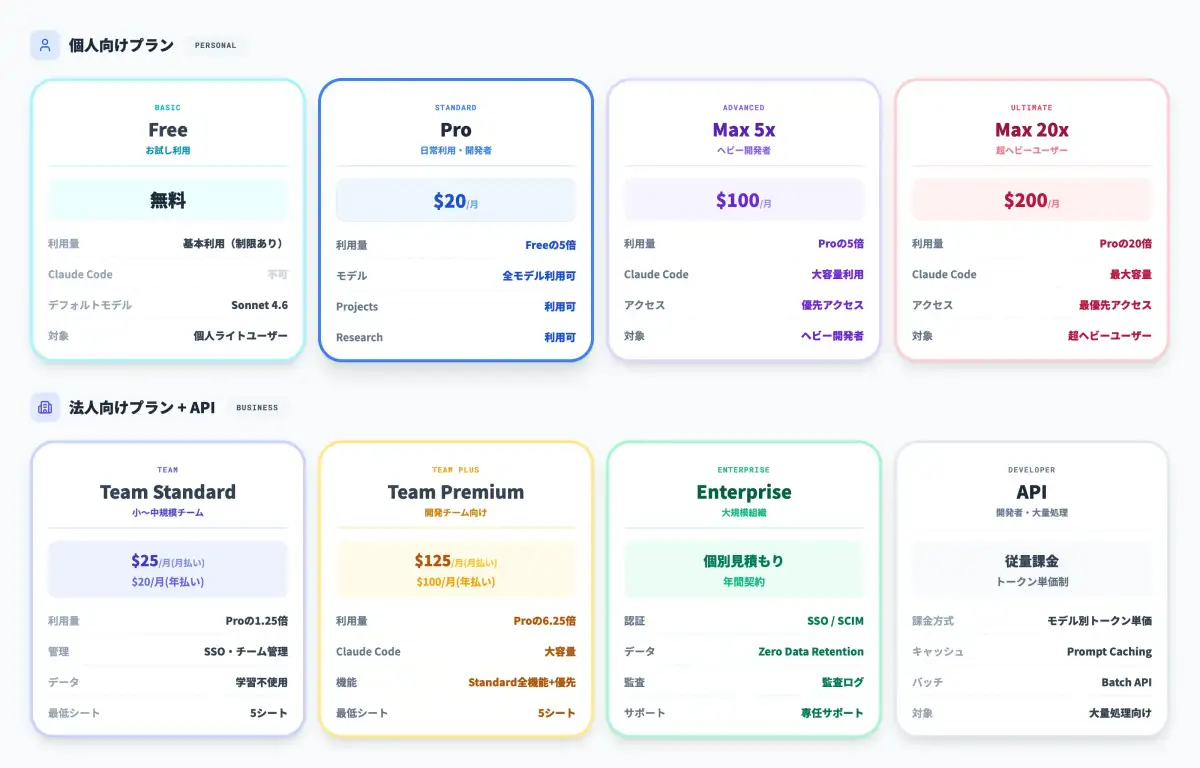
Anthropic has released Claude Opus 4.8, a new iteration of its AI model, featuring enhanced "effort controls" and dynamic workflows for Claude Code. This development follows a significant Series G funding round, reportedly securing $30 billion and valuing the company at $380 billion. The AI firm is bolstering its market position through strategic partnerships with major cloud providers like AWS, Google Cloud, and Microsoft Azure, and forging new alliances, including a notable collaboration with NEC announced on April 23, 2026, focused on enterprise AI solutions for the Japanese market.
The latest release, Claude Opus 4.8, signifies a push towards more nuanced control and adaptive capabilities in AI-assisted tasks. This upgrade is presented as an advancement in areas such as coding, agentic operations, and professional workflows, emphasizing consistency for prolonged tasks. The company, structured as a public benefit corporation, reiterates its commitment to developing AI that is both beneficial and risks are mitigated.
Read More: Microsoft and Nvidia launch N1X AI PC on January 12 2026
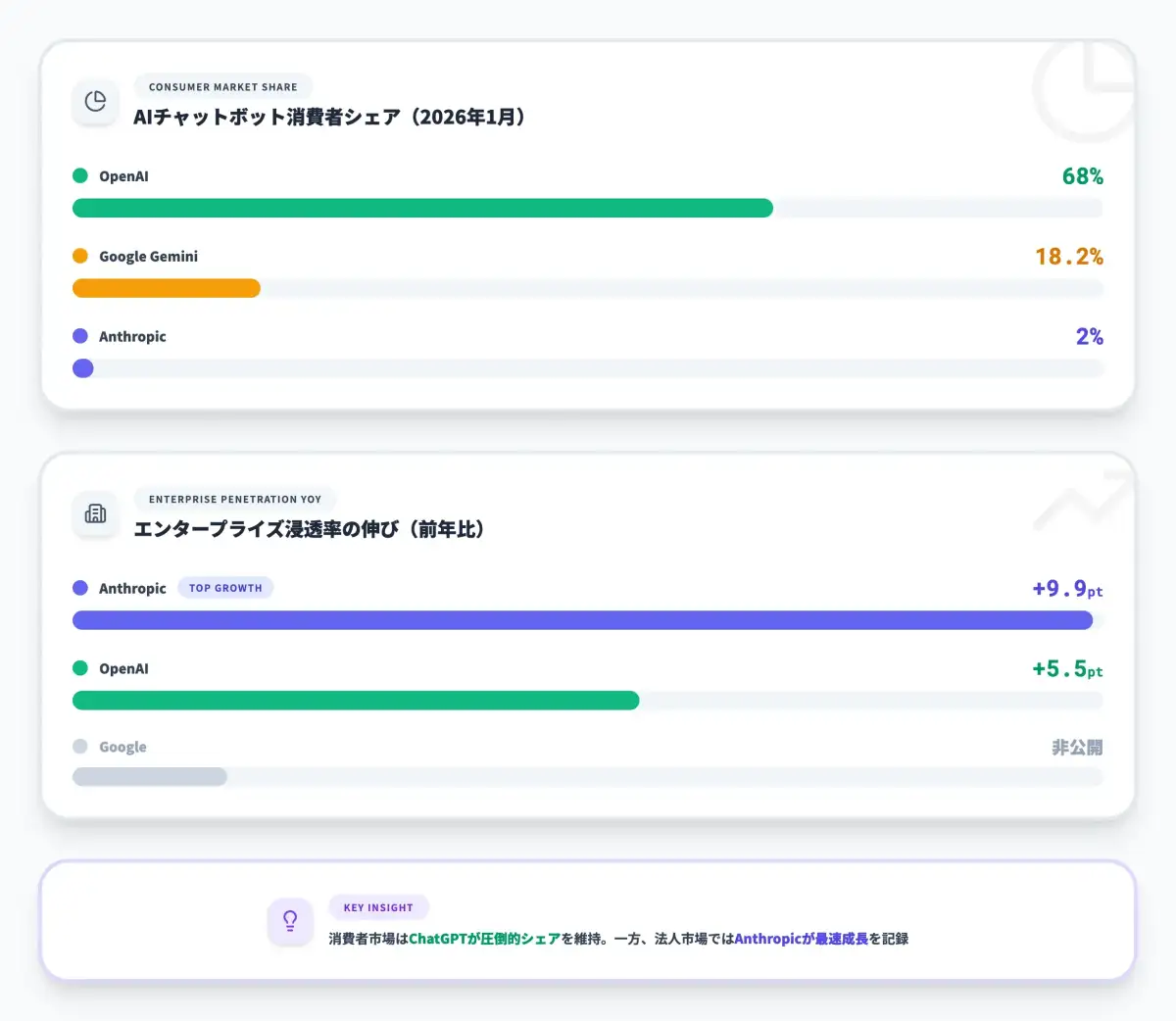
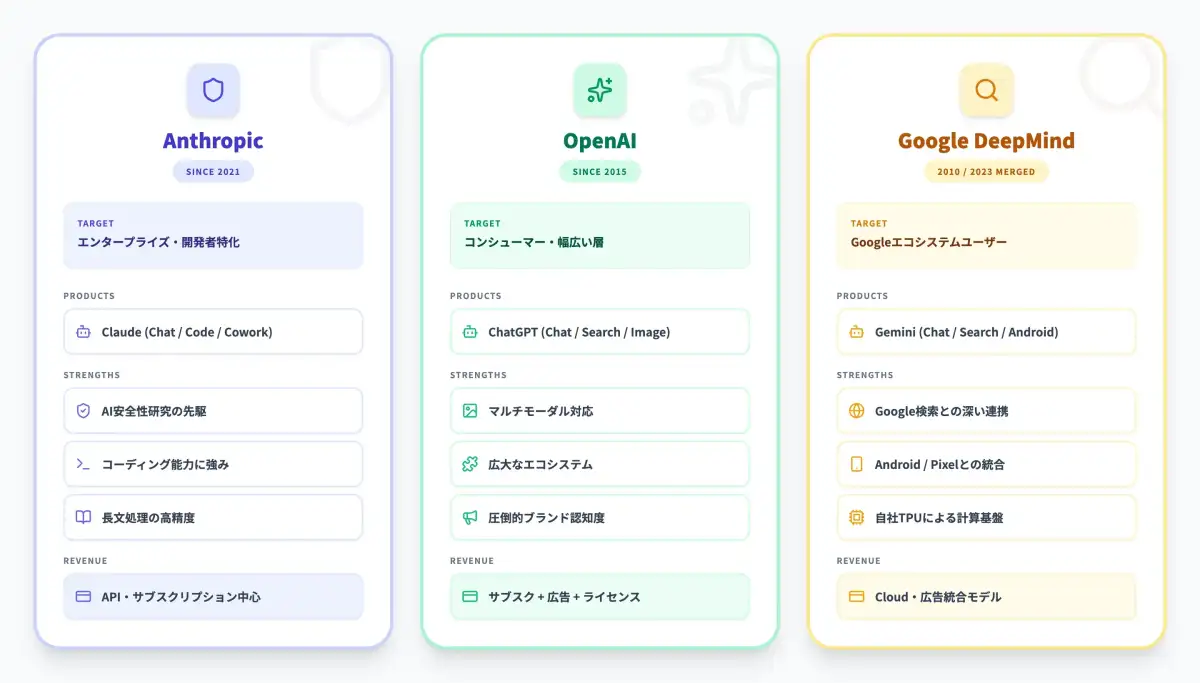
Anthropic's trajectory indicates a deliberate strategy to differentiate itself from competitors like OpenAI and Google DeepMind. While OpenAI pursues a broad multimodal generalist route and Google DeepMind integrates research, Anthropic is charting a course focused on the intersection of safety and practicality, positioning itself favorably for enterprise adoption. This approach is exemplified by dedicated tools such as Claude Code for coding assistance, and an emphasis on long-form content processing and analysis with Claude Opus. The integration of Claude Cowork further suggests a move towards facilitating team collaboration within AI-assisted environments.
Corporate Milestones and Financial Muscle
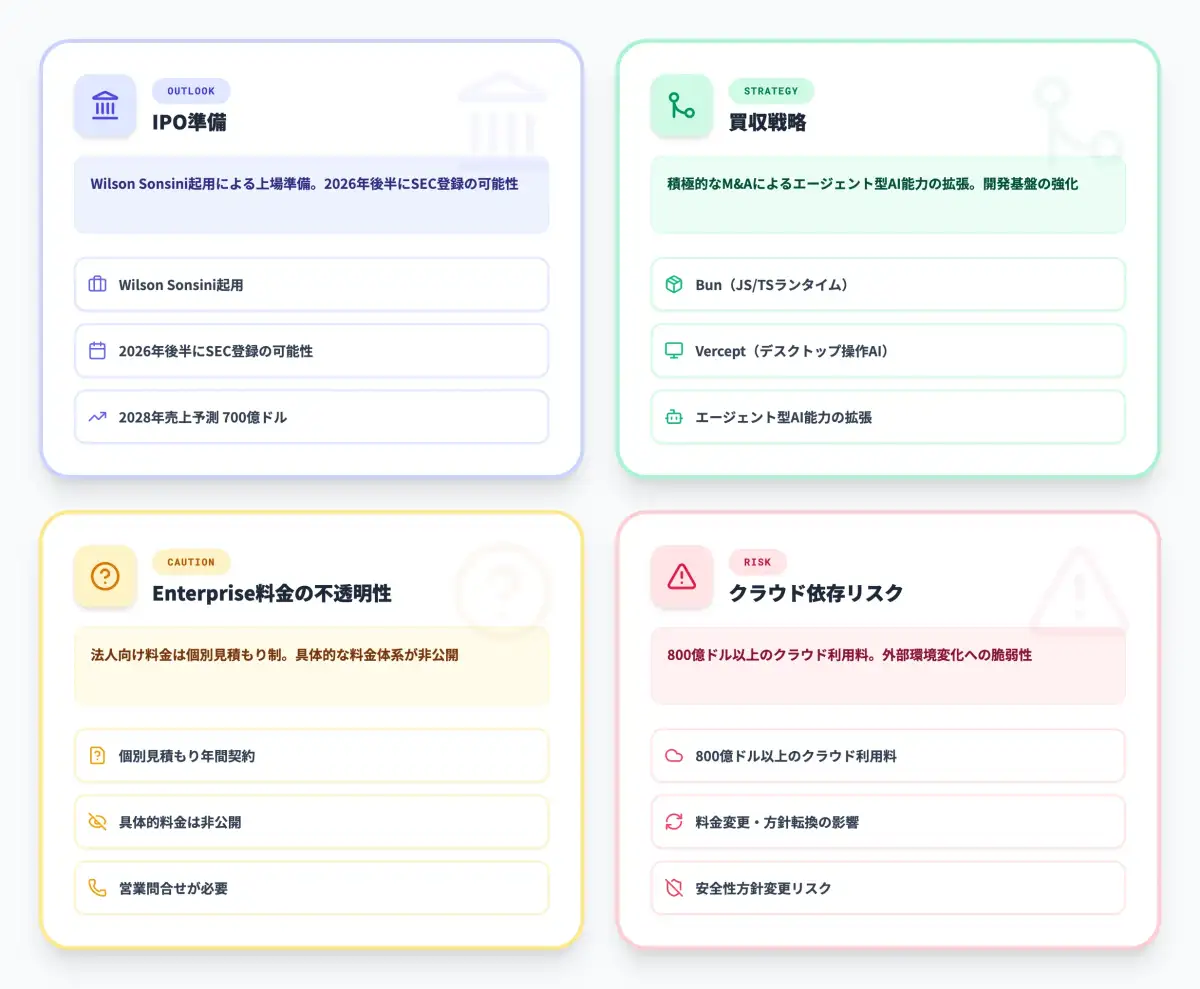
The company's financial standing has been substantially bolstered by recent funding rounds. The Series G funding alone, a massive influx of capital, underscores investor confidence. Beyond this, substantial investment commitments have been announced by tech giants, including Microsoft and NVIDIA, indicating broad industry backing. This financial strength appears to underpin Anthropic's aggressive expansion and partnership strategies.
Read More: Local AI Coding Agent Runs on Cheap Computer Parts
Strategic Partnerships and Market Reach
Anthropic's multi-cloud strategy is a cornerstone of its market penetration. By offering its models on AWS, Google Cloud, and Microsoft Azure, the company aims to lower adoption barriers for enterprise clients who can integrate Claude within their existing cloud infrastructures. The collaboration with AWS includes a significant investment and a primary training partnership, leveraging services like Amazon Bedrock and the Trainium chip. Similarly, agreements with Google Cloud involve substantial TPU utilization, and with Microsoft Azure, a considerable purchase commitment of Azure compute capacity.
Advancements in AI Capabilities
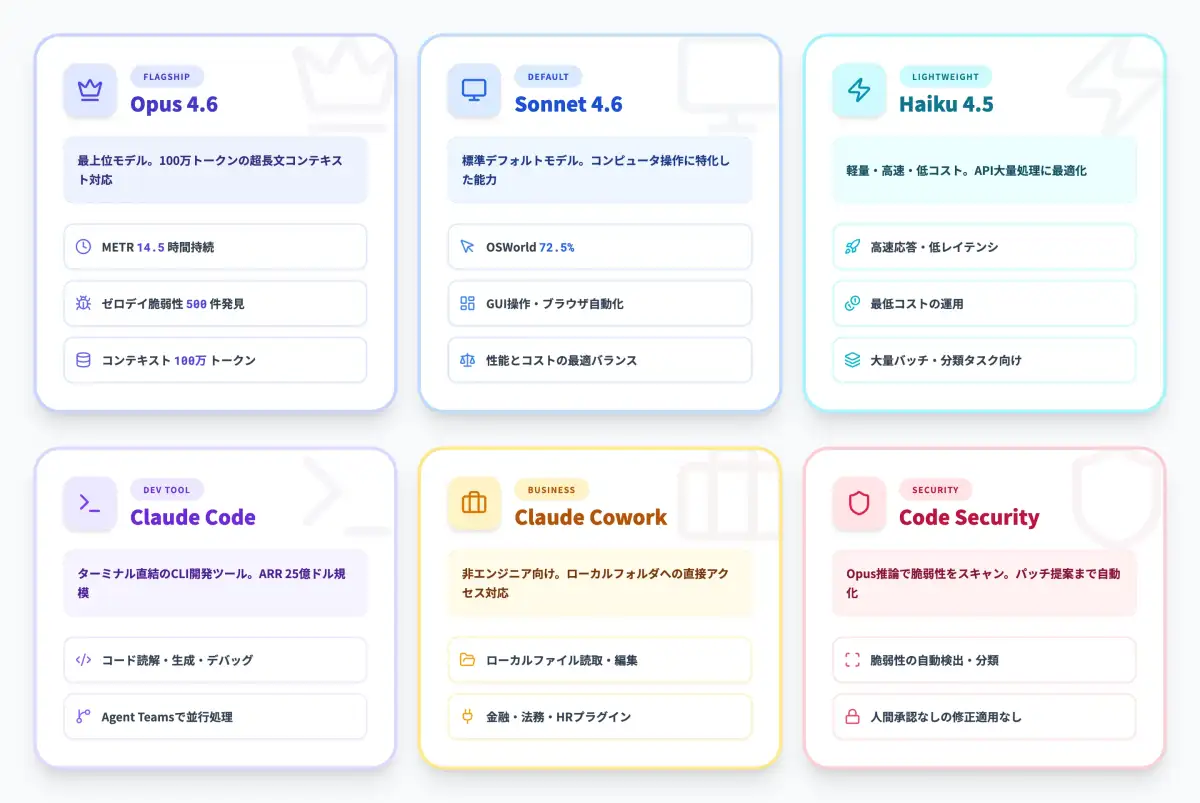
The release of Claude Opus 4.8 builds upon previous iterations. Claude Opus 4.6, mentioned in recent reports, was noted for its extended task persistence and capabilities in coding and security analysis, with a significant context window of 1 million tokens. Claude Sonnet 4.6 is positioned as a balanced standard model for general use, while Claude Haiku 4.5 focuses on speed and cost-efficiency for high-volume API processing. New specialized tools like Claude Code Security highlight a focus on enterprise-grade applications, particularly in identifying and mitigating code vulnerabilities.
Read More: OpenAI Releases GPT-5.5 and New AI Tools for Businesses
Enterprise Focus and Industry Adoption
Anthropic's emphasis on enterprise solutions is evident in its product development and client testimonials. Notable case studies, such as Spotify's reported 90% reduction in code migration time and Novo Nordisk's significant decrease in clinical trial document creation time, showcase the practical impact of Claude in demanding professional environments. The partnership with NEC on April 23, 2026, is particularly noteworthy for its focus on developing industry-specific AI solutions for sectors like finance, manufacturing, and local government in Japan, alongside a large-scale internal deployment of Claude across NEC's workforce to cultivate AI-native talent.
Read More: New AI Protocol Lets Chatbots Use Outside Tools and Data
Commitment to AI Safety and Evolving Policies
Central to Anthropic's identity is its founding mission of developing "safe and beneficial AI." This is underpinned by its proprietary Constitutional AI framework, where AI models self-evaluate and refine their outputs based on a set of pre-defined principles. However, the company has recently faced scrutiny following changes to its Responsible Scaling Policy (RSP v3.0), announced in February 2026. The shift from mandatory training pauses when model capabilities outpaced safety controls to a more collaborative, industry-wide approach, coupled with the establishment of a Frontier Safety Roadmap, has sparked debate about the practical implementation of AI safety commitments.
Background and Founding Principles
Anthropic was founded in 2021 by former executives from OpenAI, including Dario Amodei and Daniela Amodei. The company's inception was driven by concerns regarding the balance between rapid AI advancement and the imperative for robust safety protocols. Their mission to "responsibly develop and maintain advanced AI for the long-term benefit of humanity" remains a core tenet, differentiating them in a competitive landscape. The firm operates as a public benefit corporation, ostensibly aligning its commercial pursuits with broader societal well-being.
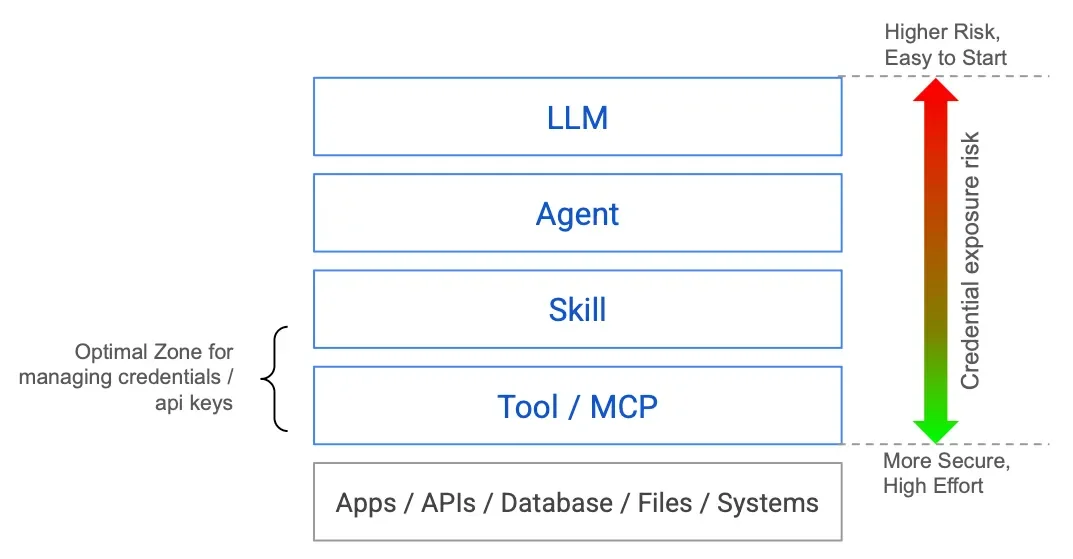
Read More: AI Agents Risk Exposing API Keys, Causing Data Leaks