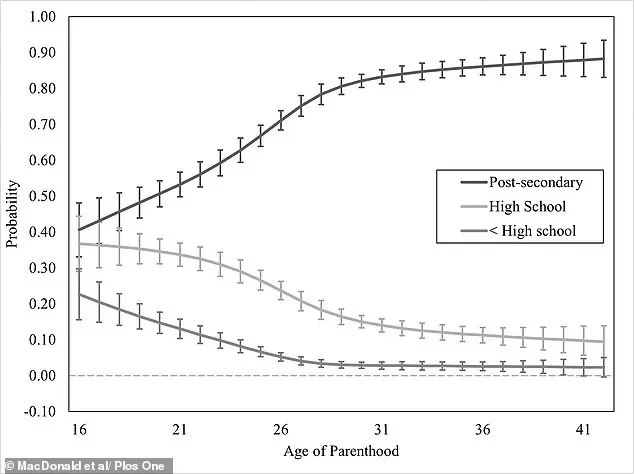
New findings propose age 29 as a statistically optimal point for first-time parenthood, correlating with enhanced financial stability and improved personal health outcomes. The research indicates that individuals delaying childbirth beyond their early twenties tend to amass greater wealth and report better physical and mental well-being.
This period, specifically around 29, emerges as a "sweet spot" where individuals might balance biological considerations with socio-economic readiness, leading to a potentially more secure and healthy start to family life.
Financial Fortunes and Health Dividends
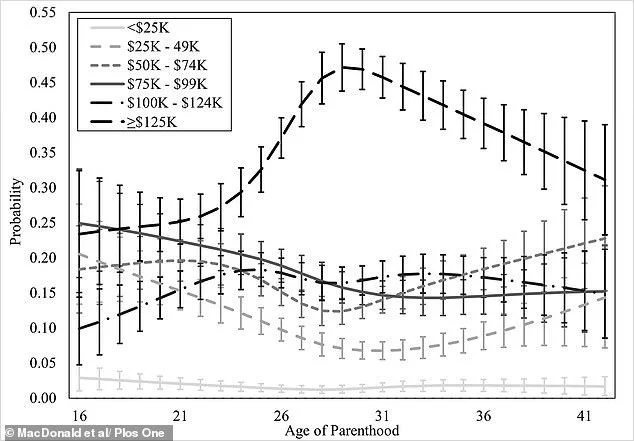
The study highlights a distinct financial disparity: parents who welcome their first child in their early twenties typically earn less over their careers compared to those who wait. This difference is particularly pronounced for women, with those having children before 25 experiencing significant reductions in lifetime earnings, especially if lacking a college degree. Conversely, delaying childbirth to age 37 is associated with a notable increase in accumulated salary.
Read More: Summer reading prep helps kids start school better
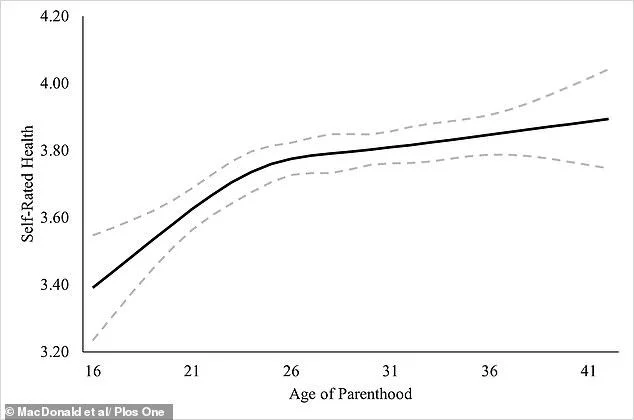
Beyond financial gains, the research points to better health metrics for those who become parents later. Early parenthood, in contrast, is linked to poorer self-reported health, both physically and mentally, and less educational achievement.
Biological Realities and Shifting Timelines
While the aforementioned study focuses on socio-economic factors, other analyses underscore biological timelines. For women, the peak reproductive window is generally considered to be between 19 and 30. Fertility begins a gradual decline after age 32, accelerating notably after 37. A sharper inflection point for women occurs around 35, marked by increased miscarriage risk and a more rapid decrease in egg reserves.
For men, fertility decline is more gradual, becoming more pronounced around age 40. Beyond fertility itself, advanced paternal age is linked to an increased risk of certain conditions in offspring. Similarly, older mothers, while potentially exhibiting greater emotional maturity, face elevated risks concerning pregnancy complications and health burdens.
Read More: India IVF Costs And Social Barriers Limit Access In April 2026

Societal Trends and Individual Readiness
These findings emerge against a backdrop of shifting societal trends, with an increasing number of women delaying childbirth into their late thirties and beyond. While biological clocks are often discussed, experts note that individual circumstances, encompassing financial, emotional, and mental preparedness, play a crucial role in the decision-making process for starting a family.
Keywords: parenthood, financial stability, health outcomes, fertility decline, maternal age, paternal age